

Are your tomato plants constantly under threat from curious deer wandering into your garden? Picture this: you wake up one morning to find your carefully tended tomato plants nibbled on by these unwelcome visitors. Frustrating, isn’t it? You’re not alone in facing this challenge.
In this article, you’ll discover valuable insights into whether tomato plants are truly deer-resistant. You’ll learn practical tips and strategies to protect your beloved tomatoes from becoming a deer’s next meal. Stay tuned to safeguard your garden and enjoy a bountiful harvest without the constant worry of deer damage.
Key Takeaways
- Deer-resistant plants have characteristics like strong scent, bitter taste, or spiky texture that deter deer from feeding on them.
- Factors affecting a plant’s deer resistance include its location, species, and growing conditions.
- Tomato plants are not deer-resistant due to their appealing scent and taste.
- Strategies to protect tomato plants from deer include using physical barriers, natural repellents, and planting companion herbs.
- Alternative deer-resistant plants include hot peppers, onions, basil, rosemary, thyme, lavender, marigolds, yarrow, daffodils, and lambs ear.
Understanding Deer Resistant Plants
Deer-resistant plants are species that deer typically avoid feeding on due to their taste, smell, or texture. Understanding what makes a plant deer resistant can help you choose the right vegetation for your garden that is less likely to attract these animals.
What Makes a Plant Deer Resistant?
Deer resistance in plants can be attributed to various factors such as:
- Scent: Plants with strong fragrances like lavender or herbs such as sage and thyme are often avoided by deer.
- Taste: Bitter-tasting plants like daffodils and foxgloves are less appealing to deer.
- Texture: Plants with fuzzy or spiky leaves like lamb’s ear or yucca can deter deer from grazing on them.
Understanding the characteristics that make certain plants unattractive to deer can guide you in selecting suitable options for your garden.
Factors Influencing Deer Resistance
Several factors influence a plant’s level of deer resistance, including:
- Location: Plants native to regions where deer populations are high have evolved natural defenses against browsing.
- Plant Species: Different plant species have varying levels of compounds that affect their palatability to deer.
- Growing Conditions: The health and vigor of a plant can impact its ability to withstand browsing pressure from wildlife.
Considering these factors when choosing plants for your garden can increase the likelihood of having a thriving landscape while minimizing damage caused by deer.
Are Tomato Plants Deer Resistant?
Tomato plants are not typically deer-resistant due to their appealing scent and taste. Deer find them attractive and may cause damage in gardens where these plants are cultivated.
Recommended Products

Over 100,000 Repeat Customers - For over 20 years Deer Out is the trusted brand for professional gardeners, landscapers and farmers alike. Works Great!

Over 100,000 Repeat Customers - For over 20 years Deer Out is the trusted brand for professional gardeners, landscapers and farmers alike. Works Great!
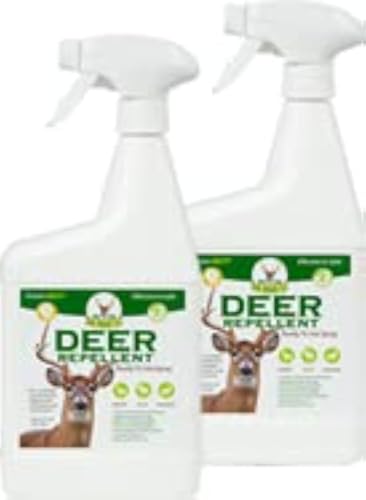
LONG LASTING - Bobbex deer repellent is proven to be the most effective long-lasting spray on the market. once applied, this deer spray will not wash away.
The Attractiveness of Tomato Plants to Deer
Deer are drawn to tomato plants because of their juicy fruits, which emit a strong scent that attracts these animals. Additionally, the tender leaves of tomato plants are a delicacy for deer, making them a preferred target for feeding.
Evidence from Gardening Experiences
Gardeners often report instances where deer have targeted their tomato plants over other vegetation in the garden. These experiences highlight the susceptibility of tomato plants to deer damage and emphasize the need for protective measures to safeguard these vulnerable crops.
Strategies to Protect Tomato Plants from Deer
Deer can be a significant threat to your tomato plants due to their attraction to the juicy fruits and tender leaves. To safeguard your crops, consider implementing the following strategies:
Recommended Products

Package Includes: You will receive 3 pcs deer plant netting covers, the size is 7.8 x 7.8 ft, easy to use, can provide stronger protection for your plants,keeping the cold air out and the plant warm.

【Heavy-Duty Defense】Our plant protectors are crafted from robust, weather-resistant materials, ensuring your plants are shielded from pesky critters and harsh elements. No more worries about rabbits, squirrels, or other garden invaders damaging your precious greens.

Reliable Netting for Garden Protection: Our bird netting for garden is designed to safeguard your plants, fruit trees, and vegetables from birds, deer, squirrels, rabbits, and other animals. This lightweight yet strong garden netting is difficult to tear or damage by squirrels and other small rodents. It is temperature-resistant, cold-resistant, and usable year-round.
Physical Barriers and Fencing
Create physical barriers around your tomato plants by installing sturdy fencing. Fences should be at least 8 feet high to prevent deer from jumping over them. Additionally, you can use chicken wire or mesh netting to enclose the area where your tomatoes are growing effectively.
Natural Repellents and Plant Companions
Utilize natural repellents such as garlic spray, predator urine, or soap bars hung around the garden perimeter to deter deer from approaching your tomato plants. Planting strong-smelling herbs like mint or lavender near your tomatoes can also help mask their scent and make them less appealing to deer.
By incorporating these protective measures into your gardening routine, you can minimize the risk of deer damage to your precious tomato plants.
Alternative Deer Resistant Plants
Looking for alternative plants that deer are less likely to munch on in your garden? Here are some options to consider:
Recommended Vegetables and Herbs
- Peppers: Hot peppers like jalapeños, habaneros, or bell peppers are generally unappealing to deer due to their spicy nature.
- Onions: Both green onions and bulb onions can act as a deterrent for deer with their strong smell.
- Basil: This aromatic herb not only adds flavor to your dishes but also helps repel deer from your garden.
- Rosemary: Known for its robust fragrance, rosemary is a great addition that deer tend to avoid.
- Thyme: Another fragrant herb that can keep deer at bay while enhancing the taste of your meals.
- Lavender: Its beautiful purple blooms emit a scent that repels deer while adding charm to your garden.
- Marigolds: These vibrant flowers not only brighten up your outdoor space but also serve as natural deer repellents.
- Yarrow: With its feathery foliage and clusters of flowers, yarrow is a lovely option that deer typically steer clear of.
- Daffodils: The bright yellow blooms of daffodils are toxic to deer, making them a safe choice for deterring these animals.
- Lambs Ear: The soft texture of lambs ear leaves may deter browsing by deer due to its unusual feel in their mouths.
Conclusion
Protecting your tomato plants from deer damage is crucial as these juicy fruits and tender leaves are irresistible to these creatures. While tomato plants are not deer-resistant, implementing strategies like using fencing, natural repellents, or planting strong-smelling herbs nearby can help deter deer. Consider alternatives like hot peppers, onions, basil, and marigolds for a more deer-resistant garden. By taking proactive measures and being mindful of deer behavior in your area, you can enjoy a thriving garden without the worry of deer munching on your precious tomato plants. Happy gardening!
Frequently Asked Questions
Are tomato plants deer-resistant?
No, tomato plants are not deer-resistant due to their appealing scent and taste, making them susceptible to deer damage.
What attracts deer to tomato plants?
Deer are attracted to tomato plants for their juicy fruits and tender leaves, often targeting them over other vegetation in gardens.
How can I protect my tomato plants from deer?
To protect tomato plants from deer, strategies such as using physical barriers like fencing, natural repellents such as garlic spray or predator urine, and planting strong-smelling herbs like mint or lavender near the tomatoes are recommended.
