

Have you noticed your tomato plants looking a bit under the weather lately? Perhaps the leaves are wilting, or the fruits aren’t thriving as they should. It’s a common concern among gardeners: Are my tomato plants dying?
Picture this: You’ve put time and effort into nurturing your tomato plants, envisioning juicy red tomatoes ready for picking. But now, doubts creep in as you see signs of distress. Don’t worry; we’ve got you covered.
Key Takeaways
- Yellowing leaves on tomato plants can indicate nutrient deficiency, overwatering, or pest infestation.
- Wilting and drooping in tomato plants may result from underwatering, root damage, or diseases like fusarium wilt.
- Proper watering practices are crucial to prevent stress in tomato plants; maintain a consistent schedule and avoid overwatering.
- Pests such as aphids and spider mites can harm tomato plants; use natural remedies like insecticidal soaps to control infestations.
- Fertilize tomato plants with a balanced fertilizer to address nutrient deficiencies and promote healthy growth.
- Seek professional help if issues with your tomato plants persist despite trying various solutions or if you encounter unidentified pests or diseases.
Common Signs Your Tomato Plants Are Dying
If you’re concerned about the health of your tomato plants, here are some common signs that indicate they might be in trouble.
Yellowing Leaves
Yellowing leaves on your tomato plants can be a distressing sight. This discoloration is often a sign of nutrient deficiency, overwatering, or even pests. To address this issue, consider adjusting your watering schedule, ensuring proper fertilization, and inspecting the plants for any signs of pests such as aphids or spider mites.
Wilting and Drooping
When you notice wilting and drooping in your tomato plants, it’s crucial to act promptly. These symptoms can result from underwatering, root damage, or diseases like fusarium wilt. Make sure your plants are receiving adequate water without being overwatered, check for any root issues when transplanting seedlings, and keep an eye out for any signs of fungal infections that may require treatment.
Potential Causes of Distress in Tomato Plants
If you notice your tomato plants showing signs of distress, understanding the potential causes can help you address the issues effectively.
Recommended Products

PEST DEFENSE - Insecticidal Super Soap controls species of adelgid, ant, aphid, borer, caterpillar, spider mite, cricket, chinch bug, weevil, fly, thrip, & more.

CROP, GARDEN & HOUSEPLANT INSECT CONTROL. Trifecta Crop Control all-natural, plant-based formula effectively combats destructive spider mites, aphids, whiteflies, fungus gnats, and other soft-bodied pests on indoor and outdoor plants. Our biodegradable, eco-friendly solution is safe for use on edible crops, without chemical residues. Our gentle yet potent plant spray suffocates and dehydrates pests without harming beneficial insects or the environment, making it ideal for organic gardening.
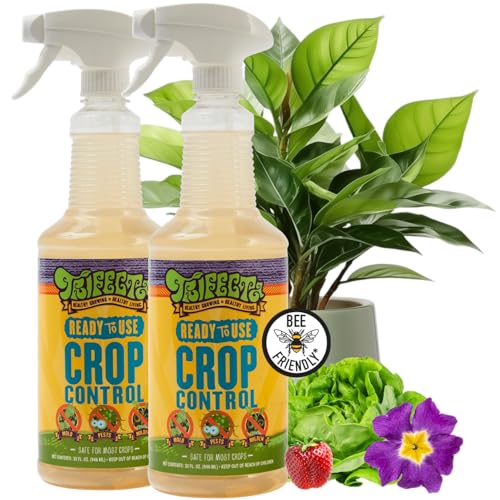
CROP, GARDEN & HOUSEPLANT INSECT CONTROL. Trifecta Crop Control plant based formula targets spider mites, aphids, whiteflies, fungus gnats and other soft bodied pests on indoor and outdoor plants. Safe for edible crops and biodegradable.
Lack of Water or Overwatering
Inconsistent watering practices can lead to stress in tomato plants. When water is insufficient, the leaves may wilt and fruits could be smaller than usual. Conversely, overwatering can cause roots to rot and leaves to turn yellow. Ensure you maintain a consistent watering schedule, allowing the soil to dry slightly between waterings.
Pest Infestations
Pests like aphids, caterpillars, or spider mites can wreak havoc on your tomato plants. Look out for holes in leaves, sticky residue, or visible insects on the plant. Regularly inspect your plants for pests and consider using natural remedies or insecticidal soaps to control infestations.
Nutrient Deficiencies
Tomato plants require essential nutrients like nitrogen, phosphorus, and potassium to thrive. Yellowing leaves with green veins could indicate a nitrogen deficiency, while purple undersides might signal a phosphorus shortage. Consider fertilizing your plants with a balanced fertilizer to ensure they receive all necessary nutrients for healthy growth.
Preventative Measures and Treatments
To ensure the health of your tomato plants, here are some preventative measures and treatments you can implement:
Proper Watering Techniques
Maintaining a consistent watering schedule is crucial for the well-being of your tomato plants. You should water them deeply but infrequently to encourage deep root growth. Overwatering can lead to root rot, while underwatering can result in wilting and stunted growth. Consider using a drip irrigation system or soaker hoses to deliver water directly to the roots without wetting the foliage.
Using Natural Pesticides
Combatting pest infestations naturally is essential for protecting your tomato plants. You can make homemade insecticidal soap by mixing liquid soap with water to deter common pests like aphids and mites. Additionally, planting companion herbs such as basil or marigolds can help repel harmful insects. Regularly inspect your plants for signs of pests and intervene promptly with natural solutions.
Soil Health Improvement
Ensuring the fertility of your soil is key to promoting robust tomato plant growth. Conduct a soil test to determine any nutrient deficiencies and amend the soil accordingly with organic fertilizers rich in nitrogen, phosphorus, and potassium. Mulching around the base of the plants helps retain moisture, regulate soil temperature, and prevent weed growth. Rotate your crops annually to prevent nutrient depletion in the soil.
By following these preventative measures and treatments diligently, you can safeguard your tomato plants against common issues and promote their overall health and productivity.
When to Seek Professional Help
If you’ve tried various solutions and your tomato plants still show signs of distress, it might be time to consider seeking professional help. Professional assistance can provide specialized knowledge and tools to diagnose and address complex issues that may be affecting your plants. Here are indicators that suggest it’s time to consult a gardening expert:
- Persistent Problems: When despite your best efforts, such as adjusting watering habits or using recommended treatments, the issues persist or worsen.
- Unidentified Pests or Diseases: If you notice unusual symptoms on your tomato plants but can’t identify the specific pest or disease responsible for the damage.
- Stunted Growth or Declining Health: In cases where your tomato plants exhibit stunted growth, yellowing leaves, or other signs of declining health over an extended period.
- Specialized Care Requirements: When you encounter problems that require specialized care beyond basic gardening practices.
- Limited Success with Treatments: If treatments you’ve applied based on general recommendations haven’t yielded positive results.
When faced with these scenarios, consulting a professional gardener or agricultural extension service can help you accurately diagnose the issue and implement effective solutions tailored to your specific situation. Remember that timely intervention can make a significant difference in restoring the health of your tomato plants and ensuring a bountiful harvest.
Conclusion
Your tomato plants’ health is crucial for a fruitful harvest. By identifying and addressing potential issues early on, you can prevent further distress and promote plant recovery. Remember to monitor watering practices, inspect for pests regularly, and provide necessary nutrients through fertilization. If problems persist or if you encounter unfamiliar symptoms, seeking professional advice is key to ensuring your tomato plants thrive. With proper care and attention, you can overcome challenges and enjoy a bountiful yield from your garden.
Frequently Asked Questions
What are common issues that can affect tomato plants?
Tomato plants can suffer from wilting leaves, underdeveloped fruits, and yellowing leaves due to factors like nutrient deficiency, overwatering, pests, underwatering, root damage, and diseases such as fusarium wilt.
How can I address problems with my tomato plants?
To address tomato plant issues, ensure consistent watering to prevent drought stress or overwatering. Regularly inspect for pests like aphids or caterpillars and apply appropriate control methods. Feed your plants with balanced fertilizer to prevent nutrient deficiencies.
When should I seek professional help for my tomato plants?
Consider seeking professional help if you encounter persistent problems, unidentified pests or diseases, stunted growth despite care efforts, specific care requirements beyond your expertise, or limited success with home treatments. Professional gardeners or agricultural services can provide accurate diagnosis and tailored solutions for healthy tomato plants and a successful harvest.
