

Ever wondered how to grow your own delicious broccoli rabe right in your backyard? Picture this: you’re craving a fresh, homegrown veggie to add to your meals, but you’re not sure where to start. Well, you’re in luck! In this article, you’ll discover the simple steps to plant broccoli rabe and enjoy the satisfaction of harvesting your own produce.
Imagine the joy of stepping outside and picking your very own broccoli rabe, knowing exactly where it came from and how it was grown. With our easy-to-follow guide, you’ll learn the essential techniques to nurture your broccoli rabe from seed to table. Get ready to elevate your cooking with this flavorful and nutritious green, all thanks to your green thumb!
Selecting the Right Location
Deciding where to plant your broccoli rabe is crucial for its growth and productivity. Here’s how to choose the ideal spot:
- Sunlight: Pick a location with at least 6-8 hours of direct sunlight daily.
- Soil Quality: Ensure the soil is well-draining, fertile, and slightly acidic.
- Spacing: Allow ample space between plants for proper air circulation and growth.
Remember, the right location sets the foundation for a successful broccoli rabe harvest.
Preparing the Soil
When it comes to planting broccoli rabe, preparing the soil is a crucial step that can impact the success of your harvest. Here are some essential tips to ensure your soil is ready for planting:
- Test Your Soil: Before planting, it’s a good idea to test your soil to determine its pH level and nutrient content. You can easily do this with a home soil test kit or by sending a sample to a local extension service.
- Add Organic Matter: Organic matter, such as compost or well-rotted manure, can help improve soil structure and fertility. Work in a generous amount of organic matter to provide the nutrients that broccoli rabe plants need to thrive.
- Loosen the Soil: Broccoli rabe plants have shallow roots, so it’s important to ensure that the soil is loose and well-drained. Use a garden fork or tiller to break up compacted soil and create a friable texture that allows roots to grow easily.
- Ensure Proper Drainage: Poor drainage can lead to waterlogged soil, which can be detrimental to broccoli rabe plants. If your soil has drainage issues, consider planting in raised beds or adding amendments to improve drainage.
By following these soil preparation tips, you can create an ideal growing environment for your broccoli rabe plants.
Recommended Products
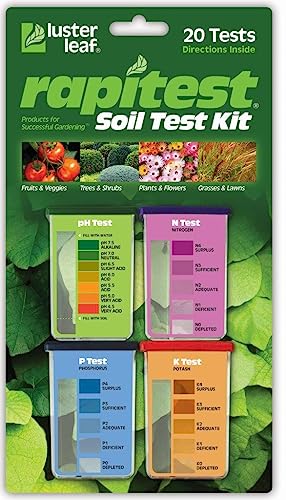
Quick, at home results for Soil pH, Nitrogen, Phosphorous and Potash Innovative and inexpensive soil test kit features an easy-to-use capsule system and patented color comparators

KNOW BEFORE YOU GROW | Grow the healthiest, sustainable lawn and garden with the most accurate and easy to use professional soil test kit on the market

Accurate Soil pH Testing: Dewildetradingco Soil pH Test Strips offer measurements of soil pH levels (pH 3.5-9). As an essential tool for every gardener and grower, these test strips help determine the optimal pH for various plants, such as outdoor plants, indoor plants, gardens, grass lawns, fruit trees, flowers, vegetables, and forest shrubs.
Planting the Seeds
When planting broccoli rabe, start by sowing seeds directly into well-prepared soil. Here’s how you can ensure a successful start:
Prepare the Soil:
- Test the soil for pH levels around 6.0-7.0.
- Amend the soil with organic matter, such as compost, to boost nutrient levels.
- Ensure adequate drainage to prevent waterlogging.
- Loosen the soil to a depth of 6-8 inches to accommodate the plant’s roots.
Sowing the Seeds:
- Plant the seeds about 1/4 to 1/2 inch deep in rows spaced about 12-18 inches apart.
- Cover the seeds lightly with soil and pat it down gently.
- Keep the soil consistently moist but not waterlogged.
Optimal Growing Conditions:
- Broccoli rabe thrives in cool weather, ideally between 50-70°F.
- Ensure the plants receive 6-8 hours of sunlight daily.
- Regularly water the plants, providing about 1-1.5 inches of water per week.
- Thin out seedlings to 6-12 inches apart once they have grown a few inches.
- Mulch around the plants to retain moisture and suppress weed growth.
- Watch out for pests like aphids and cabbage worms; consider using organic pest control methods if needed.
Watering and Care
To ensure healthy growth and a bountiful harvest, watering and care are crucial aspects of cultivating broccoli rabe in your garden. Here are some essential tips to help you provide the best care for your plants:
Watering:
- Keep the soil consistently moist but not waterlogged.
- Water deeply to encourage strong root development.
- Avoid overhead watering to prevent fungal diseases.
Mulching:
- Apply a layer of mulch around the plants to retain moisture, regulate soil temperature, and suppress weeds.
Fertilizing:
- Add compost or a balanced fertilizer during the growing season to provide essential nutrients for healthy growth.
Pest Control:
- Monitor your plants regularly for signs of pests like aphids or caterpillars.
- Remove any pests by hand or use organic pest control methods to protect your crop.
Harvesting:
- Harvest the outer leaves of the plant when they reach a desirable size.
- Regular harvesting promotes continuous growth and ensures a longer harvest season.
Companion Planting:
- Consider planting broccoli rabe alongside companion plants like tomatoes or herbs to improve overall plant health.
- Periodically test the soil to ensure it has the right pH level and nutrient balance for optimal plant growth.
| Key Points | Data/Statistics |
|---|---|
| Watering Frequency | 1-1.5 inches per week |
| Optimal pH Level | 6.0-7.0 |
| Fertilizing Schedule | Every 3-4 weeks |
Harvesting Your Broccoli Rabe
When it comes to Harvesting Your Broccoli Rabe, there are a few key points to keep in mind to ensure a bountiful yield.
- Harvesting Technique: Cut the outer leaves first to encourage continuous growth while leaving the inner leaves intact for further development.
- Timing: Harvest your broccoli rabe when the leaves are dark green and tender, typically around 50-60 days after planting.
- Frequency: Regularly harvest the outer leaves every 1-2 weeks to promote new growth and avoid the plant becoming woody.
- Avoid Flowering: Harvest before the plant starts flowering to maintain the best flavor and texture.
- Tools: Use sharp, clean scissors or garden shears to cut the leaves off the plant without damaging the remaining foliage.
Enjoy the fruits of your labor as you gather fresh, vibrant broccoli rabe from your garden throughout the growing season.
Conclusion
You’re now equipped with the knowledge to successfully plant and harvest broccoli rabe in your own garden. Remember to cut the outer leaves first for continued growth and wait for the leaves to turn dark green and tender before harvesting. By harvesting regularly and using the right tools, you’ll ensure the best flavor and texture in your broccoli rabe. Enjoy the process and savor the delicious rewards of your homegrown produce throughout the growing season. Happy planting!
Frequently Asked Questions
How should I harvest broccoli rabe?
Broccoli rabe should be harvested by cutting the outer leaves first, allowing the inner leaves to continue growing. Harvest when the leaves are dark green and tender, around 50-60 days post-planting. Regular harvesting every 1-2 weeks stimulates new growth and prevents the plant from becoming woody. It’s essential to harvest before flowering to maintain the best flavor and texture. Always use sharp, clean scissors or garden shears to avoid damaging the plant. Harvest throughout the growing season to enjoy fresh broccoli rabe.
How often should I harvest broccoli rabe?
Harvest broccoli rabe every 1-2 weeks to encourage new growth and prevent the plant from becoming tough or woody. Regular harvesting also promotes continuous production throughout the growing season. Remember to cut the outer leaves first and leave the inner leaves to develop further. Harvesting before flowering ensures the best flavor and texture of the broccoli rabe. Use sharp, clean scissors or garden shears for a clean cut without damaging the plant. Enjoy the rewards of regular harvesting by having a fresh supply of broccoli rabe.
