

Have you ever wondered why your tomato plant’s lush green leaves are suddenly starting to turn brown? It can be quite alarming to see this change in your beloved plants, but fret not, as we’re here to shed some light on the possible reasons behind this issue.
Imagine eagerly nurturing your tomato plants, only to notice their once vibrant leaves fading into a concerning shade of brown. This common problem can leave any gardener feeling puzzled and seeking answers.
In this article, we’ll explore the various factors that could be causing your tomato plant’s leaves to turn brown. By understanding these potential causes, you’ll be equipped with the knowledge needed to address the issue effectively and ensure your tomato plants thrive beautifully.
Key Takeaways
- Proper watering is crucial to prevent brown leaves on tomato plants; ensure consistent watering especially during hot weather.
- Nutrient deficiencies like lack of nitrogen, potassium, or magnesium can lead to brown spots on tomato plant leaves; use balanced fertilizers for healthy growth.
- Pests and diseases such as aphids or fungal infections can cause browning of leaves; inspect plants regularly and apply appropriate treatments.
- Environmental factors like sunlight exposure and temperature fluctuations play a significant role in leaf discoloration; provide adequate sun exposure and protect from extreme temperatures.
- Implement preventive measures such as proper watering techniques (water at the base, mulch application) and pest control strategies (neem oil spray, companion planting) to maintain the health of tomato plants.
Common Causes of Brown Leaves on Tomato Plants
If you notice your tomato plant leaves turning brown, it’s essential to identify the underlying causes promptly. Here are some common reasons why this may be happening:
Recommended Products
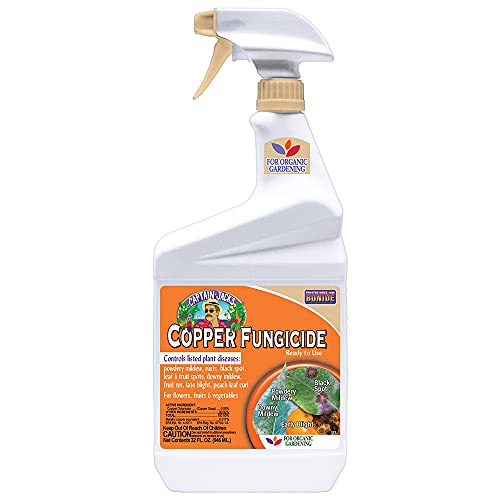
Control fungus and disease in your garden with Captain Jack’s ready-to-use Liquid Copper Fungicide!

Control fungus and disease in your garden with Captain Jack’s Liquid Copper Fungicide Concentrate!

3-in-1 FORMULA: Aphid spray for outdoor plants for use on roses, flowers, shrubs and trees to control listed insects, disease and mites
Lack of Water
Insufficient watering can lead to browning of tomato plant leaves. When your plants don’t receive an adequate amount of water, they can become stressed, causing their leaves to turn brown and dry out. To prevent this issue, make sure you water your tomato plants consistently, especially during hot weather or when the soil feels dry to the touch.
Nutrient Deficiencies
Nutrient deficiencies, such as a lack of essential minerals like nitrogen, potassium, or magnesium, can also cause brown spots on tomato plant leaves. These deficiencies affect the overall health of the plant and manifest as discoloration in the foliage. Consider using a balanced fertilizer specifically formulated for tomatoes to ensure they receive all the necessary nutrients for healthy growth.
Pests and Diseases
Pests like aphids, spider mites, or fungal diseases such as early blight can result in browning of tomato plant leaves. These harmful invaders feed on the plant’s tissues or spread infections that cause discoloration and damage. Inspect your plants regularly for any signs of pests or diseases and take appropriate measures like applying insecticidal soap or fungicides to control infestations and protect your tomato plants from further harm.
By addressing these common causes promptly and taking preventive measures such as proper watering practices, nutrient management, and pest control, you can help keep your tomato plants healthy and vibrant with lush green leaves.
Environmental Factors Contributing to the Issue
When it comes to why your tomato plant leaves are turning brown, environmental factors play a significant role. Here’s how sunlight exposure and temperature fluctuations can impact the health of your plants:
Recommended Products

Great Helper for Gardening: This YDSL plant covers freeze protection is ideal for gardening enthusiasts and gardeners to protect plants and vegetables, so that your favourite plants can grow as safely as possible in an environment that is more suited to their needs. Garden bed cover is not only suitable for professional growers, but also for beginners in transplanting techniques, with which planting can be done with ease.

Breathable, Sun-Friendly & Rain-Permeable Mesh: The mesh net allows sunlight, air circulation, and rainwater to pass through naturally, ensuring plants receive the essential elements needed for healthy growth. The breathable design helps reduce humidity buildup inside the cover, helping plants grow better.Plants can photosynthesize efficiently, flowers can bloom normally, and fruits can develop evenly.

TALLER METAL PLANT PROTECTORS: At 16.7 inches high, our plant cages tower over typical 12-inch protectors, sheltering larger plants with ease. Perfect for raised beds and gardens, they shield veggies like lettuce, cabbage, tomatoes, potatoes, and strawberries, plus saplings, roses, lilies, shrubs, and sunflowers. An ideal gift for gardeners and plant lovers!
Sunlight Exposure
Excessive or inadequate sunlight can both lead to browning of tomato plant leaves. While tomatoes need ample sunlight for photosynthesis, too much direct sun can scorch the leaves, causing them to turn brown and dry out. On the other hand, insufficient sunlight may hinder proper growth and nutrient absorption, also resulting in leaf discoloration.
To address this issue, ensure your tomato plants receive around 6-8 hours of sunlight daily. Consider providing shade during peak sun hours if they are getting too much direct light. Conversely, if they’re not receiving enough sun, try moving them to a sunnier spot in your garden.
Temperature Fluctuations
Fluctuating temperatures can stress tomato plants, leading to brown leaves. Sudden drops in temperature, especially at night, can shock the plants and cause leaf damage. Extreme heat can also affect their metabolic processes and result in browning foliage.
To mitigate temperature-related issues, consider using row covers or cloches to protect your plants from sudden temperature changes. Additionally, water your tomatoes consistently to help regulate soil temperature and provide some insulation against extreme weather conditions.
By paying attention to these environmental factors like sunlight exposure and temperature fluctuations, you can help prevent brown leaves on your tomato plants and promote healthier growth overall.
Preventive Measures and Solutions
When it comes to maintaining the health of your tomato plants and preventing their leaves from turning brown, there are several key strategies you can implement. Here are some practical tips to help you address these issues effectively.
Proper Watering Techniques
To ensure your tomato plants stay healthy and vibrant, it’s essential to follow proper watering techniques. Overwatering or underwatering can both lead to leaf discoloration. Here’s what you should do:
- Water Consistently: Aim for a regular watering schedule rather than sporadic watering sessions.
- Check Soil Moisture: Before watering, assess the soil moisture by sticking your finger into the soil about an inch deep.
- Water at the Base: Direct water at the base of the plant to prevent splashing on leaves which can lead to fungal diseases.
- Mulch Application: Mulching around tomato plants helps retain moisture in the soil and reduces water evaporation.
By following these watering practices, you can help maintain proper hydration levels for your tomato plants, reducing the risk of brown leaves due to water-related issues.
Pest Control Strategies
Pests can also contribute to leaf browning in tomato plants. Implementing effective pest control strategies is crucial in keeping your plants healthy. Here’s what you can do:
- Regular Inspections: Check your tomato plants regularly for any signs of pests such as aphids, whiteflies, or caterpillars.
- Natural Predators: Encourage beneficial insects like ladybugs or lacewings that feed on harmful pests.
- Neem Oil Spray: Use neem oil as a natural insecticide to deter common garden pests without harming beneficial insects.
- Companion Planting: Planting marigolds or basil near tomatoes can help repel certain pests.
By being proactive in monitoring and controlling pests on your tomato plants, you can minimize damage to the leaves and promote overall plant health effectively.
Conclusion
You now have a better understanding of why your tomato plant leaves may be turning brown. Remember, factors like water deficiency, nutrient imbalances, pests, diseases, sunlight exposure, and temperature fluctuations can contribute to this issue. By implementing proper watering techniques, balanced fertilization, and effective pest control measures, you can help maintain the health of your tomato plants. Be proactive in identifying problems early on and take steps to prevent leaf browning. With consistent care and attention to detail, you’ll enjoy healthy tomato plants with vibrant green leaves. Happy gardening!
Frequently Asked Questions
Why are my tomato plant leaves turning brown?
Tomato plant leaves can turn brown due to water deficiency, nutrient imbalances, pests, diseases, sunlight exposure, or temperature fluctuations. Prompt identification and solutions like proper watering, balanced fertilization, and pest control are crucial.
How can I prevent tomato plant leaf browning?
To prevent tomato plant leaf browning, ensure proper watering by consistently checking soil moisture and watering at the base. Implement balanced fertilization practices and maintain a close eye on pest infestations. Utilize mulch to regulate soil moisture levels.
What pest control strategies can I use for tomato plants?
For effective pest control on tomato plants, conduct regular inspections to detect issues early. Attract beneficial insects like ladybugs and lacewings. Use neem oil spray as a natural remedy against common pests. Consider companion planting with marigolds or basil for added protection.
How important is sunlight exposure for tomato plants?
Sunlight exposure is vital for healthy tomato plants as they require at least 6-8 hours of direct sunlight daily for optimal growth and fruit production. Monitor your plant’s location to ensure it receives adequate sunlight throughout the day.
What should I do if I notice signs of disease on my tomato plants?
If you observe signs of disease on your tomato plants such as wilting or discoloration, promptly isolate the affected plants to prevent further spread. Consult local gardening resources or experts to identify the specific disease and appropriate treatment options.
