

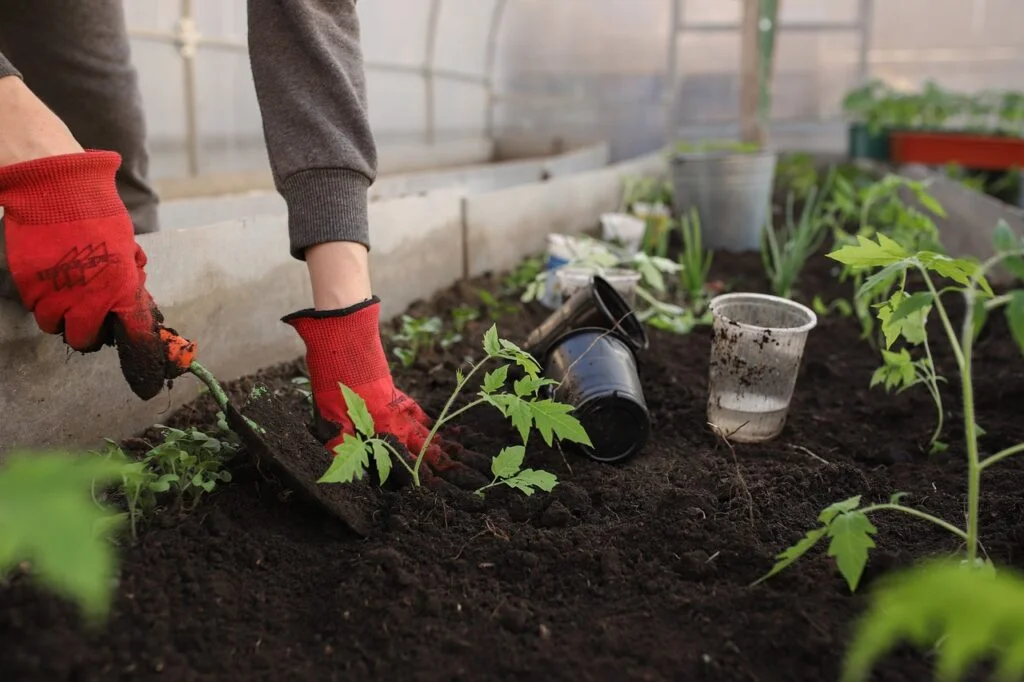
Ever wondered if there are vegetables that can thrive without direct sunlight? Picture this: you’re eager to grow your own produce, but your garden only gets limited sunlight. What vegetables can you cultivate in such conditions? This article is here to guide you through the world of veggies that don’t require abundant sunshine to flourish.
In this piece, you’ll discover a variety of vegetables that are perfectly suited for shady spots in your garden. By learning about these sun-shy veggies, you’ll be equipped to make the most of your gardening space, no matter how much sunlight it receives. Get ready to explore a whole new realm of vegetable gardening possibilities that don’t hinge on ample sunlight.
Key Takeaways
- Shade-tolerant vegetables can thrive in limited sunlight by efficiently using available light energy.
- Growing vegetables in shaded areas maximizes garden space, protects plants from sun damage, and extends the growing season.
- Leafy greens like spinach, kale, and lettuce, root vegetables such as radishes and carrots, and cruciferous vegetables like broccoli and cauliflower are ideal for cultivation in partial shade.
- Soil preparation, fertility, proper watering, mulching techniques, pest management, and maximizing light exposure are essential for successful growth of shade-loving vegetables.
Understanding Shade-Tolerant Vegetables
What Does ‘Shade-Tolerant’ Really Mean?
Shade-tolerant vegetables are plants that can thrive and produce satisfactory yields even when exposed to limited sunlight. These veggies have adapted to grow under shady conditions, making them suitable for locations with less direct sunlight. Understanding the term “shade-tolerant” is essential for selecting the right vegetables for your garden based on the available light conditions.
When choosing shade-tolerant vegetables, look for varieties that have developed mechanisms to efficiently use the available light energy more effectively. Opt for plants that have larger leaves to capture as much light as possible or those that can photosynthesize efficiently even in low-light environments. Examples of shade-tolerant vegetables include leafy greens like spinach, lettuce, and kale, which can still grow well in partially shaded areas.
Benefits of Growing Vegetables in Shade
Growing vegetables in shaded areas offers several benefits for home gardeners. One advantage is the ability to maximize garden space by utilizing areas that receive minimal sunlight. This allows you to diversify your garden and grow a wider variety of crops, even in spaces traditionally deemed unsuitable for vegetable cultivation.
Furthermore, cultivating shade-tolerant vegetables can help protect delicate plants from the harsh midday sun, reducing the risk of sun damage or heat stress. By strategically planting shade-loving veggies, you can create microclimates within your garden, providing a more hospitable environment for sensitive crops.
Additionally, growing vegetables in shaded areas can extend the growing season, especially in regions with hot climates where excessive sun exposure can be detrimental to certain plants. By leveraging shade-tolerant varieties, you can continue gardening throughout the summer months without compromising the quality of your produce.
The Best Vegetables to Grow Without Full Sun
Recommended Products

USDA Certified Organic by Oregon Tilth
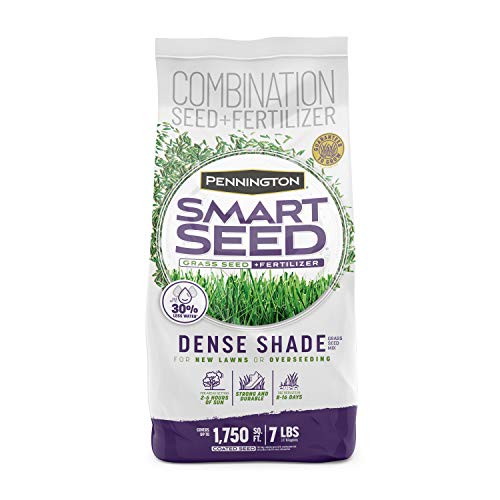
This shade grass seed is the perfect mix of Perennial Ryegrass, Kentucky Bluegrass, and Tall Fescue grass seed to thrive in shady conditions

5 NON-GMO LEAFY GREENS VARIETY PACK – Includes Viroflay spinach (Spinacia oleracea), arugula (Eruca sativa), Lacinato kale (Brassica oleracea), Salad Bowl lettuce (Lactuca sativa) & rainbow Swiss chard (Beta vulgaris) seeds for planting in your vegetable garden
Leafy Greens: Spinach, Kale, and Lettuce
Leafy greens like spinach, kale, and lettuce are excellent choices for growing in shaded areas. These vegetables thrive in partial shade conditions and can still produce bountiful harvests without full sun exposure. Spinach, kale, and lettuce are rich in nutrients, easy to grow, and require minimal maintenance, making them ideal for beginners and experienced gardeners alike.
Root Vegetables: Radishes, Beets, and Carrots
Root vegetables such as radishes, beets, and carrots are well-suited for cultivation in areas with limited sunlight. These crops prefer cooler temperatures and can develop tasty roots even in shady spots. Radishes, beets, and carrots are packed with vitamins and minerals, offering a nutritious addition to your homegrown produce. By planting these root vegetables, you can enjoy a continuous supply of fresh and flavorful harvests.
Cruciferous Vegetables: Broccoli and Cauliflower
Cruciferous vegetables like broccoli and cauliflower can thrive in partial shade, making them great options for shaded garden areas. These vegetables are known for their unique flavors and high nutritional value. By growing broccoli and cauliflower in areas with limited sunlight, you can enjoy a variety of delicious dishes while reaping the health benefits of these nutrient-rich crops. Experiment with different varieties of broccoli and cauliflower to diversify your harvest and enjoy a vibrant home garden throughout the growing season.
Tips for Growing Shade-Loving Vegetables
Recommended Products

Feed the soil not the plants - stimulate microbial activity in your soil and boost probability of success with all types of plants… like composting but faster
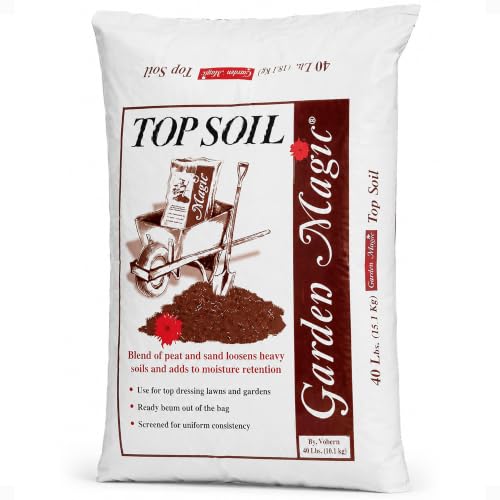
Ready-to-Use for All Planting Needs: This general-purpose potting soil is ready to use out of the bag, perfect for both indoor and outdoor planting without any extra prep

Ready-to-Use Formula: No mixing or extra steps required. Simply pour and plant - perfect for gardeners of all experience levels.
Soil Preparation and Fertility
To ensure the healthy growth of your shade-loving vegetables, focus on soil preparation and fertility. Opt for a well-draining soil rich in organic matter. You can enrich the soil by adding compost or aged manure before planting your vegetables. This will provide essential nutrients and support root development in the shaded environment.
When selecting fertilizer, choose a balanced option with equal parts of nitrogen, phosphorus, and potassium. This will help maintain soil fertility and promote robust plant growth even in lower light conditions. Additionally, consider conducting a soil test to determine any specific nutrient deficiencies that need addressing to optimize plant health.
Watering and Mulching Techniques
Proper watering and mulching are crucial for the success of your shade-loving vegetables. When watering, ensure to provide consistent moisture levels, as shaded areas may retain more dampness. Avoid overwatering, as this can lead to root rot, especially in plants that receive limited sunlight. A good practice is to water deeply but infrequently to encourage deep root growth and prevent waterlogging.
Mulching is also beneficial in shaded areas as it helps retain soil moisture and regulate soil temperature. Use organic mulches like straw, shredded leaves, or grass clippings to insulate the soil and suppress weed growth. Mulching not only conserves water but also adds nutrients to the soil as it breaks down over time, enhancing the overall health of your shade-loving vegetables.
By focusing on soil preparation, fertility, watering, and mulching techniques, you can ensure that your shade-loving vegetables thrive in their shaded environment, allowing you to enjoy a bountiful harvest of fresh produce throughout the growing season.
Common Challenges and Solutions
Recommended Products
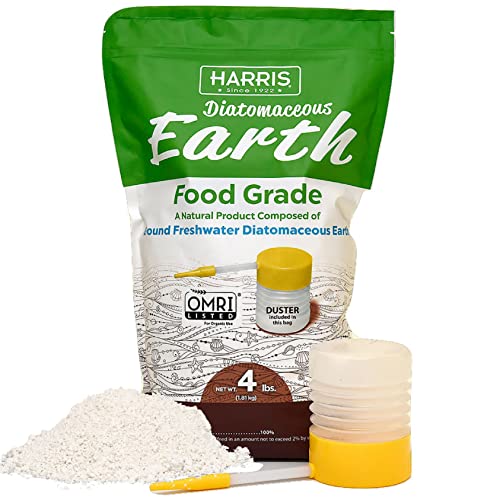
Natural Product - Composed of 4lbs of 100% ground freshwater diatomaceous earth with absolutely no additives or fillers.

FOR ORGANIC GARDENING: Diatomaceous earth-based formula is good for organic gardening

100% Chemical-Free: Made from 8oz of food-grade freshwater diatomaceous earth with no additives or fillers. Safe for use around children, pets and farm animals when used as directed.
Pest Management in Shaded Areas
Pests can still be a concern when growing shade-tolerant vegetables. Common garden pests such as aphids, slugs, and caterpillars may thrive in shaded environments. To manage these pests effectively, encourage natural predators like ladybugs and lacewings that feed on aphids. Additionally, you can handpick larger pests like caterpillars or use organic remedies such as neem oil to deter them. Applying a barrier of diatomaceous earth around your vegetable patch can help control slugs in shaded areas.
Maximizing Light Exposure for Healthy Growth
While shade-tolerant vegetables can thrive in low-light conditions, maximizing light exposure remains crucial for healthy growth. Consider trimming nearby trees or bushes to allow more light to reach your vegetable garden. Opt for reflective mulches to redirect sunlight towards the plants. You can also strategically position reflective surfaces like mirrors to bounce additional light onto your vegetables. By enhancing light availability, you ensure that your shade-loving vegetables reach their full growth potential.
Conclusion
Growing shade-tolerant vegetables opens up new possibilities for your garden. By choosing plants like spinach, kale, lettuce, radishes, carrots, broccoli, and cauliflower that thrive in shaded areas, you can make the most of your garden space and enjoy a longer growing season. Remember, proper soil preparation, watering, and mulching are key to supporting the healthy growth of these vegetables. When dealing with pests, consider natural predators and organic solutions. Enhancing light exposure through simple techniques like trimming trees and using reflective surfaces can significantly benefit the growth of your shade-loving veggies. With these tips in mind, you can create a thriving garden even in areas with limited sunlight. Happy gardening!
Frequently Asked Questions
Can I grow vegetables in shaded areas?
Yes, you can grow shade-tolerant vegetables like spinach, kale, lettuce, radishes, carrots, broccoli, and cauliflower in shaded areas to optimize garden space.
What are some tips for growing vegetables in shaded areas?
Prepare soil well, ensure fertility, water adequately, and mulch to support healthy growth of shade-tolerant vegetables like spinach and kale.
How can I manage pests in shaded vegetable gardens?
Use natural predators and organic remedies like neem oil to manage pests in shaded vegetable gardens effectively.
Why is maximizing light exposure important for shade-loving vegetables?
Maximizing light exposure is crucial for healthy growth. Consider trimming trees, using reflective mulches, or positioning reflective surfaces to enhance light availability.
