

Creating a vertical garden using grow bags is a practical solution for maximizing space and enhancing aesthetics. This method allows you to cultivate a variety of plants in limited areas, making it ideal for urban settings or small yards.
Essential Materials for Vertical Gardening
Creating a vertical garden with grow bags requires specific materials to ensure success and sustainability. This section outlines the essential items you’ll need, from the right type of grow bags to support structures and soil mixes, enabling you to cultivate a thriving vertical garden in any space.
Before starting your vertical garden project, gather all necessary materials. Having everything on hand will streamline the process and ensure you don’t miss any crucial steps.
Grow bags in various sizes
Potting soil or container mix
Support structure such as trellises or wall-mounted racks
Plants suited for vertical gardening, like herbs, strawberries, or climbing vegetables
Watering can or drip irrigation system
Fertilizer for container plants
| Item | Purpose |
|---|---|
| Grow bags | Planting medium |
| Potting soil | Nutrient supply |
| Support structure | Plant support |
| Plants | Variety for garden |
| Watering can | Watering needs |
| Fertilizer | Nutrient enhancement |
Recommended Products
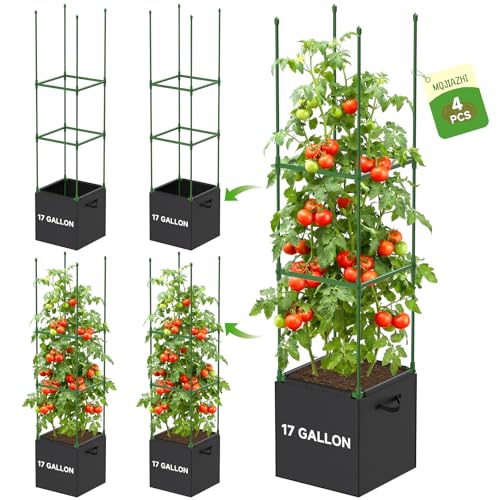
Upgraded 2-in-1 Tomato Growing Kit Includes 55 INCH TALL Square Trellis Supports Square Grow Bags (Actual Size: 12×12 Inches Per Bag). The thickened planting bag holds soil firmly to avoid erosion; the tall square trellis guides tomato vines to grow vertically, keeps fruits off damp soil for cleaner harvests and higher yields.

Tomato Cages for Garden: New upgraded tomato cage specification strikes a balance between structural stability and sufficient planting space, meeting diverse gardening needs. You will receive a rectangular tomato trellis set, the size is 51x17x49 inch, 46 gallon tomato grow bag, the size is 51x18x12 inch, enough large size to meet your gardening planting needs and support your plants to grow upwards. It came with enough interconnecting parts to ensure stability.
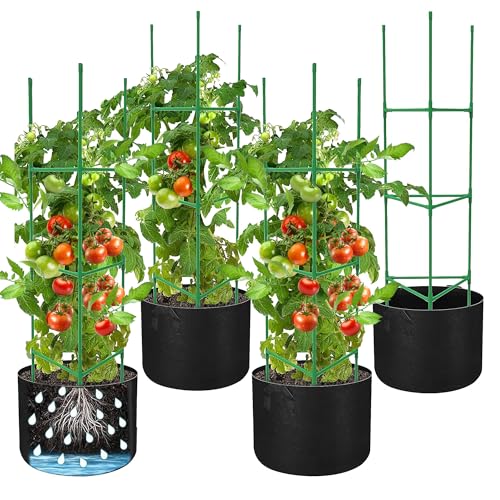
Planter Bag: Our garden tomato cages come with 4 pcs grow bags, which are made of quality felt material, water permeability is good, will not cause the plant to wither due to water accumulation, and designed with 2 carrying handles for easy movement.
Choosing the Right Location for Grow Bags
Selecting the ideal location for your vertical garden is crucial for maximizing plant health and growth. Factors such as sunlight exposure, accessibility for maintenance, and protection from harsh weather will influence your success. This section will guide you through the essential considerations to ensure your grow bags thrive in their chosen spot.
Select an appropriate location for your vertical garden. Ensure it receives adequate sunlight and has access to water. Consider the weight of the grow bags when filled with soil and plants.
Choose a wall or fence for mounting.
Ensure the area has good drainage.
Wear gloves when handling soil and plants to protect your hands.
Avoid areas with extreme weather conditions that could damage your plants.
Vertical Garden Creation with Grow Bags
Creating a vertical garden using grow bags is an innovative way to maximize space while enhancing your outdoor or indoor environment. This method not only allows for efficient plant growth but also adds a unique aesthetic to your living area. In the following section, you’ll discover essential steps and tips for successfully setting up your own vertical garden.
Follow these steps to successfully create your vertical garden using grow bags.
Select a support structure that fits your space.
Attach the structure securely to the wall or fence.
Fill grow bags with potting soil, leaving some space at the top.
Plant your chosen plants in the bags, ensuring proper spacing.
Water thoroughly to settle the soil around the roots.
Fertilize according to the needs of your plants.
Monitor growth and adjust watering as necessary.
Selecting Ideal Plants for Grow Bags
Choosing the right plants for your vertical garden is crucial for maximizing space and ensuring healthy growth. This section will explore various plant options that thrive in grow bags, taking into account factors such as sunlight, water needs, and growth habits. By selecting the ideal plants, you can create a vibrant and productive vertical garden that meets your specific needs.
Choosing the right plants is crucial for a thriving vertical garden. Some plants thrive better in vertical settings than others. Consider the following options:
Herbs like basil and mint are compact and grow well in bags.
Strawberries can cascade down, adding beauty and yield.
Climbing vegetables such as peas and beans benefit from vertical growth.
Recommended Products

【18 Pocket Vertical Garden】Features 18 individual planting pockets, allowing you to grow herbs, flowers, succulents, strawberries, vegetables, and other plants while maximizing vertical space.

PREMIUM MATERIAL - The main component of these wall hanging plant bags is felt, which can maintain sufficient moisture, drainage and ventilation at the same time. Its back lining adopts a waterproof design, effectively protecting the wall from being wet or dirty.

Optimal Plants for Vertical Grow Bags
Choosing the right plants is crucial for a successful vertical garden using grow bags. Certain varieties thrive in limited space and can maximize your garden’s yield while adding visual appeal. This section explores the optimal plants that not only fit well in grow bags but also flourish in vertical arrangements.
Certain plants are particularly well-suited for grow bags in vertical gardens. Here’s a quick overview:
| Plant Type | Growth Habit | Ideal Conditions |
|---|---|---|
| Herbs | Compact | Full sun |
| Strawberries | Cascading | Well-drained soil |
| Climbing Vegetables | Vertical | Support needed |
| Succulents | Low maintenance | Bright light |
Maintain Your Vertical Garden Effectively
Maintaining a vertical garden is essential for ensuring its health and productivity. This section provides practical tips and techniques for caring for your grow bags, including watering, fertilizing, and pest management. By following these guidelines, you can keep your vertical garden thriving and vibrant throughout the growing season.
Regular maintenance is key to a successful vertical garden. Pay attention to watering, fertilizing, and pest control.
Water consistently, especially during dry spells.
Fertilize every few weeks to ensure nutrient availability.
Inspect for pests and diseases regularly.
Overwatering can lead to root rot in grow bags.
Troubleshoot Common Vertical Gardening Issues
Vertical gardening can present unique challenges, particularly when using grow bags. Understanding common issues such as inadequate drainage, pest infestations, and nutrient deficiencies is essential for maintaining a healthy garden. This section will help you identify and address these problems effectively, ensuring your vertical garden thrives.
Even with careful planning, issues may arise. Here are some common problems and their solutions.
Wilting plants may indicate underwatering or poor drainage.
Yellowing leaves often result from nutrient deficiencies.
Pests can be managed with organic insecticides or natural deterrents.
Addressing these issues promptly will keep your vertical garden thriving.
