

Growing yams in a container is an effective way to enjoy this nutritious crop without needing extensive garden space. By selecting the right container and following specific care guidelines, you can achieve a successful harvest. This guide provides essential tips to help you grow yams confidently.
Choosing the Ideal Container for Yams
Choosing the appropriate container is crucial for yam growth. Yams require ample space for their tubers to develop. A container that is at least 15-20 gallons in size is ideal. Materials like plastic or wood are suitable, but ensure the container has drainage holes to prevent waterlogging.
Optimal Container Depth for Yams
Choosing the right container depth is crucial for successful yam cultivation. Yams require ample space for their roots to develop properly, ensuring healthy growth and a bountiful harvest. This section will guide you through the optimal container depth to maximize your yam-growing potential.
Yams grow deep, so depth is important. Consider these factors when selecting a container:
Minimum Size: 15-20 gallons
Depth: At least 12-18 inches
Drainage: Ensure holes are present
| Container Type | Size (Gallons) | Depth (Inches) | Drainage Holes |
|---|---|---|---|
| Plastic | 15-20 | 12-18 | Yes |
| Wooden | 15-20 | 12-18 | Yes |
Choose Quality Yam Seed
Selecting high-quality yam seed is crucial for a successful container garden. The right seed not only influences growth but also impacts the overall yield and health of your plants. By focusing on quality from the start, you set the foundation for a fruitful harvest.
Quality seed yams are essential for a productive harvest. Select disease-free tubers from a reliable source. Look for firm, healthy tubers with no signs of rot or damage.
Choosing the Best Seed Yams
Selecting the right seed yams is crucial for a successful container garden. The quality and variety of seed yams you choose will significantly impact your yield and overall plant health. In this section, we will explore the best types of seed yams to use and key factors to consider for optimal growth.
When selecting seed yams, consider these guidelines:
Type: Choose varieties suited for your climate
Size: Opt for medium-sized tubers
Health: Inspect for blemishes or soft spots
Optimal Soil Mix for Container Yams
Choosing the right soil mix is crucial for successfully growing yams in containers. A well-balanced blend ensures proper drainage, nutrient availability, and moisture retention, all of which are essential for healthy yam development. Understanding the specific soil requirements will set the foundation for a thriving container garden.
Creating the right soil mix is vital for yam growth. A well-draining, nutrient-rich mix promotes healthy root development. Combine potting soil with compost and perlite for optimal results.
Recommended Products

OUTDOOR POTTING SOIL: Miracle-Gro Organic Outdoor Potting Mix contains a quick-release natural plant fertilizer and also feeds plants for up to 2 months

HELPS REGULATE SOIL MOISTURE: Miracle-Gro Organic Indoor Potting Soil Mix is an organic potting soil that protects indoor plants against over and under watering

ALL-NATURAL MIX: Burpee Organic Premium Potting Mix is formulated with plant food & coconut coir to promote seed & root growth and healthy flower, vegetable & herb plants. OMRI Listed for organic use.
Ideal Soil Mix for Container Yams
Growing yams in containers requires careful attention to soil quality to ensure healthy growth and optimal yields. The right soil mix not only supports the tubers but also provides essential nutrients and drainage. Understanding the ideal components of your soil mix is crucial for cultivating robust and productive container-grown yams.
Use these components to create an ideal soil mix:
Potting Soil: 50%
Compost: 30%
Perlite: 20%
| Component | Percentage |
|---|---|
| Potting Soil | 50% |
| Compost | 30% |
| Perlite | 20% |
Optimal Timing for Container Yam Planting
Timing is crucial for successfully growing yams in containers. Understanding the best planting periods can significantly impact your yield and overall plant health. This section will guide you through the optimal times to plant yams, ensuring you start your container garden on the right foot.
Timing is essential for planting yams. Ideally, plant them in late spring after the last frost. This ensures warm soil temperatures, promoting faster growth.
Container Yam Planting Techniques
Growing yams in a container can be a rewarding endeavor, especially for those with limited garden space. This section will explore effective techniques for planting yams in containers, ensuring they thrive and produce a bountiful harvest. With the right approach, you can enjoy the benefits of homegrown yams even in a small area.
Follow these steps for successful planting:
Prepare the Soil: Mix components thoroughly.
Plant the Tubers: Bury them 4-6 inches deep.
Space Properly: Allow 12-18 inches between tubers.
Watering and Fertilizing Yams Effectively
Proper watering and fertilizing are crucial for growing yams successfully in containers. Understanding the specific needs of yams will help you provide the right amount of moisture and nutrients, ensuring robust growth and a bountiful harvest. This section covers essential techniques and tips to optimize your yam cultivation.
Yams require consistent moisture and nutrients. Water regularly, ensuring the soil remains moist but not soggy. Fertilize with a balanced fertilizer every 4-6 weeks to support growth.
Recommended Products

READY TO USE: This liquid plant fertilizer is a ready-to-use indoor plant food that requires no mixing

HOW TO APPLY: To apply, simply shake granules evenly on the soil, mix into the top 1-3 inches of soil in gardens or throughout the soil for potted plants, and water to start feeding
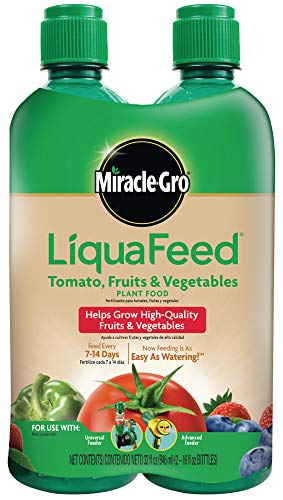
Miracle-Gro LiquaFeed Tomato, Fruits and Vegetables Plant Food helps grow high-quality fruits and vegetables
Optimal Watering and Fertilizing Practices
Successful yam cultivation in containers hinges on understanding optimal watering and fertilizing practices. Proper moisture levels and nutrient balance are crucial for promoting healthy growth and maximizing yield. This section will outline effective strategies to ensure your yams thrive in their confined environment.
Maintain a schedule to ensure healthy yam growth:
Watering: Once a week or as needed
Fertilizing: Every 4-6 weeks
| Task | Frequency |
|---|---|
| Watering | Weekly |
| Fertilizing | Every 4-6 weeks |
Pest and Disease Monitoring Techniques
Monitoring pests and diseases is crucial for successful yam cultivation in containers. By implementing effective techniques, you can safeguard your plants from common threats and ensure a healthy yield. This section outlines practical strategies to help you identify and manage potential issues before they impact your yam growth.
Regular monitoring for pests and diseases is critical. Common issues include aphids and fungal infections. Implement preventative measures to protect your plants.
Container Yam Pest Control Techniques
Growing yams in containers offers a unique set of challenges, particularly when it comes to pest management. Effective pest control techniques are essential to ensure healthy plants and a bountiful harvest. This section will explore practical strategies for keeping pests at bay while cultivating yams in your home garden.
Use these strategies to manage pests effectively:
Inspect Regularly: Check leaves and stems
Use Insecticidal Soap: Treat infestations promptly
Promote Airflow: Avoid overcrowding plants
Optimal Timing for Yam Harvesting
Understanding the right timing for harvesting yams is crucial for maximizing yield and flavor. This section delves into the signs that indicate your yams are ready to be harvested, ensuring you can enjoy the best possible results from your container gardening efforts. With careful attention to growth stages, you can achieve a successful and rewarding harvest.
Timing your harvest is essential for quality. Yams are typically ready to harvest 7-10 months after planting. Look for yellowing leaves as a sign that they are ready.
Container Yam Harvest Techniques
Successfully harvesting yams from containers requires specific techniques to ensure optimal growth and yield. Understanding the right timing, tools, and methods can significantly impact the quality and quantity of your harvest. This section will provide essential tips for effectively harvesting yams grown in containers, helping you maximize your gardening efforts.
Follow these steps for a successful harvest:
Check for Readiness: Look for yellowing leaves.
Loosen the Soil: Gently dig around the tubers.
Remove Carefully: Avoid damaging the tubers.
Yams can be a rewarding crop to grow in containers. By selecting the right container, preparing the soil, and following proper care guidelines, you can achieve a bountiful harvest.
