

Growing peas from seed outdoors requires careful planning and execution to ensure a successful harvest. Start by selecting the right variety and preparing your garden bed properly. This guide outlines the steps needed to plant and nurture your peas effectively.
Essential Supplies for Planting Peas
To successfully grow peas from seed outdoors, having the right supplies is crucial. This section outlines the essential tools and materials you’ll need to ensure a thriving pea garden. From soil preparation to seed selection, each item plays a significant role in achieving a bountiful harvest.
Before starting, ensure you have the necessary supplies to plant your peas. This includes high-quality seeds, a garden trowel, fertilizer, and mulch. Each item plays a critical role in the planting process and overall plant health.
| Supply Item | Purpose |
|---|---|
| Seeds | Provides the genetic material for new plants |
| Garden Trowel | Aids in digging and planting seeds |
| Fertilizer | Supplies essential nutrients for growth |
| Mulch | Helps retain moisture and suppress weeds |
Recommended Products
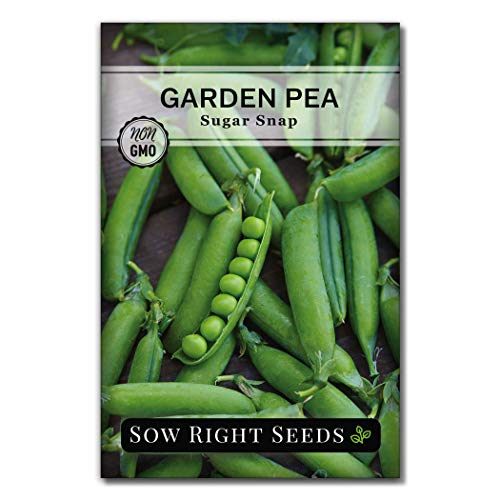
Beautiful - Large premium packets of Sugar Snap Garden Peas (Pisum sativum). Crunchy, plump edible pods filled with round peas grow on vines reaching 5-6' tall. Easy to grow with consistent, heavy yields. Minimum of 13g per packet (about 55 seeds).

Early Frosty English Pea seeds garden seeds vegetable seeds bulk

EARLY HARVESTS – Sugar Ann (Pisum sativum var. macrocarpon) is an early maturing dwarf snap pea producing heavy yields of crisp, sweet pods on tidy 20–24 inch bush plants
Garden Bed Preparation for Peas
A well-prepared garden bed is crucial for optimal growth. Start by choosing a location that receives full sun for at least six hours daily. Clear the area of weeds and debris. Loosen the soil to a depth of about 12 inches to promote root growth.
Test Soil pH: Aim for a pH between 6.0 and 7.0.
Add Organic Matter: Incorporate compost or well-rotted manure to enhance soil fertility.
Rake Smooth: Level the soil and remove any large clumps.
Optimal Timing for Planting Peas
Timing is crucial for a successful pea crop, as these cool-season plants thrive in specific conditions. Understanding when to plant peas outdoors can significantly impact their growth and yield. This section will guide you through the optimal timing to ensure your pea seeds flourish in your garden.
Timing is essential for planting peas. They thrive in cooler temperatures, making early spring the ideal time. Wait until the soil temperature reaches at least 45°F.
Direct Sowing: Plant seeds 1-2 inches deep.
Spacing: Space seeds 2 inches apart in rows 18-24 inches apart.
Watering: Water thoroughly after planting to settle the soil around the seeds.
Pea Watering and Fertilization Techniques
Proper watering and fertilization are crucial for healthy pea plants and a bountiful harvest. Understanding the specific needs of peas can help ensure they thrive in your garden. This section outlines effective techniques for watering and fertilizing your pea crops to promote robust growth and maximize yield.
After planting, monitor moisture levels closely. Peas require consistent watering, especially during dry spells.
Watering Schedule: Aim for about 1 inch of water per week.
Fertilizer Application: Use a balanced fertilizer when seedlings are about 4 inches tall.
Mulching: Apply a layer of mulch to retain moisture and control weeds.
Recommended Products

Grow plants twice as big compared to unfed plants with the Miracle-Gro LiquaFeed All Purpose Plant Food Advance Starter Kit

Wheeled garden box growing kit with fertilizer, dolomite
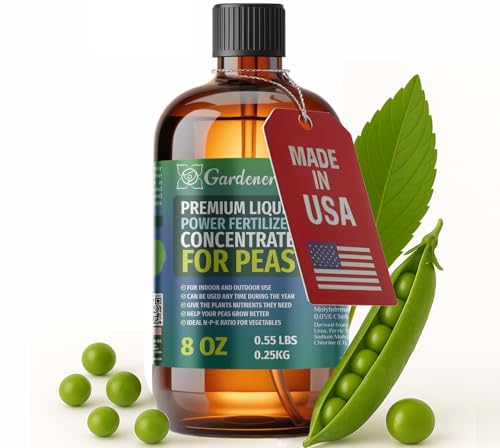
🌱 FORMULATED FOR ALL PEA VARIETIES – Gardenera LIQUID POWER Peas Fertilizer is engineered to maximize the growth and productivity of garden peas, sugar snap peas, snow peas, and shelling peas with a nutrient blend designed for legumes.
Pest and Disease Monitoring for Peas
Monitoring pests and diseases is crucial for successful pea cultivation. By staying vigilant and identifying potential threats early, you can protect your plants and ensure a healthy harvest. This section will provide practical strategies for recognizing and managing common issues that may arise during the growing season.
Regularly check your pea plants for signs of pests and diseases. Common issues include aphids and powdery mildew.
Aphid Control: Introduce beneficial insects like ladybugs or use insecticidal soap.
Disease Prevention: Ensure good air circulation and avoid overhead watering to minimize fungal issues.
Recommended Products

READY-TO-USE CONTACT SPRAY: No mixing required. Thoroughly spray insecticide on all plant parts, including the underside of leaves. Pests must be sprayed directly to achieve control

PEST DEFENSE - Insecticidal Super Soap controls species of adelgid, ant, aphid, borer, caterpillar, spider mite, cricket, chinch bug, weevil, fly, thrip, & more.
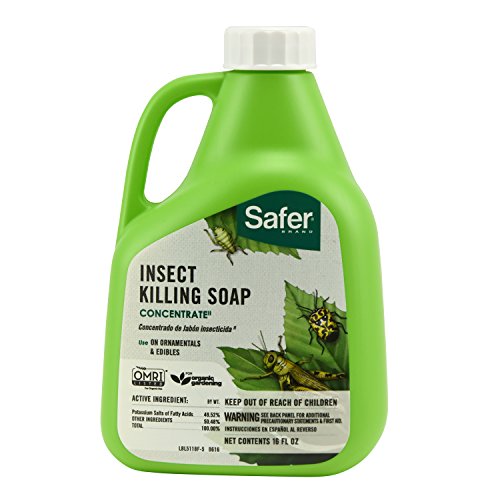
GENTLE ON MOST PLANTS - This aphid spray is ideal for use on flowers, herbs, vegetables, houseplants, lawn, tree, shrubs, and more
Optimal Timing for Pea Harvest
Understanding the optimal timing for harvesting peas is essential for achieving the best flavor and texture. Peas should be picked at their peak ripeness to ensure a sweet and tender bite. This section will guide you through the signs to look for and the ideal conditions to consider for a successful harvest.
Timing your harvest is crucial for the best flavor and texture. Peas are typically ready to harvest when the pods are plump and bright green.
Snap Peas: Harvest when pods are full but before they start to yellow.
Shelling Peas: Wait until pods are fully developed and firm.
Regular Picking: Frequent harvesting encourages more production.
Common Pea Growing Problems and Solutions
Growing peas can be rewarding, but various challenges may arise during the process. Understanding common problems such as pests, diseases, and environmental factors is crucial for ensuring a healthy crop. This section provides practical solutions to help you navigate these issues and achieve a successful harvest.
Even with careful planning, issues can arise during the growing season. Here are some common problems and solutions.
| Issue | Solution |
|---|---|
| Poor Germination | Ensure seeds are fresh and planted at the right depth |
| Yellowing Leaves | Check for nutrient deficiencies or overwatering |
| Stunted Growth | Assess soil quality and ensure adequate sunlight |
Harvesting and Using Your Homegrown Peas
Once your peas have matured, harvesting them at the right time is crucial for optimal flavor and texture. This section will guide you through the best practices for picking your peas, along with tips on how to store and use them in your favorite dishes, ensuring you make the most of your homegrown bounty.
Once harvested, enjoy your fresh peas in various dishes or freeze them for later use. They are nutritious and versatile, making them a great addition to any meal.
