

Growing mint quickly requires specific strategies to optimize its growth conditions. By providing the right environment, nutrients, and care, you can achieve rapid growth and a bountiful harvest. This guide details effective methods to ensure your mint thrives.
Essential Supplies for Rapid Mint Growth
To grow mint effectively, you need to gather specific supplies that will enhance its growth. Start with high-quality mint seeds or cuttings. Ensure you have potting soil, fertilizer, and containers if you’re planting indoors. A watering can and pruning shears are also essential for maintenance.
| Supply Type | Purpose |
|---|---|
| Mint Seeds or Cuttings | Starting growth |
| Potting Soil | Provides nutrients |
| Fertilizer | Enhances growth |
| Containers | Ideal for indoor planting |
| Watering Can | Ensures proper hydration |
| Pruning Shears | Maintains plant health |
Recommended Products

15 Herb Seeds Variety Pack – 4,300 Seeds Included: Start your own herb garden with this all-in-one heirloom herbs seeds kit. Includes Genovese Basil, Sweet Basil, Italian Oregano, Rosemary, Thyme, Cilantro, Dill, Mint, Sage, Lavender, Chives, Garlic Chives, Parsley, Chervil, and Scallions. Each herb seed packet is USA-sourced and tested for high germination. Grow these herb garden seeds in your backyard, windowsill, raised beds, or pots for fresh flavors all season long.

【All-Inclusive 10-Set Herb Kit】This complete indoor herb garden starter kit has everything you need to build your windowsill garden. It comes with 10 premium popular herb seed varieties, plus 10 reusable starter pots, expandable soil discs, plant markers, a spray bottle, marking pen and full premium gardening tool set. No extra supplies required.

MEET ALL NEEDS FOR HERB GROWING: Package comes with 5 types of herb seeds, 5 planter bags, 5 nutritional soil discs, 5 writable plant markers, 3 mini gardening tools for digging weeding and soil loosening, 1 bonsai pruner, 1 small water bottle, 1 planter box and a manual booklet. Meekear herb grow kit are super simple and easy to use, perfect for garden beginners.
Ideal Mint Growing Environment
Mint flourishes in specific environmental conditions. It prefers partial shade to full sun, with well-draining soil that retains moisture. Aim for a temperature range between 60°F and 70°F. If growing indoors, place your mint near a south-facing window for maximum sunlight exposure.
Recommended Products

Accurate Soil Moisture Detection: The XLUX Soil Moisture Meter can tell you if the soil deep inside your pot or garden is dry, moist or wet; whereas your eyes and fingers can only determine the moisture level of the soil surface. The probe is 5.5 inches (14 cm) longer than regular styles, allowing it to measure the soil moisture at the bottom of larger and deeper flower pots.
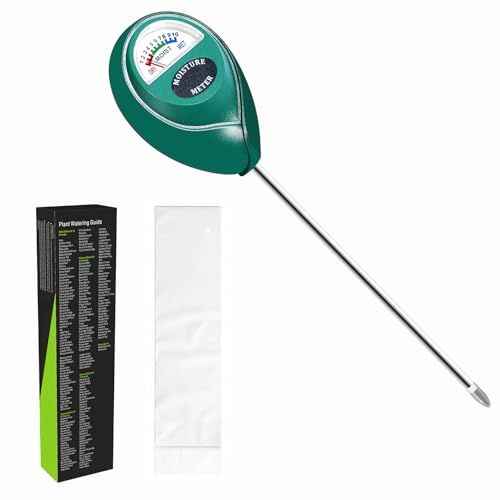
Trusted Since 2015: Become one of the many plant lovers who rely on the proven accuracy of XLUX. Established in 2015, our soil moisture meter has earned over 60,000+ verified ratings for its consistent performance. While many many newer brands come and go, we provide the long-term reliability and quality that American households have trusted for over a decade.
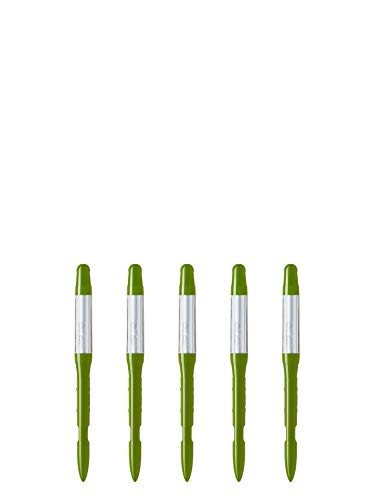
Dimensions: 0.4 x 0.3 x 4.7 inches (small) - Intended for pot sizes of 2, 2.5, and 3 - Ideal for small succulents
Optimal Soil Moisture for Fast Mint Growth
Achieving optimal soil moisture is crucial for fast mint growth, as this herb thrives in conditions that balance hydration and drainage. Understanding the specific moisture needs can significantly enhance your mint’s development, ensuring vibrant leaves and robust flavor. The following insights will guide you in maintaining the ideal moisture levels for rapid mint cultivation.
Maintaining proper soil moisture is critical for mint growth. Overwatering can lead to root rot, while underwatering can stunt growth.
Check the soil daily and water when the top inch feels dry. Use a moisture meter for precise readings.
Fertilization Techniques for Quick Mint Growth
To achieve rapid growth in mint, understanding the right fertilization techniques is essential. By applying the appropriate nutrients at the right time, you can significantly enhance the plant’s vigor and yield. This section will explore effective fertilization strategies that promote lush, healthy mint in your garden.
Fertilizing your mint is essential for fast growth. Use a balanced, water-soluble fertilizer every 4-6 weeks during the growing season.
Follow the manufacturer’s instructions for dilution and application. This will provide the necessary nutrients for robust growth.
Pruning Techniques for Bushier Mint Growth
Regular pruning encourages bushier growth and prevents flowering, which can alter the flavor of the leaves. Use clean pruning shears to trim back stems by one-third. This should be done every few weeks during the growing season to promote new growth.
Pest Management Strategies for Mint
Mint can attract pests like aphids and spider mites. Regularly inspect your plants for signs of infestation. If you notice pests, use insecticidal soap or neem oil to treat the plants. Ensure good air circulation around the plants to prevent fungal diseases.
Mint Harvesting for Optimal Growth
Harvesting mint correctly ensures you get the most out of your plants. Wait until the plants are at least 6 inches tall before harvesting. Use pruning shears to cut stems just above a leaf node. This encourages new growth and allows the plant to thrive.
Proper Storage Techniques for Fresh Mint
To preserve the freshness of your mint, store it correctly after harvesting. Wrap the stems in a damp paper towel and place them in a plastic bag in the refrigerator. Alternatively, you can freeze mint leaves in ice cube trays with water for long-term storage.
Mint Growth Problem Solutions
Growing mint can be a rewarding endeavor, but it often comes with its own set of challenges. From pests to environmental factors, various issues can hinder the rapid growth of this aromatic herb. This section addresses common mint growth problems and offers effective solutions to ensure your plants thrive quickly and robustly.
Despite your best efforts, you may encounter growth issues. Common problems include yellowing leaves, stunted growth, or wilting.
| Issue | Possible Cause | Solution |
|---|---|---|
| Yellowing Leaves | Overwatering or nutrient deficiency | Adjust watering and fertilize |
| Stunted Growth | Poor light or overcrowding | Move to brighter location or thin plants |
| Wilting | Underwatering or heat stress | Increase watering and provide shade |
Mint can be a rewarding plant to grow when you understand its needs. By following these strategies, you can ensure rapid growth and a healthy harvest.
