

Growing basil in your garden is straightforward with the right approach. Start by selecting a sunny location and preparing nutrient-rich soil to ensure healthy growth and flavor.
Essential Supplies for Successful Basil Cultivation
To cultivate basil successfully, having the right supplies is crucial. From soil and pots to seeds and tools, each element plays a vital role in ensuring healthy growth. This section outlines the essential supplies you’ll need to create an optimal environment for your basil plants.
Before planting basil, gather the necessary supplies to create an optimal growing environment. This includes quality seeds or seedlings, potting soil, and fertilizer. Consider the following items:
Seeds or seedlings from a reputable source
Potting soil with good drainage
Organic fertilizer for nutrient support
Watering can or hose for consistent moisture
Mulch to retain soil moisture
Recommended Products

ALL-NATURAL MIX: Burpee Organic Premium Potting Mix is formulated with plant food & coconut coir to promote seed & root growth and healthy flower, vegetable & herb plants. OMRI Listed for organic use.

🌳 SUPPORT YOUR INDOOR HERB'S GROWTH - Give your indoor herb plants the ideal growing environment with this professional soil mix designed for strong root development and healthy leaf production. This premium ready-to-use potting soil enhances nutrient absorption, supports fertilizer efficiency, and promotes plant stability. Perfect for basil, mint, rosemary, thyme, and other kitchen herbs, helping your plants grow fresh, flavorful, and ready for harvest.

HELPS REGULATE SOIL MOISTURE: Miracle-Gro Organic Indoor Potting Soil Mix is an organic potting soil that protects indoor plants against over and under watering
Garden Bed Preparation for Basil Growth
Preparation is crucial for successful basil growth. Choose a location that receives at least six hours of sunlight daily. Clear the area of weeds and debris, then amend the soil with compost to enhance its nutrient content. Follow these steps:
Clear the planting area of weeds and rocks.
Amend the soil with compost or well-rotted manure.
Loosen the soil to a depth of at least 12 inches.
Level the soil surface for even planting.
Basil Seed and Seedling Planting Techniques
Planting basil seeds and seedlings requires careful attention to technique for optimal growth. Understanding the right depth, spacing, and timing can significantly impact your basil’s health and yield. This section will provide detailed methods to ensure your basil thrives from the very beginning.
Once your garden bed is prepared, it’s time to plant your basil. You can choose to start from seeds or transplant seedlings. Here’s how to proceed:
Seeds: Plant seeds about ¼ inch deep and 12 inches apart.
Seedlings: Dig holes slightly larger than the root ball and space them 12 inches apart.
Water gently after planting to settle the soil around the seeds or seedlings.
Basil Watering and Fertilizing Techniques
Proper watering and fertilizing are crucial for cultivating healthy basil plants in your garden. Understanding the specific needs of basil will help you provide the right amount of moisture and nutrients, ensuring robust growth and rich flavor. This section will outline effective techniques to keep your basil thriving throughout the growing season.
Basil requires consistent moisture and nutrients to thrive. Establish a routine for watering and fertilizing to promote healthy growth. Follow these guidelines:
Water deeply once a week, adjusting frequency based on rainfall.
Fertilize every 4-6 weeks with an organic fertilizer.
Monitor for signs of overwatering, such as yellowing leaves.
Basil Pests and Disease Management Strategies
Basil is a popular herb known for its vibrant flavor, but it can be susceptible to various pests and diseases that threaten its growth. Understanding these challenges is crucial for maintaining a healthy basil garden. This section outlines effective management strategies to protect your plants and ensure a bountiful harvest.
Basil is susceptible to various pests and diseases that can hinder its growth. Regular monitoring can help you catch issues early. Be aware of the following:
Aphids: Small insects that suck sap from leaves.
Basil downy mildew: A fungal disease causing yellow spots on leaves.
Fusarium wilt: A soil-borne fungus leading to wilting and death.
Implement preventive measures such as crop rotation and organic pest control methods.
Maximizing Basil Flavor Through Harvesting Techniques
Harvesting basil at the right time and using specific techniques can significantly enhance its flavor. Understanding how to properly cut and store your basil not only preserves its aromatic qualities but also encourages further growth. This section delves into effective harvesting methods that will help you enjoy the most flavorful basil from your garden.
Harvesting basil correctly enhances its flavor and encourages further growth. Begin harvesting when the plants are at least 6 inches tall. Use the following techniques:
Pinch off leaves from the top to promote bushier growth.
Cut stems just above a leaf node to encourage new growth.
Avoid harvesting more than one-third of the plant at a time.
Basil Variety Flavor Profiles and Uses
Exploring the diverse varieties of basil can significantly enhance your culinary experience. Each type offers unique flavor profiles and uses, making it essential to understand their characteristics. This section delves into the distinct tastes and applications of various basil varieties, helping you choose the best ones for your garden and kitchen.
Different basil varieties offer unique flavors and uses. Here’s a quick comparison of popular types:
| Basil Variety | Flavor Profile | Best Uses |
|---|---|---|
| Sweet Basil | Sweet, aromatic | Pesto, salads |
| Thai Basil | Spicy, anise-like | Asian dishes |
| Lemon Basil | Citrusy, fresh | Desserts, teas |
| Purple Basil | Mild, slightly spicy | Garnishes, salads |
Basil Growth Problem Solutions
Growing basil can be rewarding, but it often comes with its share of challenges. Understanding common growth problems and their solutions is essential for cultivating healthy plants and maximizing your harvest. This section will address typical issues you may encounter while growing basil and provide practical remedies to ensure your plants thrive.
If your basil plants are not thriving, identifying the problem is essential. Common issues include nutrient deficiencies, poor drainage, and inadequate sunlight. Address these problems with the following actions:
Check soil moisture levels to prevent root rot.
Adjust planting location for better sunlight exposure.
Test soil pH and amend if necessary.
Monitor your plants regularly to ensure they remain healthy and productive.
Recommended Products
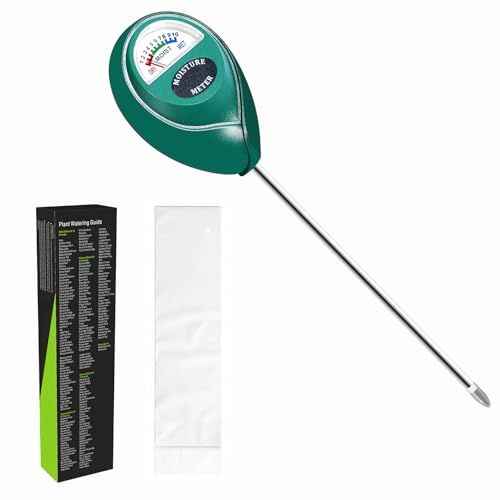
Trusted Since 2015: Become one of the many plant lovers who rely on the proven accuracy of XLUX. Established in 2015, our soil moisture meter has earned over 60,000+ verified ratings for its consistent performance. While many many newer brands come and go, we provide the long-term reliability and quality that American households have trusted for over a decade.

Accurate Soil Moisture Detection: The XLUX Soil Moisture Meter can tell you if the soil deep inside your pot or garden is dry, moist or wet; whereas your eyes and fingers can only determine the moisture level of the soil surface. The probe is 5.5 inches (14 cm) longer than regular styles, allowing it to measure the soil moisture at the bottom of larger and deeper flower pots.
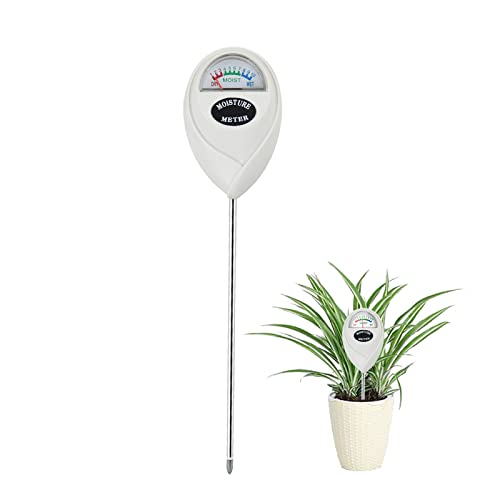
【SAVE YOUR PLANTS】: Over watering can cause problems with your plants or even kill them. This soil moisture meter helps you know the soil is dry, moist or wet.No more over watering!
Basil Care Techniques for Optimal Growth
To achieve vibrant and healthy basil plants, it’s essential to understand the specific care techniques that promote optimal growth. From soil preparation to watering practices, each step plays a crucial role in ensuring your basil thrives in the garden. This section will provide detailed insights into the best methods for nurturing your basil plants effectively.
Basil thrives with proper care and attention. Maintain consistent watering, monitor for pests, and harvest regularly to encourage growth. Following these guidelines will lead to a bountiful basil harvest.
