

Growing a straw bale garden offers an efficient and eco-friendly way to cultivate vegetables and flowers at home. This method uses straw bales as planting containers, providing excellent drainage and insulation for roots. Following a structured approach ensures a successful garden with minimal effort.
Essential Supplies for Straw Bale Gardening
To successfully embark on a straw bale gardening project, having the right supplies is crucial. This section outlines the essential materials and tools you’ll need to create a thriving garden using straw bales, ensuring that your efforts yield a professional-quality finish right in your own backyard.
Before starting a straw bale garden, gather all necessary supplies. This preparation helps streamline the process and ensures you have everything needed for a successful setup. Key items include:
Straw bales: Choose high-quality, weed-free bales.
Garden soil: Use a nutrient-rich mix for planting.
Watering can or hose: Ensure adequate watering capabilities.
Fertilizer: Select organic options for healthy growth.
Seeds or seedlings: Choose plants suited for your climate.
| Supply Item | Purpose | Estimated Cost |
|---|---|---|
| Straw Bales | Base for planting | $5 each |
| Garden Soil | Nutrients for plants | $15 per bag |
| Fertilizer | Enhances growth | $10 per bag |
| Seeds | Variety of plants | $2 per packet |
Recommended Products

FALL & HALLOWEEN DISPLAY READY: This compact mini straw bale is sized for porch steps, pumpkin displays, harvest tables and photo backdrops. After the season, reuse it as natural mulch or add it to compost.

ORGANIC PROCESSED STRAW With TACKIFIER – Premium Processed Straw with a bonding agent (Tackifier) that gives straw a tackiness which holds it together. This natural bonding agent is biodegradable and helps to protect grass seed from heavy washout and wind.

Straw Bale Preparation for Optimal Growth
Preparing straw bales properly is crucial for creating a thriving garden that maximizes yield and minimizes effort. This section will guide you through the essential steps to condition and set up your straw bales, ensuring they provide the ideal environment for your plants to flourish. With the right preparation, you can achieve professional results right in your backyard.
Properly preparing straw bales is crucial for successful growth. Start by soaking the bales thoroughly to initiate the decomposition process.
This step activates beneficial microorganisms that enrich the growing medium. Follow these steps:
Soak the bales: Water each bale until saturated.
Condition the bales: Apply fertilizer to promote decomposition.
Wait: Allow bales to sit for 10-14 days, keeping them moist.
This conditioning process creates an optimal environment for root development.
Optimal Plant Choices for Straw Bale Gardens
Selecting the right plants is crucial for the success of a straw bale garden. Certain varieties thrive in the unique conditions created by straw bales, maximizing growth and yield. This section will explore optimal plant choices that not only flourish in this environment but also enhance the overall aesthetic and productivity of your garden.
Choosing the right plants is essential for maximizing the yield of your straw bale garden. Consider the following factors when selecting plants:
Climate: Ensure plants are suitable for your local weather conditions.
Sunlight: Choose plants based on available sunlight in your garden space.
Growth habits: Opt for varieties that thrive in confined spaces.
Some recommended plants include:
Tomatoes: High yield and popular choice.
Peppers: Compact and productive.
Herbs: Easy to grow and useful in cooking.
Watering Strategies for Straw Bale Gardens
Effective watering is crucial for the success of a straw bale garden, as it directly impacts plant health and growth. Understanding the unique moisture needs of straw bales can help gardeners maintain an optimal environment for their plants. This section explores various watering strategies tailored specifically for straw bale gardening to ensure a flourishing harvest.
Effective watering and maintenance are critical for a thriving straw bale garden. Regular attention prevents issues such as drought stress or disease. Implement these practices:
Water consistently: Keep bales moist but not soggy.
Monitor growth: Check for pests and diseases regularly.
Fertilize periodically: Use organic fertilizers every few weeks.
Adjust your watering schedule based on weather conditions to ensure optimal growth.
Recommended Products
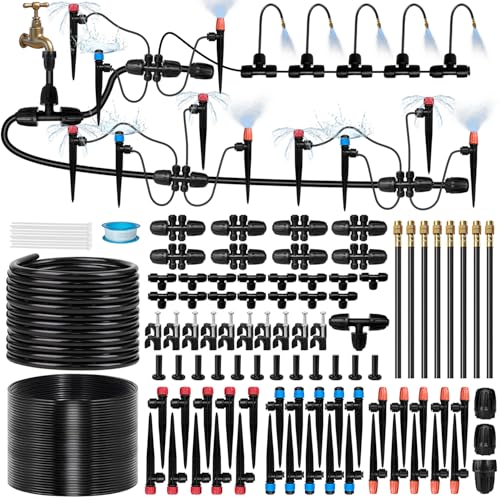
【Upgraded Tube Design & Water Saving】 Our garden watering system is upgraded to 1/2” diameter to support high water pressure. The 1/2” tee connector allows seamless splitting into 2 independent zones for customized watering schedules. By delivering moisture directly to root zones, this drip Irrigation system significantly reduces evaporation and runoff—saving more water compared to conventional sprinklers while eliminating the need for manual watering.

SECURE TUBING IN PLACE: Secures supply tubing where you want them; keeps emitters near the root of plant for optimal growth and health; Ideal for use in flower and vegetable gardens; around trees and shrubs, and container plants
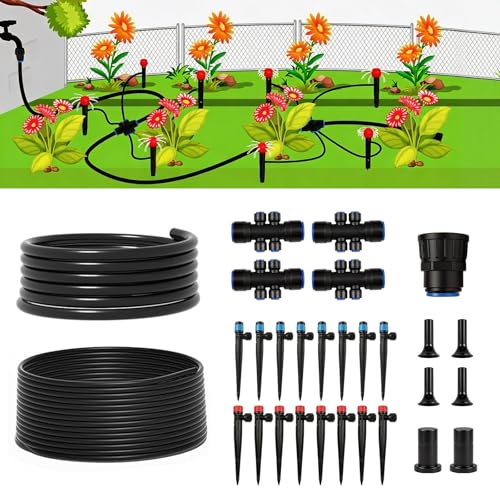
TRUE QUICK CONNECT – NO LEAKS, NO STRUGGLE: Unlike traditional kits that require twisting and force-fitting, our quick-connect design lets you simply push tubing into place. Secure, leak-resistant connections every time — no tools needed.
Troubleshoot Common Straw Bale Gardening Issues
Growing a straw bale garden can be a rewarding experience, but it may come with its own set of challenges. Understanding common issues that arise during the process is essential for achieving a thriving garden. This section addresses frequent problems and offers practical solutions to help you maintain a healthy and productive straw bale garden.
Even with careful preparation, issues may arise in a straw bale garden. Identifying and addressing these problems quickly is essential for maintaining plant health. Common issues include:
Insufficient moisture: If bales dry out, plants may wilt.
Pest infestations: Regularly inspect for signs of pests.
Nutrient deficiencies: Yellowing leaves may indicate a lack of nutrients.
For each issue, take immediate action to rectify the situation.
Recommended Products

Trusted Since 2015: Become one of the many plant lovers who rely on the proven accuracy of XLUX. Established in 2015, our soil moisture meter has earned over 60,000+ verified ratings for its consistent performance. While many many newer brands come and go, we provide the long-term reliability and quality that American households have trusted for over a decade.

Kindly NOTE: This soil tester can not be applied to test pH value of any other liquid. If the soil is too dry the indicator will not move, and water it before testing.

Probe Length: 20"
Optimal Harvesting Techniques for Straw Bale Gardens
Harvesting from a straw bale garden requires careful timing and technique to ensure the best yield. Understanding when to pick your crops and how to handle them can significantly impact flavor and freshness. This section outlines the optimal harvesting practices that will help you enjoy the fruits of your labor at their peak quality.
Once your plants mature, it’s time to harvest and enjoy the fruits of your labor. Timing is crucial for optimal flavor and texture. Follow these guidelines:
Monitor ripeness: Harvest vegetables when they reach peak maturity.
Use proper tools: Employ sharp shears or knives for clean cuts.
Store properly: Keep harvested produce in a cool, dry place.
With careful planning and execution, a straw bale garden can yield a bountiful harvest with minimal investment.
