

Growing onions typically takes between 90 to 120 days from planting to harvest, depending on the variety and growing conditions. By understanding the factors that influence growth, you can effectively plan your planting schedule and ensure a successful crop.
Onion Growth Stages and Care Requirements
Understanding the growth stages of onions is crucial for successful cultivation. Each phase, from germination to maturity, requires specific care and attention to ensure healthy development. This section outlines the key stages of onion growth and the essential care practices needed at each step for optimal results.
Onions undergo several growth stages, each requiring specific care and conditions. The main stages include germination, bulb formation, and maturation.
Germination occurs within 7 to 14 days after planting seeds.
Bulb formation starts when the onion reaches a certain size and daylight hours begin to shorten.
Maturation is when the onion’s leaves start to yellow and fall over.
Monitoring these stages is crucial for optimal growth and yield.
Recommended Products

EASIER SEED STARTING: Our Burpee SuperSeed tray with 36 flexible pop-out cells is designed to simplify indoor seed starting for all your favorite vegetables, flowers and herbs. Just add seed starting mix, seeds, water and light to get growing! Rows are labeled alphanumerically for seedling identification with included Plant-o-Gram diagram. Tray dimensions: 11.5" x 10-3/8" x 2-1/4"

Upgraded with Adjustable Ventilation - Gardzen seed starter tray has been newly upgraded with two air vents added to the top, allowing you to easily adjust the ventilation for optimal seed growth. Say goodbye to stagnant air and hello to thriving plants!
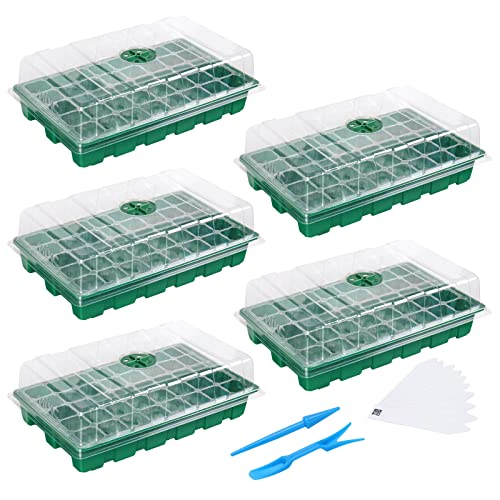
High quality transparent plastic cell trays of this seed grow kit make it easy to observe your plants without interrupting the process.
Onion Growth Timeline Influencers
Understanding the factors that influence onion growth timelines is crucial for successful cultivation. Various elements, such as soil quality, climate conditions, and planting techniques, can significantly affect how quickly onions mature. This section delves into these key influencers, providing insights that can help optimize your onion-growing experience.
Several factors can significantly impact the growth timeline of onions. Understanding these can help you optimize your gardening practices.
Variety: Different onion types have varying growth durations. For instance, yellow onions typically take longer than green onions.
Climate: Onions thrive in cool to moderate temperatures. High heat can stunt growth.
Soil Quality: Well-drained, nutrient-rich soil promotes healthy growth. Testing soil pH can help ensure optimal conditions.
Onion Planting Strategies for Optimal Growth
Effective onion planting strategies are crucial for achieving optimal growth and maximizing yield. Understanding the right techniques, timing, and conditions can significantly influence the development of healthy onions. This section explores expert-tested methods to help you cultivate robust onion plants, ensuring a successful harvest.
Employing effective planting techniques can enhance the growth rate of your onions.
Seed Selection: Choose high-quality seeds from reputable suppliers.
Soil Preparation: Amend soil with compost or well-rotted manure to improve fertility.
Spacing: Plant onions 4 to 6 inches apart to allow for proper air circulation and growth.
| Technique | Description | Impact on Growth |
|---|---|---|
| Seed Selection | Use high-quality seeds | Increases germination rate |
| Soil Preparation | Amend with compost | Enhances nutrient availability |
| Spacing | Maintain 4 to 6 inches | Improves air circulation |
Onion Watering and Fertilization Techniques
Proper watering and fertilization are crucial for successful onion growth. Understanding the specific needs of onions in these areas can significantly impact their yield and quality. This section delves into expert-tested techniques that ensure your onions receive the right amount of moisture and nutrients throughout their growing cycle.
Proper watering and fertilizing are essential for healthy onion development.
Watering: Onions require consistent moisture, especially during bulb formation. Aim for 1 inch of water per week.
Fertilizing: Use a balanced fertilizer at planting and again when bulbs start to form. This supports robust growth.
Onion Pest and Disease Control Strategies
Effective pest and disease control is crucial for successful onion cultivation. Various threats can compromise the health and yield of onion crops, making it essential for growers to implement proven strategies. This section explores expert-tested methods to manage common pests and diseases, ensuring robust growth and a bountiful harvest.
Managing pests and diseases is crucial for maintaining healthy onion plants.
Common Pests: Onion flies and thrips can damage crops. Use row covers to protect young plants.
Diseases: Fungal diseases like downy mildew can affect growth. Rotate crops and select resistant varieties to minimize risks.
Regularly inspect your onion plants for signs of pests or diseases to take timely action.
Onion Harvest Timing and Techniques
Understanding the timing and techniques for harvesting onions is crucial for achieving optimal flavor and storage potential. This section delves into the expert-tested methods that can help you determine the right moment to harvest your onions, ensuring you maximize both yield and quality. By following these guidelines, you can enjoy a successful onion-growing experience.
Knowing when and how to harvest onions ensures you get the best yield.
Timing: Harvest when leaves begin to yellow and fall over. This indicates the bulbs are mature.
Method: Gently lift onions from the soil using a garden fork to avoid bruising.
| Harvesting Step | Action | Tips |
|---|---|---|
| Timing | Check for yellowing leaves | Harvest before frost |
| Method | Use a garden fork | Lift gently to avoid damage |
Onion Storage Techniques for Extended Freshness
To maximize the shelf life of your onions, proper storage techniques are essential. Understanding the best practices for keeping onions fresh can significantly reduce waste and enhance their flavor in your cooking. This section explores expert-tested methods to ensure your onions remain crisp and flavorful for as long as possible.
Proper storage can extend the shelf life of your harvested onions.
Curing: Allow harvested onions to dry in a cool, dark place for a few weeks. This hardens the skin and helps prevent rot.
Storage Conditions: Store in a cool, dry, and well-ventilated area. Avoid moisture to prevent sprouting.
Check stored onions regularly for any signs of spoilage to maintain quality.
