

Bird pepper typically grows rapidly, reaching maturity in about 90 to 120 days under optimal conditions. This quick growth makes it an appealing choice for gardeners looking to add heat to their dishes in a short timeframe.
Bird Pepper Growth Stages Explained
Understanding the growth stages of bird pepper is crucial for gardeners looking to optimize their cultivation. This guide breaks down each phase of the plant’s development, from germination to maturity, providing insights into the timeline and conditions necessary for healthy growth. By familiarizing yourself with these stages, you can better manage your plants for a successful harvest.
Bird pepper plants thrive in warm climates, making them ideal for summer gardens. They prefer well-drained soil and full sunlight, which can significantly affect their growth rate. Understanding the growth stages helps in planning for optimal harvest times.
Recommended Products

Reliable Results: The VIVOSUN professional heat mat maintains optimal temperatures around 68-86℉ (20-30℃), perfect for Seedling start and cutting propagation; Made from durable PVC material, it's designed to last
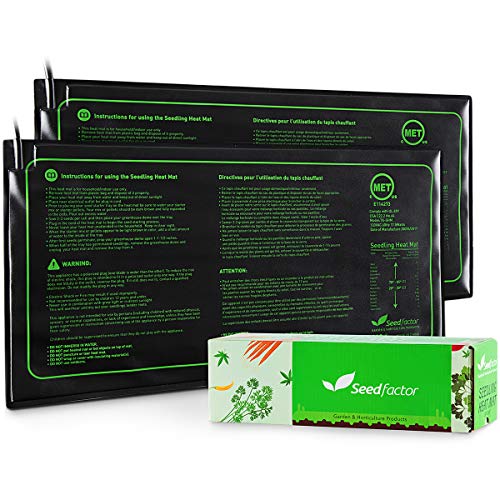

Consistent & Even Heat - Ruyyi plant heating mat provides stable, uniform temperatures that ensures the root area of seedlings remains between 70℉ and 85℉ to ensure growth and increased germination,also ideal for seed starting and cuttings
Bird Pepper Germination and Seedling Care
Understanding the germination process and proper care for bird pepper seedlings is crucial for successful growth. This section delves into the optimal conditions for germination, including temperature, moisture, and light requirements, as well as essential tips for nurturing seedlings during their early stages. By following these guidelines, you can ensure a robust start for your bird pepper plants.
The germination phase is crucial for bird pepper. Seeds usually sprout within 7 to 14 days if kept at temperatures between 70°F and 85°F. Once germinated, seedlings require careful attention to ensure strong development.
Optimal Temperature: 70°F to 85°F
Germination Time: 7 to 14 days
Soil Requirements: Well-drained, nutrient-rich
Transplanting Bird Pepper Seedlings Outdoors
Transplanting bird pepper seedlings outdoors is a crucial step in ensuring their successful growth. Proper timing and technique can significantly impact their development and yield. This section will guide you through the essential practices for transplanting these seedlings to help them thrive in their new environment.
After seedlings develop two to three sets of true leaves, they can be transplanted outdoors. This transition should occur after the last frost to ensure the plants thrive. Proper spacing between plants is essential for airflow and nutrient absorption.
| Stage | Timeframe | Key Actions |
|---|---|---|
| Germination | 7 to 14 days | Maintain warmth and moisture |
| Seedling | 3 to 4 weeks | Provide light and nutrients |
| Transplanting | After frost | Space plants adequately |
Bird Pepper Flowering and Fruit Set
Understanding the flowering and fruit set of bird pepper is crucial for gardeners looking to optimize their growth. This section delves into the timeline and conditions necessary for these peppers to produce blooms and fruit, offering insights that can enhance your cultivation efforts. By recognizing these stages, you can better anticipate and manage your harvest.
Bird pepper plants typically begin to flower about 6 to 8 weeks after transplanting. Pollination is crucial during this stage, as it directly influences fruit set. Regular watering and fertilization can enhance fruit yield.
Flowering Time: 6 to 8 weeks post-transplant
Pollination: Essential for fruit production
Fertilization: Use a balanced fertilizer every 4-6 weeks
Bird Pepper Harvest Timing and Techniques
Harvesting bird peppers at the right time maximizes flavor and heat. Peppers can be picked when they are green or allowed to ripen to red for a sweeter taste. Using sharp scissors or pruning shears helps prevent damage to the plant.
Harvest Timing: Green or fully ripe
Tools Needed: Sharp scissors or pruning shears
Storage Tips: Store in a cool, dry place
Bird Pepper Growth Issues and Solutions
Bird pepper plants can encounter various growth issues that may hinder their development. Understanding these challenges and their solutions is essential for ensuring a healthy and productive crop. This section delves into common problems faced by bird pepper growers and offers practical remedies to promote optimal growth.
Bird pepper plants can face several challenges that may slow growth. Pests like aphids and diseases such as powdery mildew can hinder development. Regular monitoring and prompt action can mitigate these issues.
Pest Management: Use insecticidal soap for aphids
Disease Prevention: Ensure proper airflow around plants
Watering Practices: Avoid overhead watering to reduce mildew risk
Growth Diagnostic Symptoms and Solutions
Understanding the growth diagnostic symptoms of bird pepper is essential for successful cultivation. This section delves into common issues that may arise during the growth process, offering practical solutions to ensure your plants thrive. By recognizing these symptoms early, you can take the necessary steps to promote healthy growth and maximize your yield.
| Symptom | Primary Suspect | Difficulty (1-5) |
|---|---|---|
| Slow growth | Poor soil nutrients | 3 |
| Wilting leaves | Underwatering | 2 |
| Yellowing leaves | Overwatering or pests | 4 |
| Stunted growth | Root-bound or pests | 5 |
Bird Pepper Cultivation Health Strategies
Bird pepper cultivation requires careful attention to various health strategies to ensure robust growth and optimal yield. Understanding the specific needs of this plant can help prevent common issues and promote a thriving garden. This section explores effective techniques and practices to maintain the health of your bird pepper plants throughout their growth cycle.
Monitoring environmental conditions is critical for the health of bird pepper plants. Adjusting watering and fertilization based on weather changes can lead to better growth outcomes. Regularly inspect plants for pests and diseases to maintain their vigor.
Bird pepper grows quickly and can be a rewarding addition to any garden. Understanding its growth cycle and addressing common challenges will ensure a successful harvest.
