

Soybean roots typically grow between 3 to 5 feet deep, depending on soil conditions and moisture availability. Understanding root depth is crucial for optimizing growth and yield in soybean cultivation.
Soybean Root Growth Patterns Explained
Soybean roots develop in a complex manner influenced by various factors including soil type, moisture, and nutrient availability. The taproot is the primary root that extends downward, while lateral roots spread horizontally. This dual growth pattern allows soybeans to access nutrients and water efficiently.
Soil structure plays a significant role in root penetration. Compacted soils can restrict root growth, while well-aerated soils promote deeper root systems. Farmers should aim to create optimal conditions for root development to enhance overall plant health.
Recommended Products
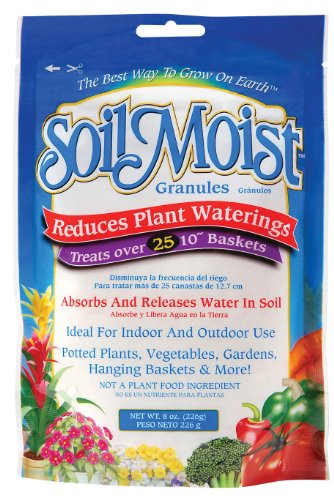
Grow beautiful plants with less water
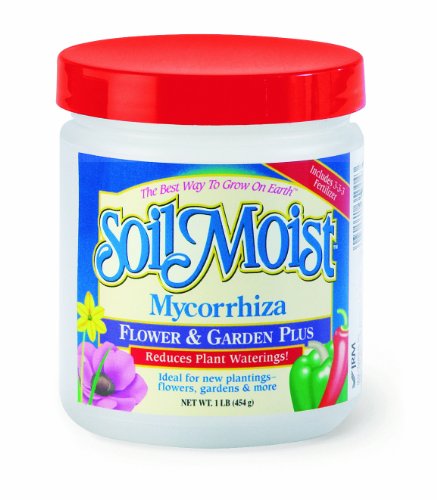
Increases plant establishment

Saves time and labor on plant watering
Soybean Root Depth Influencing Factors
Understanding the factors that influence soybean root depth is crucial for optimizing growth and yield. Various elements, including soil type, moisture levels, and environmental conditions, play a significant role in determining how deeply soybean roots can penetrate. This section delves into these key influences, providing insights for effective soybean cultivation.
Several factors influence how deep soybean roots can grow. Recognizing these can help farmers improve their cultivation practices.
Soil Type: Sandy soils allow for deeper root penetration compared to clay soils, which can become compacted.
Moisture Levels: Adequate moisture encourages deeper root growth. Drought conditions may cause roots to remain shallow.
Nutrient Availability: Nutrient-rich soils promote robust root systems, while nutrient-deficient soils can limit growth.
Optimal Soil Conditions for Soybean Roots
Understanding the optimal soil conditions for soybean roots is crucial for maximizing crop yield and health. This section delves into the specific soil types, moisture levels, and nutrient profiles that support robust root development, ensuring that soybean plants can thrive in various agricultural settings. Proper soil management can significantly influence root depth and overall plant vitality.
Proper soil preparation is essential for maximizing soybean root depth. Farmers should consider the following steps:
Test Soil: Conduct soil tests to determine pH and nutrient levels.
Amend Soil: Add organic matter or fertilizers based on soil test results.
Tillage Practices: Implement minimal tillage to prevent soil compaction and promote root growth.
| Soil Type | Root Depth (Feet) | Moisture Level | Nutrient Content |
|---|---|---|---|
| Sandy | 4-5 | High | High |
| Loamy | 3-4 | Moderate | Moderate |
| Clay | 2-3 | Low | Low |
Optimal Soil Moisture for Soybean Roots
Understanding the optimal soil moisture for soybean roots is crucial for maximizing crop yield and health. Proper moisture levels not only support root development but also enhance nutrient uptake, ensuring that plants thrive throughout their growth stages. This section delves into the ideal moisture conditions that facilitate robust root systems in soybeans.
Maintaining adequate soil moisture is crucial for soybean root development. Farmers should regularly monitor moisture levels to ensure optimal growth conditions.
Irrigation: Implement irrigation systems to supplement rainfall during dry spells.
Mulching: Use organic mulch to retain soil moisture and reduce evaporation.
Drainage: Ensure proper drainage to prevent waterlogging, which can hinder root growth.
Evaluating Soybean Root Depth and Health
Understanding soybean root depth and health is crucial for optimizing crop yield and soil management. This section delves into the factors influencing root growth, including soil type and moisture levels, and provides insights on assessing root health effectively. By evaluating these aspects, farmers can make informed decisions to enhance their soybean production.
Regular assessments of root health can provide insights into soybean plant performance. Farmers should look for the following indicators:
Root Color: Healthy roots are typically white to light tan. Dark or brown roots may indicate disease or poor soil conditions.
Root Density: A dense root system usually correlates with better nutrient uptake and overall plant vigor.
Root Length: Measure root length to assess depth and overall development.
Poor root health can significantly impact soybean yield and quality.
Strategies to Improve Soybean Root Depth
Enhancing soybean root depth is crucial for maximizing crop yield and resilience. By implementing targeted strategies, farmers can promote deeper root growth, which improves nutrient uptake and water access. This section outlines effective methods to achieve optimal root development in soybean plants, ensuring a robust and thriving crop.
Implementing best practices can lead to improved root depth and plant health. Consider the following strategies:
Crop Rotation: Rotate soybeans with deep-rooted crops to improve soil structure.
Cover Crops: Use cover crops to enhance soil organic matter and prevent erosion.
Fertilization: Apply balanced fertilizers to ensure nutrient availability throughout the growing season.
By focusing on these practices, farmers can optimize soybean root growth, leading to healthier plants and better yields.
