

Do you love fresh green beans but don’t know how to grow them yourself? Or maybe you’ve had some success with green beans in the past but want to learn how to get the most out of your plants. Either way, you’ve come to the right place. In this article, we’ll go over everything you need to know about planting green beans, including how deep to plant them.
The ideal depth for planting green beans is 1 to 2 inches.
What is the best way to plant green beans?
Green beans are a versatile and popular vegetable that can be grown in a variety of soil types. However, they perform best in soil with a pH between 60 and 70, which is a range of slightly acidic to precisely neutral. For best results, sow seeds outdoors 1 inch deep in fertile, well-worked soil after the last frost date in spring. With proper care and attention, you can enjoy a bountiful harvest of delicious green beans!
Bean seeds can be damaged if soaked in water for too long, as the lack of oxygen in the water can harm the embryos. It’s better to plant dry bean seeds in a well-moistened furrow or bed.
Recommended Products
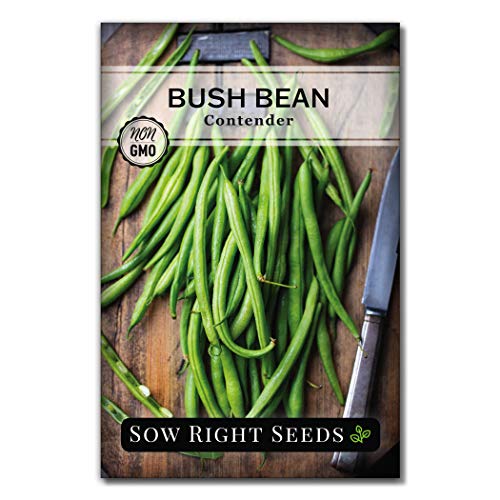
Beautiful - Large premium seed packet of Contender Bush Bean (Phaseolus vulgaris) seeds. Minimum of 16.5g per packet (about 30 seeds). Stringless bush bean that matures early and produces high yields. Adaptable, performing well in short, cool growing seasons or in hot weather. Beans are 5-8" long and retain their flavor when frozen or canned.

PREMIUM VARIETY - Grow your own fresh green beans with Contender Bush Bean Seeds, a trusted garden favorite known for productive plants, tender pods, and excellent flavor. Perfect for backyard gardens, raised beds, and home vegetable growers.
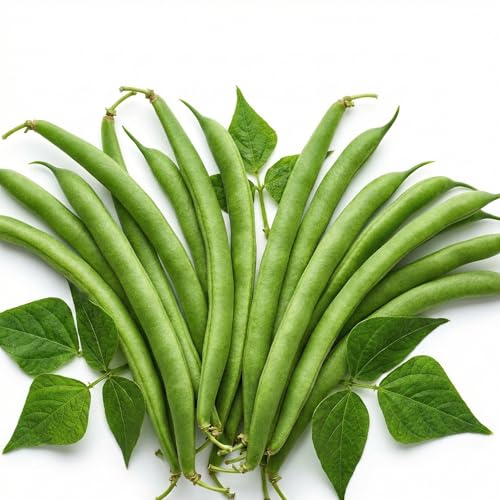
Dependable bush snap bean, Provider green bean (Phaseolus vulgaris); open-pollinated heirloom (released 1966); valued for cooler spring weather performance vs many beans; tender pods for fresh eating, freezing, and canning
How many green bean plants do I need to plant
The average recommendation of bean plants per person for a year’s worth of food is 10 to 20 plants per person. This is going to depend on your growing season, the amount of harvest from your bean, and of course, how much your family actually consumes of that food in a year.
Beans are a great crop to grow in raised beds or directly in the soil. They do best with full sun and moist soil. For most varieties of bush bean, plant 2″ apart and 15″ deep in rows for best growth.
How often should green beans be watered?
Beans need to be watered immediately after planting and then kept moist for the first week until germination occurs. Once beans are established, they usually only need to be watered about twice a week.
If you want a continuous bush bean harvest, stagger your plantings every two weeks. Bush beans usually take 50 to 55 days to mature, while pole beans take 55 to 65 days. Pole beans need their vines to grow, so they will produce for a month or two if you keep harvesting.
Recommended Products

🧑🌾 Jade Bush Bean Seeds – A classic bush-type snap bean that grows compactly without the need for trellising. Plants produce straight, deep green pods with a clean snap and tender texture, making them a dependable choice for fresh picking and kitchen use throughout the summer season.
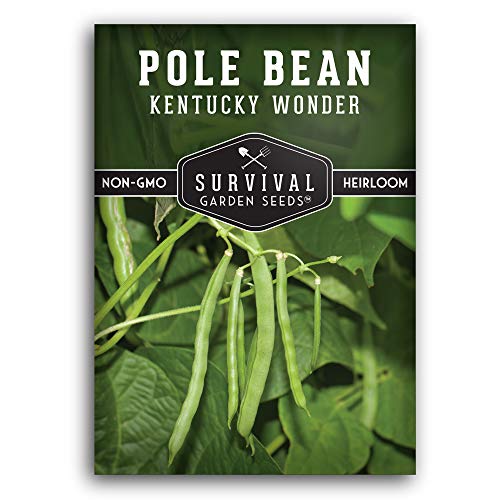
CLIMBING POLE BEANS SEEDS - Kentucky Wonder pole bean (Phaseolus vulgaris) seeds produce vigorous vines that climb trellises, fences, and poles, maximizing vertical space and increasing production in compact garden areas

High Germination Rate: Heirloom seeds sprout in 5–10 days. Ideal greenbeans for USDA zones 3–11, gardens, raised beds, and containers. Blue lake bush bean seeds have been known in the canning industry for years because of its reliability, huge yields and disease resistance.
How many seeds do I need to plant per hole for green beans?
This is a gardening tip for planting seeds. By dropping in two seeds per hole, and making sure they are spaced apart and deep enough, you will increase your chances of success. Sow the first batch of seeds one week before your last expected frost date, then continue sowing every three or four weeks until midsummer. This will give your plants the best chance to thrive.
If you want to plant beans in the spring, the important factor is that the danger of frost has passed. If you want to plant beans in the fall, make sure it is 10-12 weeks before the first expected frost date and it mustn’t be too hot.
Do beans germinate better in light or dark
It is interesting to note that beans will start to grow roots after a few days, regardless of whether they are in the dark or in the light. This demonstrates that light is not necessary for germination.
Green bean plants do not come back every year once they die back in the fall. Though it’s possible for them to live for more than one year in an ideal climate, most people grow them as annuals, and replant them yearly.
What is the easiest green bean to grow?
bush green beans are one of the easiest vegetables to grow, especially if you succession plant fresh seeds every two to three weeks for the longest harvest season. With just a little bit of effort, you can enjoy fresh, home-grown green beans all season long!
It is important to handle plants with care, using both hands to avoid damaging them. Regular harvesting will promote new growth, so it is important to check on plants frequently.
Do beans need full sun
Beans are a great crop to grow in your garden! They do best in loose, well-drained soil with some organic matter and a soil pH of 65. They need full sun — at least eight hours per day — to really thrive. Additionally, beans are frost-tender crops that need warm soils to germinate their seeds. With a little care and attention, your bean plants will produce a bountiful crop of delicious beans!
Beans are allelopathic plants, which means that they produce biochemicals that can inhibit the growth of another plant. They do not do well with members of the onion family, such as onion, leek, chives and garlic. However, beans and carrots complement each other, giving each other nutrients that encourage growth.
Do beans prefer full sun?
Sunlight is one of the most important needs for green bean plants. They need six to eight hours of full sun per day in order to thrive. Without enough sunlight, the plants will not be able to produce the food they need to grow and survive.
However, too much sunlight can be just as harmful as too little. High temperatures can cause blossoms to fall from the plants, which can reduce yields. Row covers can help to protect plants from high heat, ensuring that they get the sunlight they need without being exposed to too much heat.
Beans need to be soaked in water for at least 12 hours to promote germination. Place the beans into a bowl or cup and fill it with water. Then, let the beans soak in the water at room temperature overnight. This will help to soften up the outer shells of the beans and make it easier for the plants to sprout.
Does green beans need fertilizer
A good harvest of green beans requires nitrogen for the plants to grow. Nitrogen is a gas in the air and is converted to a plant-usable form through a process called nitrogen fixation. Once the nitrogen is available to the plant, it can be used to produce chlorophyll, which is essential for photosynthesis. Chlorophyll is what gives plants their green color.
Nitrogen fixation is a process that can be accomplished by bacteria that live on the roots of plants. These bacteria convert the nitrogen gas into a plant-usable form of nitrogen, such as ammonia or nitrates. The bacteria then receive energy from the plant in the form of photosynthesis.
Nitrogen-fixing bacteria are found in the soil and are also present in the root systems of many plants, including green beans. These bacteria help to provide the nitrogen that the plants need to grow.
A good fertilizer for green beans should contain nitrogen, phosphorus, and potassium. These three elements are essential for plant growth and will help to ensure a good harvest of green beans.
Apply OCP eco-aminogro and OCP eco-seaweed every 2-3 weeks to encourage bigger plants and better quality beans. Beans are a type of legume and are able to produce their own nitrogen via special bacteria which live in their roots As such they don’t require a lot of high nitrogen fertilisers.
How many beans do you get from one plant
Crop Number of Plants to Grow
Bean (bush) 5 to 10 per person
Bean (fava) 4 to 8 per person
Bean (pole) 3 to 5 per person
Beet 5 to 10 per person
Broccoli 4 to 6 per person
Cabbage 3 to 5 per person
Carrot 30 to 40 per person
Corn 2 to 4 per person
Cucumber 3 to 4 per person
Eggplant 2 to 3 per person
Kohlrabi 3 to 5 per person
Lettuce 10 to 12 per person
Onion 8 to 10 per person
Pea 8 to 10 per person
Pepper 2 to 4 per person
Potato 5 to 10 per person
Radish 25 to 30 per person
Spinach 6 to 8 per person
Squash 2 to 3 per person
Tomato 2 to 4 per person
Turnip 3 to 5 per person
Watermelon 1 to 2 per person
If you are planning to harvest multiple times from your vegetable garden, you will need to replant certain crops. The number of plants you need to grow will also depend on the amount of people in your family or household. Use the chart above as a guide to help you
Green beans are a great source of vitamins and minerals, and they can be a versatile addition to any meal. Bush green bean plants yield about 1/2 pound per plant, while pole beans yield about 1 pound per plant. Bush beans generally bear faster than pole beans, but for a shorter period of time. Regardless of the type of green bean, they are a nutritious and tasty option to add to your diet.
How tall do green beans grow
Green beans are a versatile vegetable to grow in your garden. They can be planted as a bush or trellised to climb and reach great heights. Bush green beans are easy to pick and do not require much space. Trellised green beans will take up more space but will produce more beans. Choose the type of green bean that works best for your garden space and needs.
This is regarding planting bush beans. You should plant them about 1-inch deep and 2-to-4 inches apart within the row. In drier areas of the state, they may be planted in double-rows with the rows 6 inches apart.
What is the spacing for bean
If you are planting bush beans, plant them 2 to 4 inches apart in rows at least 18 to 24 inches apart. Working with pole beans? Plant this variety of bean 4 to 6 inches apart in rows that are 30 to 36 inches apart.
Crowded plants are not only unattractive, but they can also be magnets for pests and disease. Seedlings that are crowded together will shade each other from the sun, which can impede their growth. As they get larger, the problem only gets worse. Root vegetables that are crowded together, including turnips, beets, and radishes, won’t develop useable roots if they’re Too closely packed together.
Conclusion
The general rule of thumb is to plant green beans about 1 to 1 1/2 inches deep.
Although there are many variables to take into account when planting green beans, a general rule of thumb is to plant them about 1-2 inches deep. This will give them enough room to grow without being too shallow. With proper care, your green beans should thrive and produce a bountiful harvest.
