

You might be wondering if you can grow peas indoors since you have limited space in your yard or live in an apartment. The good news is that you can! Peas are a cool weather crop, so you can plant them as early as late winter or early spring. Just make sure you have a south-facing window for them to get enough sunlight.
Yes, peas can be grown indoors. Peas are one of the few crops that can be grown indoors effectively. They need a lot of light and a warm temperature to grow well, so a south-facing window is ideal. Peas also need a lot of water, so be sure to water them regularly.
Recommended Products

UNIVERSAL ADAPTIVE DESIGN: Includes 4 adapters (2 deep, 2 shallow) at 2 3/4" diameter. Specially engineered flared tops ensure they fit snugly on the lip of most wide-mouth jars

【Features】This microgreen kit includes 2 deep trays (4.2 cm / 1.65 in) for large like peas and sunflowers, and 2 shallow trays (2.5 cm / 0.98 in) for tiny such as basil or kale. This design eliminates guesswork in tray selection, letting you match depth to size for optimal germination rates. Suitable for hydroponic sprouting, the system supports high-yield indoor harvesting without soil or complex equipment.

【What You Get】The seed sprouting kit has 4 clear plastic humidity domes, 4 inner mesh growing trays, and 4 bottom water reservoir trays. Every seed sprouting tray measures 5.9" x 5.9" x 6.7"(LxWxH), and the seedling hole size is 1.2mm.
Do peas grow well indoors?
Yes, you can grow peas indoors. You will need plenty of light and a bit of commitment, but in time you will be able to enjoy fresh pods that you grew yourself.
This plant can grow to be quite tall, so make sure to give it plenty of space. It prefers bright light, but can also tolerate some indirect light. The soil should be moist but well-draining, and the plant should be fertilized regularly. It takes 50-70 days to mature.
How do you start growing peas indoors
To grow peas indoors, start by sowing the seeds indoors in a pot with well-draining soil. Then, provide adequate light and water for the plants, keeping the grow lights on for at least 8-10 hours a day. As the vines grow, add trellis or supports for them to climb. Finally, harvest the shoots and pods when they’re ready. To keep a continuous supply of peas, sow more seeds every few weeks.
Peas are self-pollinating, so you don’t need to help them out by transferring pollen from the male to the female flowers. After the flowers form, it takes about three weeks for the peas to mature and be ready to harvest.
Can peas grow without sunlight?
If you want your peas to thrive, make sure they get six to eight hours of direct sunlight each day. They will still grow in partial shade, but not as vigorously.
Peas are a cool-season crop and need full sun to grow well. They can be grown on a wide range of soil types, but sandy, quick-warming soils favor early planting and harvest. Soils must have ample moisture in order for seeds to germinate.
Recommended Products

Garden Trellis for Climbing Indoor and Outdoor: This 3-pack stackable trellis set provides flexible support for climbing plants in pots. Perfect for both indoor and outdoor use, it helps vine plants grow vertically, turning them into beautiful home decorations while saving space.

Package Includes: you will receive 50 pcs small trellis for potted plants in dark green color, and the trellis can be well hidden in plants without obscuring their beauty; The length of garden trellis is about 10.2 inch/ 26 cm, the upside width is about 6.1 inch/ 15.5 cm, and the underside width is about 2.2 inch/ 5.5 cm

Support for Tall Plant: This trellis kit provides 7.87” support for your tomatoes, peppers and more
Do peas need to climb?
Peas are a type of legume and are therefore a great source of nitrogen for your garden. They come in two heights, bush peas and climbing peas. All varieties of pea will benefit from some kind of support, whether it is a bush or a climbing frame. Bush peas are only 2-3 feet tall but they will flop over on the ground if they don’t have something to climb up. Climbing peas can reach up to 6-8 feet tall and they require a strong trellis to support them. Peas are a cool weather crop and should be planted in early spring. They will be ready to harvest in about 60 days.
If you’re looking for a vegetable to grow in your container garden, peas are a great option. They grow quickly and don’t need much attention but will yield a surprisingly large harvest for a little bit of effort. The must-haves for growing peas are full sunlight and moist soil. With just a little bit of care, you’ll be able to enjoy a delicious crop of fresh peas.
Recommended Products

【Grow Strong, Fast and Smart】 The eSuperegrow Smart Hydroponic Gardening System utilizes professional design for strong growth and superior harvest. Double-layer structure with a built-in water pump design for increased water circulation and more oxygen to improve plant growth. Includes customized high-efficiency grow light with 60-degree lens for more concentrated and efficient light—the plants grow faster and better.
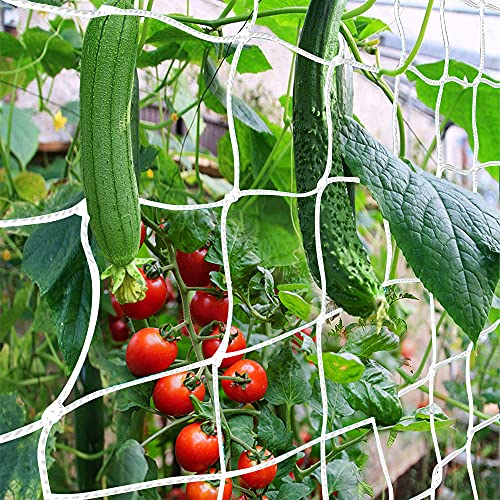
★【Reusable, High-quality, Versatile Trellis Netting】Soft, yet heavy-duty, this plant trellis netting helps plants cling to a smooth surface and will last a couple of years.

Versatile Design: Set of 2 unique mini grid trellises designed to meet a variety of potted plant needs, providing essential structure for your indoor climbing plants. Elevate your vine plants to decorative pieces within your home.
Will pea plants keep producing
Mulching your soil can help keep your pea plants’ roots cool, extending your pea season. Once temperatures start reaching the 80s, however, the pea season will be over. The more you pick your peas, the more new peas will be produced.
Peas are a cool weather crop and will not do well in hot weather. They need about 60 days of growth before harvest, but will stop growing and not produce flowers or pods once temperatures get above 85°F. Peas produced in hot weather may have poor quality.
Can you grow peas in just water?
It’s easy to get started with growing your own greens in water. All you need is a container, some water, and some seeds. Peas and other seeds that will be harvested as young shoots are a great option for this type of growing. Once you have your container and seeds, simply place the seeds in the water and let them sprout. After a few days, you’ll have fresh, nutritious greens to add to salads and other dishes.
When starting peas indoors, be sure to use individual, transplantable peat pots or Jiffy starter cells. This will make it easier to transplant the peas later on. Peas can be direct sown or started indoors 3 to 4 weeks ahead of time. Germination time can be cut down by pre-soaking seeds for 1 to 2 hours prior to planting.
Are peas self-pollinating
Peas are plants that have perfect flowers with both male and female reproductive organs. They are highly self-pollinating and require manual manipulation, including emasculation, to make a controlled cross.
Self-pollination is when the pollen from the anthers on one plant are transferred to the stigmas on the same plant. This can happen naturally, as in the case of pea plants, or it can be done artificially, as in the case of Mendel’s experiments. Self-pollination is not as desirable as cross-pollination, because it can lead to inbreeding and the Fixation of unfavorable traits.
Do peas need to be pollinated by insects?
Some fruit and vegetables need to be pollinated by insects in order for fruits to form. For example, strawberries, apples, and raspberries rely on visiting insects to take pollen from flower to flower – a process known as pollination.
Peas need full sunlight to grow best, but can tolerate some shade. Shade may decrease the chance for some diseases, like powdery mildew, to develop.
Conclusion
You can grow peas indoors, but you will need to provide them with support and plenty of light. Peas do best in full sun, so a south-facing window is ideal. If you don’t have a south-facing window, you can provide artificial light with fluorescent bulbs.
Yes, you can grow peas indoors. All you need is a pot, some soil, and some pea seeds. Peas are a cool weather crop, so they do best in spring or fall. You can start them indoors about 6 weeks before the last frost in spring. Pea plants need sunlight, so make sure to put your pot in a sunny spot. Water your peas regularly, and fertilize them about once a month. Peas are ready to harvest when the pods are plump and green. Enjoy your homegrown peas!
