

When it comes to gardening, many people think horizontal. But what if you could grow your plants vertically? Growing peas vertically is a great way to save space in your garden, and it also makes it easier to keep an eye on your plants and pick the peas when they’re ready. Here’s how to do it.
To grow peas vertically, you will need a trellis, netting, or some other type of support system for your peas to climb. You will also need to plant your peas early in the season, as they take 75-80 days to mature. Once your peas have germinated and have grown to about 6 inches tall, you can start training them to climb. Gently tie them to the support system using pieces of string, yarn, or strips of fabric. Be careful not to damage the stems of your peas. As your peas continue to grow, keep training them to climb until they reach the top of the support. You can then ENJOY your delicious, homegrown peas!
Recommended Products

Trellis Netting Polyester Nylon: Our trellis netting is made of durable polyester nylon materials,strong and durable, not easy to break, reusable,can support extremely heavy crop loads, protect plants from damage, able to grow vertically

Color Black Material Plastic Product Dimensions 72"W x72"H Style Garden,Trellis
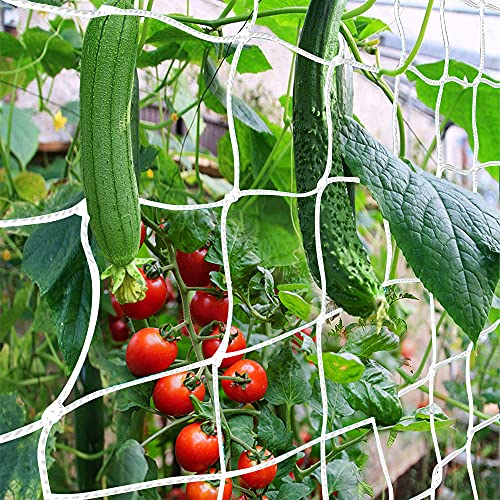
★【Reusable, High-quality, Versatile Trellis Netting】Soft, yet heavy-duty, this plant trellis netting helps plants cling to a smooth surface and will last a couple of years.
How do you keep pea plants upright?
This is a great way to support your pea plants! By placing stakes every few feet behind your plants and stringing a sturdy cotton twine along the middle and tops of the stakes, you will create a support system that is both adequate and aesthetically pleasing. You may find that some of your plants will naturally climb the stakes, but if you prefer a neater look, you can use old farm fencing or chicken wire.
If you want your peas to grow up a tripod trellis or net trellis, simply wrap string or garden twine around it. This will guide the peas in the right direction and help them to avoid breaking, molding, or becoming diseased due to lack of air circulation.
Recommended Products

✅SIZE: 100 FT Length x 5 FT Width, The mesh 5.9 x 5.9 inch. You can cut to any size to fit all kinds of plants.

MELOHO Polyethylene netting is an affordable alternative to traditional wire mesh. UV stabilized Polyethylene is lightweight, practical, and encourages growth.This netting improves air circulation, exposure to the sun, and use of space. This trellis netting ensures that your plants stay healthy, which increases their yield.

Reusable and Versatile: Made of pliable, braided, and heavy-duty polyester, this netting can be used for vertical gardening, horizontal gardening, and A-Frame trellises; It’s long-lasting, reusable, and will support your plants’ growth; You can easily fold it up and store it away after you’re done using it
What is the best way to trellis peas
If you want to grow peas, you’ll need to provide them with a support to climb. Peas have tendrils that they wrap around anything that’s less than about a quarter inch. String, twine, trellis netting or wire mesh with a grid no less than 1″ square all work well. For highest yield, plant peas on both sides of the trellis.
Green peas don’t need a trellis, but pods will be easier to pick when vines are held upright. If you’re using a trellis, insert it prior to planting. Use netting, stakes, and string, a wood frame trellis covered with chicken wire, metal fencing, or a collection of twiggy branches stuck into the ground among the plants.
What is the best support for peas?
Most peas need some sort of support to grow properly. For taller varieties, a trellis, bamboo canes, or netting work well. Smaller varieties can be supported with pea netting or pea sticks.
There are two main types of peas: bush and vining. Vining peas will climb, and bush peas will not. You do not always need a trellis for peas, but it is important to understand the difference between the two types.
Do peas need a lot of water?
Because peas need water to grow, you should try to water the soil around them to a depth of at least one inch each week during the growing season. This will help them to grow well and prevent disease. During dry springs, you may need to water more frequently to keep the soil moist.
While peas require full sun to thrive, they can still grow in partial shade. However, they will not be as vigorous in partial shade as they would be in full sun.
Recommended Products

【Waterproof and Durable】: Our obelisk trellis is made of metal tubes and PE plastic coating, which prevents the tower from rusting, waterproof and able to withstand all kinds of weather conditions, ensuring a long service life.

Garden Trellis for Climbing Indoor and Outdoor: This 3-pack stackable trellis set provides flexible support for climbing plants in pots. Perfect for both indoor and outdoor use, it helps vine plants grow vertically, turning them into beautiful home decorations while saving space.
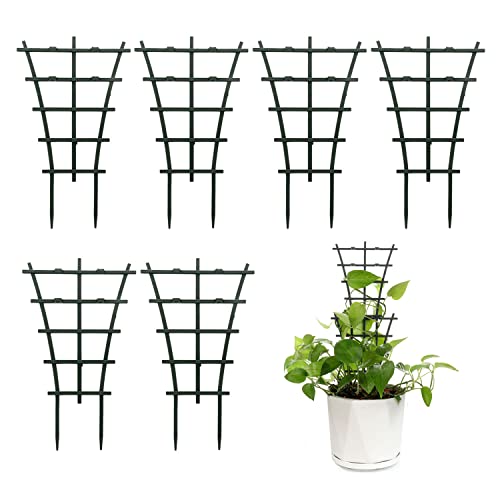
【Upgarded New Version】Our plant trellis is upgraded with high quality new material, increase the weight by 31%, reinforced to be more sturdier, providing stronger support for your potted plants
How many pea pods per plant
This pea plant would have 5 pods and a total of 26 peas. This is more than the average number of peas per pod, so this plant is above average.
This is a method of making a four-leaf clover out of paper. To do this, you will need to tuck the tail of the paper through the top of the floor.
How many rows of peas are on a trellis?
A hoe is a great tool to use when planting a garden. You can use it to create two rows, one on each side of your support structure. The row should be about 1 inch deep. Scatter the seeds at the bottom of the row. Use 4-6 seeds for every foot of row that you are planting.
This pea is a great option for small gardens and containers. It’s a compact variety that only grows to 60cm tall, but yields a good crop of tender pods with up to eight sweet peas inside. Plus, any surplus crops freeze well.
What month do you plant peas
Peas are a type of legume that is often eaten as a vegetable. They can be either fresh or dried, and are often used in soups, stews, and casseroles. Peas are relatively easy to grow, and can be planted either in the spring or fall in most regions.
Select the location of your vegetable garden.
Choose a spot that gets full sun for at least 6 to 8 hours per day. The site should also have well-drained soil.
Mark out the dimensions of your garden with string or garden hose. For a family of four, you will need at least a 20-foot-by-20-foot space.
Double-dig the entire planting area to a depth of 12 to 14 inches. Use a spade to loosen the topsoil in the planting area to a depth of 12 inches. You will be amazed at how much easier it is to work with loose soil.
Now you are ready to plant!
How long do pea plants produce?
allowing the first planting to mature kills the rest of the plant’s productivity.
Peas are generally easy to care for, and don’t require a lot of fertilizing. If you’re growing them in soil, they shouldn’t need any fertilizer at all. If you’re growing them in a container, you can give them a light dose of a fertilizer for fruiting plants, such as 5-10-10, early in their growth.
Final Words
Vertical gardens are a great way to grow peas, especially if you have limited space. Peas are a climbing plant, so they will need some support to grow vertically. You can use a trellis, netting, or chicken wire. Be sure to plant your peas at the base of the support, and give them plenty of room to climb. With a little care, you will have a bountiful harvest of delicious peas!
If you’re short on space or simply want to add some vertical interest to your garden, growing peas vertically is a great option. Peas are a climbing plant, so they will happily grow up a trellis, fence, or even Lawson’s I grow mine up an A-frame ladder. Not only does this save space, but it also makes harvesting a breeze. Be sure to give your peas plenty of water and support as they grow. With a little care, you’ll be rewarded with a bountiful harvest of delicious peas.
