

Radishes are a fast-growing, cool-season crop that can be grown in any region of the country. They can be planted as early as two weeks before the last average frost date in the spring and as late as eight weeks before the first average frost date in the fall. Radishes can also be planted in late summer for a fall crop. The best time to grow radishes is when the weather is cool and the soil is moist.
The best time to grow radishes is typically in the spring. Radishes can be sown as soon as the ground can be worked and frost has passed.
Recommended Products

FALL AND WINTER VEGETABLE SEEDS: 8 non-GMO heirloom varieties for planting vegetables in cool weather gardens, cold frames, raised beds, and containers
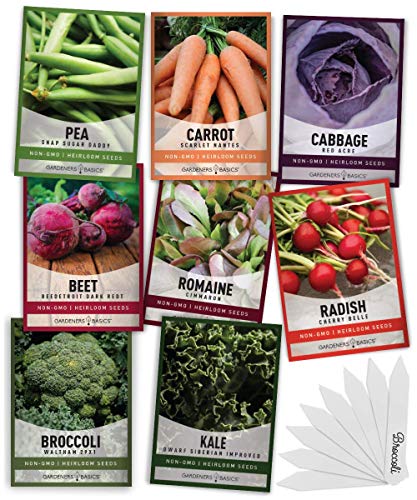
Grow beyond summer: Eight cool-season vegetable varieties for spring and fall gardens, with winter growing in suitable climates or under protection. Match sowing dates to local conditions.

QUALITY - All seeds packaged by Seed Needs are intended for the current and the following growing seasons. All seeds are stored in a temperature controlled facility that is free of significant amounts of moisture.
How long does it take for radishes to grow?
Radishes are a fast-growing crop, which is why they are often one of the first vegetables to be planted in the spring. Depending on the variety, radishes can take anywhere from 22 to 60 days to mature. So, if you want to harvest your radishes at their peak, be sure to check the back of your seed packet for the specific variety you are planting.
Radishes are a great vegetable to grow in your garden! They are easy to care for and only take a few weeks to mature. You can start harvesting your radishes 25-45 days after planting, depending on the variety. Enjoy fresh radishes in salads, on sandwiches, or just by themselves as a healthy snack!
Recommended Products
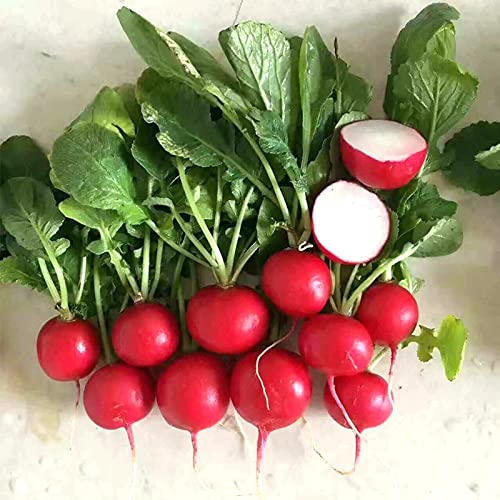
500+ non-GMO heirloom Cherry Belle radish seeds: These seeds are grown from heirloom Cherry Belle radishes, which are known for their crisp, sweet flavor and fast growing qualities. They are also non-GMO, so you can be sure that you are planting seeds that are safe for your family and the environment.
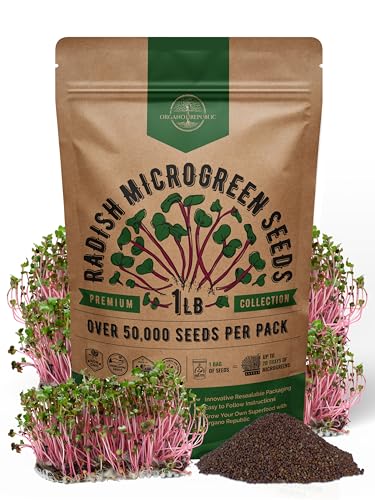
🌿 Huge Value -1lb of Radish Sprouting & Microgreens non-GMO, Heirloom Seeds for planting in soil, coconut coir, garden, aerogarden & hydroponic system. Over 50,000 seeds per pack - ENOUGH TO GROW UP TO 20 10x20 TRAYS of MICROGREENS - LESS THAN $1.25 PER TRAY.

Vegetable seeds variety pack: Grow 35 varieties of leafy greens, root vegetables, tomatoes, peppers, beans, peas, squash, melons, and more. Includes 16,000+ vegetable seeds for planting outdoors in raised beds, garden rows, or containers.
Can you grow radishes all year round
Radishes are an incredibly versatile vegetable that can be used in a variety of dishes. I love growing them in my garden and using them year-round, both for their roots and their greens. They are also perfect for pickling and fermenting.
Radish seedlings usually take three to four days to sprout, but some varieties take a few weeks. Be sure to read your seed packet for more information on the specific variety you are planting.
Do radishes need a lot of water?
Water is essential for the growth of radishes. Without routine watering, the radishes will become pithy. Depending on the soil moisture, the radishes need about one inch of water per week. If the topsoil feels too dry, add an extra inch of water.
Radishes are a fast-growing crop that can be planted in succession to provide a continuous harvest throughout the growing season. One radish seed produces only one radish plant, but each plant produces many radishes. Radishes are a good source of vitamins and minerals, and they can be eaten raw or cooked.
Recommended Products

NUTRIENT-DENSE INDOOR HARVESTS – Grow flavorful microgreens at home in just 7–14 days with this seed variety pack yielding nutrient-rich greens year-round for topping salads, smoothies, sandwiches, and more

Heirloom Non-GMO Seeds: The seeds kit in garden starter kit contains approximately 600 easy grow salad gardening seeds, including Butter Head, Red Cherry Tomato, Mini Cucumber, Romaine, Spinach and Mini Radish. Growing your own vegetables for eating has never been this easy

Superfood Garden in 7 Days: Transform your kitchen counter into a nutrient-dense oasis. Harvest fresh Broccoli, Arugula, Kale, Cabbage, and Radish in just one week-providing up to 40x more vitamins than mature vegetables for your smoothies and salads
What is the quickest growing vegetable?
Radishes, salad leaves, bush beans, carrots, and spinach are all vegetables that grow relatively quickly. Radishes and salad leaves can be harvested in as little as three to four weeks, while bush beans, carrots, and spinach usually take a bit longer, at around 50 days. Nevertheless, all of these vegetables are quite speedy compared to other vegetables, making them ideal for gardeners who want to enjoy fresh produce without having to wait too long.
Radishes are a versatile plant that can be grown alongside a variety of other vegetables. When choosing companion plants for radishes, it is important to consider which plants will be compatible with radishes and which plants will deter pests that might damage the radishes. Some good companion plants for radishes include leafy greens, carrots, and onions.
How many radishes will one seed
You should plant one radish seed per hole if your seeds are new. However, if the seeds are a few years old, you should plant two or three seeds per hole, then thin them later on.
Radishes are one of the easiest vegetables to grow, and they’re ready to harvest in just 30-45 days. They’re a great crop to sow in late August or September, and you can easily base the harvest date on the planting date. Most radishes are mature between 30 and 50 days after sowing.
Do radishes need a lot of sun to grow?
Radishes are a tasty and healthy root vegetable that can be easily grown in any home garden. They prefer full sun but will also do well in partial shade, especially in hot climates. Keep the soil moist and you’ll be rewarded with clusters of mildly peppery roots in next to no time.
Radishes growing only greens is most likely caused by planting too thickly and not thinning about 1 to 2 inches between plants. The lack of development is caused by insufficient space for the radish roots to grow. Radishes are a cool-weather crop and prefer temperatures between 60 and 65 degrees Fahrenheit. Once the weather warms up, the radish plant bolts (blooms) and sets seed.
Do radishes grow better in sand or soil
Radishes are a great vegetable to grow in any garden. They don’t require much space and can be planted in sandy soil or in ground that has been improved with organic matter. loosen the soil and sprinkle a small amount of fertilizer over the surface. Then rake the fertilizer into the soil and you are ready to plant your radishes.
To ensure best results when growing radishes, it is best to sow the seeds little and often for small but continuous harvests. It is important to provide consistent conditions for the radishes to ensure they grow well without any checks to their growth. Radishes can be sown outdoors in the ground, in containers or even in a growing bag. By providing ideal conditions for growth, you can ensure a bountiful radish harvest.
What dirt is best for radishes?
Radishes grow best in light, sandy, well-drained soils. This type of soil allows for even root development and ease of washing after harvest.
Radishes are an excellent garden crop for a number of reasons. They are great at scavenging nitrogen and other nutrients from the soil, and they are also very effective at outcompeting weeds. Additionally, radishes have deep taproots that help to create channels for the roots of following crops.
How do you make radishes grow bigger
Planting radishes too close together will result in smaller, less flavorful roots. Be sure to give them enough space to grow!
Radishes are a cool weather crop and do best when grown in cooler conditions. They are tolerant of cold weather and can withstand some frost. Loosen the soil before planting at least six inches deep, a foot or more for long types. Plant seeds from April through early May, and again in August. Drought stress can cause the roots to develop poor flavor and tough texture.
What happens if you plant radishes too close together
You must either sow seed radishes at uniform spacing or thin them soon after they sprout. Small salad radishes will mature nicely when thinned to 2 inches (5cm) apart, but allow 4 inches (10cm) between big daikons and other storage radishes. This will allow the radishes the space they need to grow properly.
If you want to avoid having radishes that bolt, it’s important to plant them at the right time. For spring, plant them about four weeks before the last frost. For fall, plant them about six to eight weeks before the first frost. This way, they’ll have a chance to grow and mature before the warmer temperatures and longer days of summer arrive.
Why are my radishes all tops and no bottoms
Hi there!
I just wanted to drop a quick note to let you know that if you’re noticing that your radishes are all tops and no bottoms, it’s likely due to too much nitrogen fertilizer. Surprisingly, excessive nitrogen fertilizer can encourage these beautiful radish tops with very little radishes underneath.
Luckily, there’s an easy fix for this – simply cut back on the amount of nitrogen fertilizer you’re using. That way, you should start seeing more radishes with nice, full bottoms!
Artichokes can be a challenge for beginner gardeners because of their climate requirements and a certain pest. The globe artichoke is actually a native of the Mediterranean. They’re grown as perennials in that part of the world.
What vegetables can grow in 2 weeks
In as little as two weeks, you can harvest garden cress, a peppery, tangy-flavored herb. Arugula, pea shoots, radish, mizuna, green onions, baby kale, and baby bok choy can all be harvested within three to four weeks. Make the most of your spring garden with these quick-growing vegetables!
If you’re looking to add some fresh fruits and vegetables to your diet, why not consider growing your own? These six options are known for being high-yielding, so you can expect a bountiful harvest!
Tomatoes are a versatile fruit that can be used in a variety of dishes. From salads to sauces, they add a delicious pop of flavor.
Zucchini is a versatile veggie that can be grilled, roasted, or even made into zoodles (zucchini noodles).
Pole beans are perfect for adding to stir-fries, soups, or pastas.
Cucumbers can be eaten fresh, in a salad, or even pickled.
Carrots are a sweet and crunchy addition to any meal.
Lettuce is a refreshing addition to any salad or wrap.
Final Words
The best time to grow radishes is during the spring or fall seasons.
The best time to grow radishes is in the springtime. Radishes are a cool-weather crop and can handle some frost, so they can be planted as early as a couple of weeks before the last frost date in your area. Plant them in loose, rich soil and water them regularly. You should see radishes ready to harvest in as little as 4-6 weeks.
