

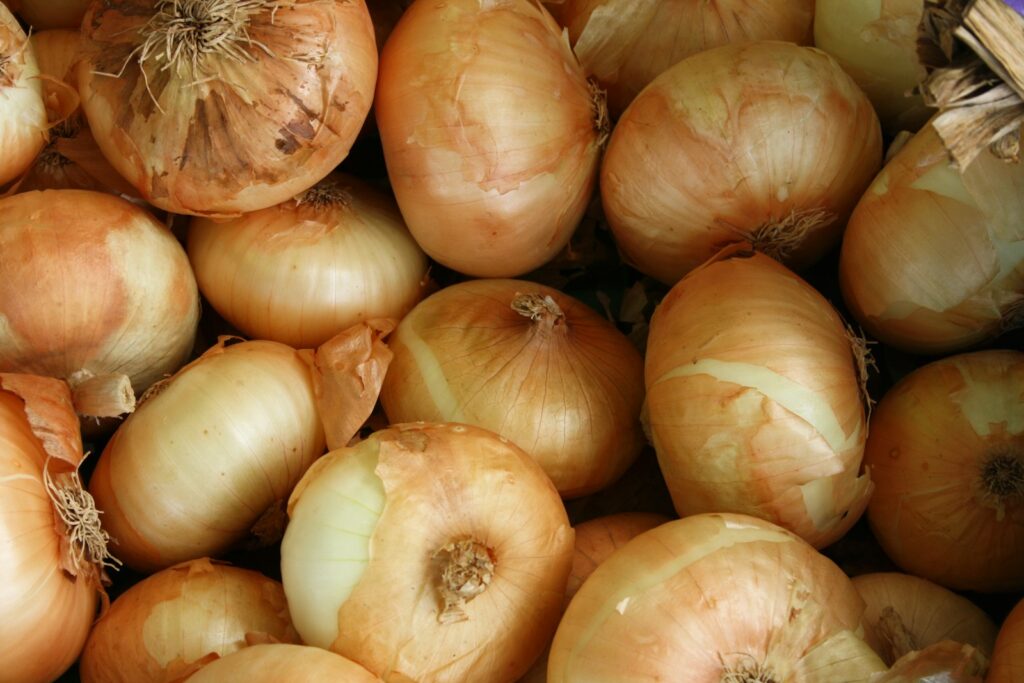
Ever wondered if you can grow a whole onion from just one piece? Picture this: you’re in your kitchen, chopping up onions for dinner, and you stop to think, “Could I plant this whole onion and watch it grow?” It’s a common curiosity that many home gardeners share.
In this article, we’ll explore the possibility of planting a whole onion and the steps you can take to potentially grow your own. By understanding the process and requirements, you’ll discover a simple and rewarding way to experiment with gardening at home. Get ready to learn how you can transform a kitchen staple into a thriving plant with just a little bit of know-how.
Key Takeaways
- Onions can be grown from a single whole bulb by harnessing their natural ability to regenerate.
- Select a healthy, firm onion and soak it before planting to enhance sprouting success.
- Plant the onion with the root side down in well-draining soil and provide adequate sunlight.
- Maintain consistent watering, fertilization, and pest/disease management for a thriving onion plant.
- Harvest mature onions when the tops turn yellow and store them in a cool, dry place for long-lasting freshness.
- Planting whole onions offers cost-effectiveness, educational insights, but requires attention to prevent rot and proper spacing for optimal growth.
Can You Plant a Whole Onion?
Understanding Onion Biology
Onions are fascinating plants that can grow from a single bulb. When you plant a whole onion, you’re harnessing the plant’s natural ability to regenerate and produce more onions. Each onion contains the necessary genetic material and nutrients to sprout into a new plant. By providing the right conditions, you can encourage this process and witness your onion transform from a kitchen staple to a thriving green plant.
Preparing the Onion for Planting
Before you plant a whole onion, it’s crucial to prepare it properly. Start by selecting a healthy, firm onion with no signs of rot or damage. The onion should ideally be a fresh, unpeeled bulb as it contains the necessary nutrients and protective layers for planting. Next, choose a sunny location in your garden or a well-draining pot if you’re planting indoors.
To enhance the onion’s chances of sprouting successfully, you can soak it in water for a few hours to help activate growth. Once soaked, allow the onion to dry for a day or two to prevent any rotting once planted. Finally, plant the onion in the soil with the root side down and ensure the top is slightly exposed. With these steps, you’re set to watch your onion grow into a beautiful plant.
The Planting Process
Recommended Products

ALL-NATURAL MIX: Burpee Organic Premium Potting Mix is formulated with plant food & coconut coir to promote seed & root growth and healthy flower, vegetable & herb plants. OMRI Listed for organic use.

CONTAINS: This organic Seed Stating soil mix is a rich blend of sphagnum peat moss & perlite with yucca extract and lime to ensure correct pH.

Ready to Use - Seed starter mix eliminates the need for complex soil preparation, making it a time-saving and effortless option
Choosing the Right Soil
For successful onion planting, opt for well-draining soil to prevent waterlogging, which can lead to rotting. A mix of garden soil and compost in a 1:1 ratio works well. This combination offers the necessary nutrients onions need without retaining excess moisture. Ensure the soil is loose and not compacted to allow the onion roots to spread easily.
- Selecting the Onion: Choose a firm, healthy onion with no signs of spoilage or soft spots. Larger onions have more stored energy for growth.
- Preparing the Onion: Trim the roots if present, leaving the basal plate—the part where roots develop—intact. Also, retain the top part of the onion for better growth.
- Soaking and Drying: Submerge the onion in room-temperature water for a few hours to hydrate it before planting. Let it dry for a day or two to reduce the chances of rot.
- Planting Depth: Make a small hole in the soil for the onion, ensuring the basal plate faces downward. Place the onion 1-2 inches deep in the soil.
- Spacing: Plant onions at least 4-6 inches apart to give them ample room to grow and access nutrients.
- Watering: Keep the soil moist but not waterlogged. Onions need consistent, moderate watering.
- Sunlight: Plant the onion in a sunny location or use grow lights if indoors. Onions require full sun for about 6-8 hours daily.
- Maintenance: Remove weeds regularly to prevent competition for nutrients and keep an eye out for pests or diseases.
- Harvesting: Onions are ready to harvest when the tops turn brown and start to fall over. Pull them out gently and let them cure in a dry, ventilated area.
By following these planting steps and providing proper care, you can enjoy the process of watching your kitchen staple transform into a thriving onion plant right at home.
Caring for Your Onion Plant
Recommended Products
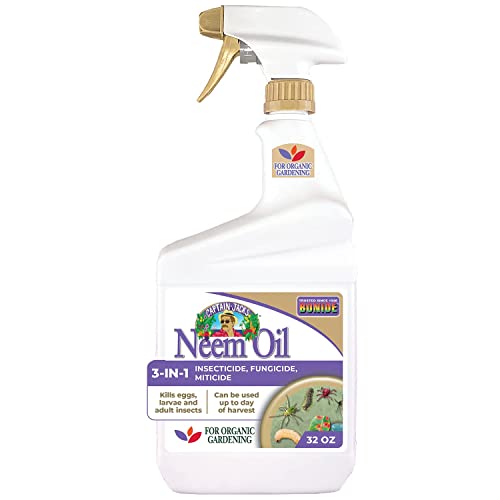
Protect your oasis with 3 garden products in 1 from Captain Jack’s; Bonide Captain Jack’s Ready-to-Use Neem Oil spray for plants is a multi-purpose fungicide, insecticide and miticide for your lawn & garden

FUNGAL DISEASE CONTROL: Prevents and controls black spot on roses, powdery mildew, rust, downy mildew, and other listed fungal diseases when applied on a 7–14 day schedule

PLANT DISEASE CONTROL: Natria Neem Oil acts as an insecticide and fungicide in one convenient spray; Ready-to-use trigger sprayer requires no mixing
Watering and Fertilization
When it comes to watering your onion plant, consistency is key. Make sure the soil is evenly moist but not waterlogged. A good rule of thumb is to water the plant when the top inch of soil feels dry. During hotter months, you may need to water more frequently to prevent the soil from drying out.
Fertilizing your onion plant can help promote healthy growth. Opt for a balanced fertilizer with equal parts nitrogen, phosphorus, and potassium. Start fertilizing when the plant has developed a few leaves, and continue every two to three weeks during the growing season. Be cautious not to over-fertilize as this can lead to excessive foliage growth at the expense of bulb development.
Pest and Disease Management
Keeping an eye out for pests and diseases is crucial for the well-being of your onion plant. Common pests that may target onions include onion thrips, onion maggots, and aphids. To deter pests, consider planting companion plants like garlic or chives that naturally repel them.
In terms of diseases, onion plants are susceptible to fungal infections such as white rot and downy mildew. Proper spacing between plants, adequate air circulation, and avoiding overhead watering can help prevent these issues. If you notice any signs of pest infestation or disease, promptly remove affected leaves or use organic solutions like neem oil to address the problem.
By maintaining a consistent watering schedule, providing appropriate fertilization, and staying vigilant against potential pests and diseases, you can ensure your onion plant thrives and yields a bountiful harvest.
Harvesting and Storing Onions
Recommended Products

5 Pack Multipurpose Net Produce Bag for Home RV Camper Storage: breathable and hanging storage mesh bag can be used as potatoes bag, tomatoes bags, onion bags, ginger storage bags and could be hang anywhere at your home. These net bag can also be used as a kitchen garbage bag organizer and plastic waste bag storage. Great for RV camper storage accessories
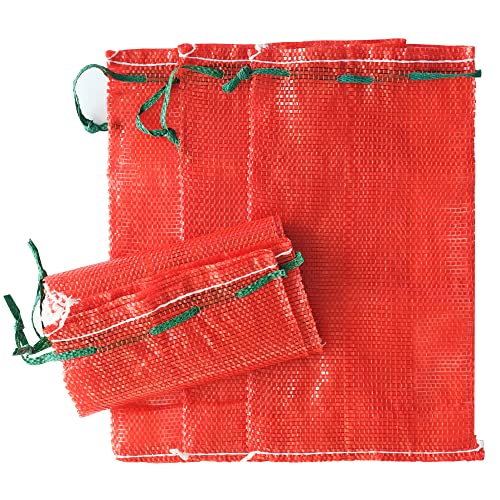
TIGHTLY WOVEN: The 11"×18" mesh bag is made of high quality polypropylene with reinforced seams for added strength. The tightly woven mesh also makes them ideal for packaging crawfish and seafood

LARGE CAPACITY: 10 PACK. Each bag size is 21 x 32 inches and can hold up to 60 lbs. Designed with built-in drawstring closes the bag quickly, so you could use it as a keeping sack for onion, garlic, corn, potato
Signs of Maturity
To determine when your onions are ready for harvest, look for several key signs. When the tops of the onions turn yellow and start to flop over, it’s a good indication that they are mature. Additionally, gently press the tops to check if they feel soft, another signal that the onions are fully grown. You can also observe the necks of the onions; a tight, dry neck indicates maturity. Once you notice these indicators, it’s time to start the harvesting process.
Harvesting Techniques
When it’s time to harvest your onions, gently loosen the soil around them to avoid damaging the bulbs. Carefully lift the onions from the ground and lay them out to dry in a warm, well-ventilated area with good sunlight. Allow the onions to dry naturally for a few days until the tops are completely withered. After drying, remove any remaining soil and trim the roots and tops to about an inch. Proper harvesting ensures the onions stay fresh longer.
Storage Tips
For optimal storage, keep harvested onions in a cool, dry, and well-ventilated place. Choose a location with good air circulation to prevent mold and decay. You can store onions in mesh bags, pantyhose, or even individually wrapped in newspaper to maintain their freshness. Avoid storing onions near potatoes since the gases they emit can cause each other to spoil more quickly. By following these storage tips, your home-grown onions can last for several months.
Advantages of Planting Whole Onions
Cost-Effectiveness
Planting whole onions can be a cost-effective way to grow your onion supply. By using whole onions for planting instead of sets or seeds, you can potentially save money on buying additional planting materials. Whole onions are readily available in grocery stores and can sprout new growth when planted, extending your onion harvest without the need for extra purchases.
Educational Opportunity
Opting to plant whole onions offers you a valuable educational opportunity. Watching a whole onion transform into a thriving plant can provide insights into the growth cycle of onions and enhance your gardening knowledge. This hands-on experience can deepen your understanding of plant development and cultivation practices, making it a rewarding educational journey for any gardening enthusiast.
Potential Challenges
Rot and Decay
Onions can be susceptible to rot and decay if not planted correctly. To prevent this issue, ensure that the soil has proper drainage to avoid waterlogging, which can lead to root rot. You can improve drainage by adding compost or organic matter to the soil before planting. Additionally, be cautious not to overwater your onion plants, as excessive moisture can promote fungal diseases that cause rot. Monitoring the moisture levels in the soil is essential to prevent rot and decay.
Space Requirements
Another challenge you may face when planting whole onions is space constraints. Onions require adequate spacing to grow effectively and prevent overcrowding, which can lead to smaller bulb development. When planting whole onions, make sure to space them at least 4-6 inches apart to allow sufficient room for each plant to thrive. Proper spacing not only promotes healthy growth but also reduces the competition for nutrients, water, and sunlight among the onion plants. Be mindful of the space requirements to optimize the growth of your whole onion crop.
Conclusion
Planting whole onions can be a rewarding and cost-effective way to grow fresh produce at home. By following the right planting techniques and maintenance practices, you can enjoy a bountiful harvest of flavorful onions. Remember to pay attention to soil moisture levels and provide adequate spacing for healthy growth. With proper care and attention, you can avoid common challenges like rot and decay, ensuring a successful onion crop. Embrace the educational benefits of planting whole onions and enjoy the satisfaction of growing your own food. With the tips provided in this article, you’re well-equipped to start your onion-growing journey and savor the fruits of your labor. Happy planting!
Frequently Asked Questions
What kind of soil should I use for planting onions at home?
For planting onions at home, use well-draining, fertile soil rich in organic matter. Sandy loam or loamy soil with a pH level of 6.0 to 7.5 is ideal.
How deep should I plant onion sets or onion transplants?
Plant onion sets or transplants about 1 inch deep in the soil. Ensure the bulb’s top is level with the soil surface.
How often should I water my onions?
Water onions regularly, providing about 1 inch of water per week. Adjust watering frequency based on soil moisture and weather conditions.
How much sunlight do onions need?
Onions require full sun exposure, which typically equates to 6-8 hours of direct sunlight daily for optimal growth.
When and how should I harvest my onions?
Harvest onions when at least 50% of the tops have fallen over naturally. Lift them gently with a fork, and allow them to dry before storing.
How can I store home-grown onions for long-term use?
Cure harvested onions in a warm, dry, well-ventilated area for 2-3 weeks. Once dry, store them in a cool, dry place with good air circulation.
