

Growing celery can be a tricky endeavor, but it doesn’t have to be.
If you’re looking to add celery to your garden, you might be wondering if it’s too difficult. Or maybe you’re already growing celery, but aren’t sure how to get the best results.
In this article, we’ll discuss the basics of growing celery and provide tips on how to make it as easy as possible. We’ll look at the kind of soil and climate that works best for growing celery, as well as how often it needs to be watered and fertilized. We’ll also discuss when to harvest and how to store it for maximum freshness.
By understanding the ins and outs of growing celery, you can ensure your success and enjoy a wonderful harvest.In order to grow celery, you will need to provide a cool and moist environment with plenty of sunlight, fertile soil that is high in organic matter, and regular watering and fertilizing.
How Long Does it Take to Grow Celery?
Celery is a popular vegetable crop, and can be grown either from seed or from transplants. Depending on the variety and growing conditions, it can take between 45 and 120 days for celery to reach maturity. When grown from seed, the time to maturation will be longer than when grown from transplants.
When starting celery from seed, allow four to six weeks before transplanting outside in the garden or containers. This is because celery seeds need a long period of cold stratification in order to germinate properly. After transplanting, it will usually take another 40 to 70 days for the plants to reach maturity.
When growing celery from transplants, allow two weeks for them to become established before transplanting outside in the garden or containers. This should be done after all danger of frost has passed and the soil temperature has warmed up sufficiently. Once planted out, it will usually take another 30 to 50 days for the plants to reach maturity.
In both cases, taking into account the time needed for germination or establishing transplants, most varieties of celery will reach maturity within 45-120 days of planting out in the garden or containers. If you are looking for an earlier harvest, look for fast-maturing varieties such as ‘Golden Self-Blanching’.
Celery Growing Conditions
Celery is a versatile vegetable that can be grown in many different climates. It does, however, require certain conditions to thrive. Optimal growing conditions for celery include full sun, consistent moisture, and cool temperatures.
In order to get the best yield from your celery plants, they should be planted in warm soil that is well-drained. Celery prefers soil that is moderately acidic with a pH of 6.5 to 7.5, and rich in nitrogen, potassium and phosphorus. The soil should also be kept evenly moist throughout the growing season, as celery does not tolerate drought conditions very well.
When it comes to temperature, celery does best when it’s grown in cooler climates with temperatures between 60 and 70 degrees Fahrenheit (15-21°C). If temperatures get too hot during the summer months, you may need to provide some shade for your plants or move them indoors until the weather cools down. Celery also requires six to eight hours of sunlight each day in order to grow properly and produce healthy stalks.
Finally, fertilizing your celery plants regularly will help ensure they stay healthy and productive throughout the growing season. Use a balanced fertilizer with a ratio of 10-10-10 or 5-10-5 applied every four weeks once the plants have begun to form stalks. Avoid over fertilizing as this can damage the plants and reduce yields.
Overall, with proper care and maintenance, you can easily grow healthy celery plants in most climates with no problems!
Recommended Products

Kindly NOTE: This soil tester can not be applied to test pH value of any other liquid. If the soil is too dry the indicator will not move, and water it before testing.

Application: Ideal for residential or commercial use, water, pool, spas, liquid food, laboratory, aquaculture and hydroponics
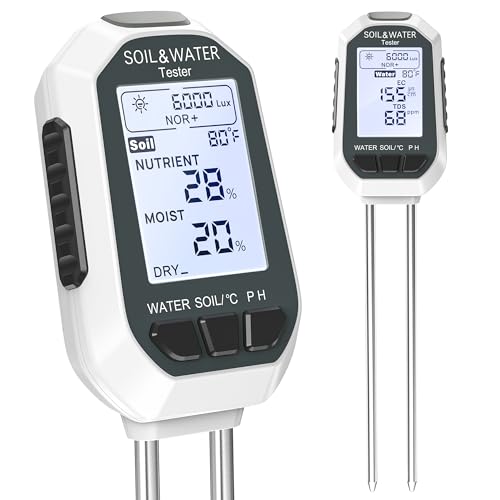
【7-in-1 Features】This is a 7-in-1 multi-function soil tester. Our soil tester quickly measures soil moisture, pH, temperature and light intensity, and its fertility function helps you take better care of your plants. With this device you can measure the soil moisture, pH, temperature and light intensity for your plants and with the EC and TDS functions you will know when it is time to water the soil.
Is Growing Celery Difficult?
Growing celery can be a tricky task, as it requires specific conditions to thrive. It needs full sun, consistent moisture, and plenty of organic matter in the soil. The soil should also be slightly acidic for optimal growth. Additionally, celery is sensitive to cold temperatures and grows best in climates with mild winters and warm summers. Celery is also a long-season crop, taking up to four months to reach maturity. All of these factors can make growing celery a difficult endeavor for some gardeners.
In addition to environmental factors, pests and diseases can make growing celery difficult. Celery is prone to several insect pests such as aphids, cutworms, and cabbage loopers. Fungal diseases such as downy mildew and black root rot can also cause problems with celery crops. To prevent these issues, gardeners should practice good crop rotation and use organic pest control methods when possible.
Despite the challenges of growing celery, it is possible for even novice gardeners to have success with this crop if they provide the necessary conditions and take preventative measures against pests and diseases. With a little patience and care, anyone can learn how to grow healthy celery plants that will produce an abundant harvest of crunchy stalks for salads or soups!
Should I Use Fertilizer When Growing Celery?
If you’re wondering whether or not you should use fertilizer when growing celery, the answer is yes. Fertilizing is essential for healthy growth and development of celery plants. Without it, the plants will be weak and produce smaller stalks.
The best time to fertilize celery is when planting and then every few weeks thereafter. A balanced 10-10-10 fertilizer should be used as it contains all the essential nutrients needed for optimal growth. Make sure to follow all instructions on the label for proper application.
It’s also important to keep the soil pH between 6.5 and 7.5, as this will ensure that the nutrients in the fertilizer are readily available to your celery plants. Adding compost or other organic matter to the soil is a great way to achieve this balance and provide additional nutrients at the same time.
Finally, make sure you’re providing your celery plants with adequate water, especially during dry periods. While too much water can cause root rot, too little can cause stunted growth or wilting of leaves. Check your soil regularly and adjust your watering schedule accordingly.
In summary, using fertilizer when growing celery is essential for healthy growth and development of your plants. Make sure to use a balanced 10-10-10 fertilizer and check soil pH levels regularly to ensure optimal results. Don’t forget to provide adequate water as well!
Is Watering Essential for Growing Celery?
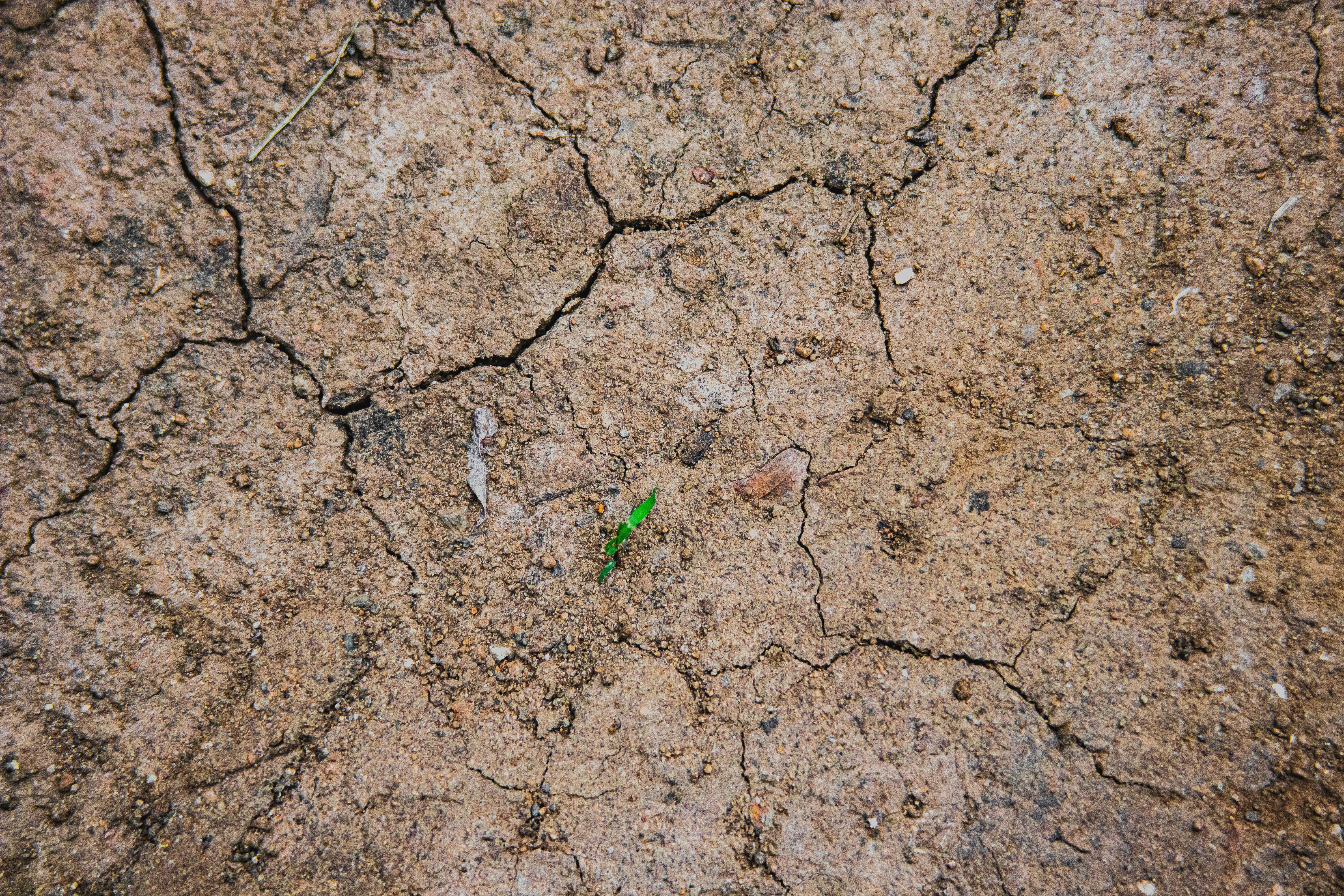
Watering is essential for growing celery, as it helps to keep the soil moist and encourages the development of healthy roots. Without adequate water, celery plants can experience stress due to lack of moisture and may not reach their full potential. It is important to provide a consistent amount of water throughout the entire growing season in order to ensure that the celery plants are receiving enough moisture and nutrients. This can be accomplished by providing regular deep watering sessions and supplementing with light mistings in between. In addition, it is also important to make sure that the soil has adequate drainage in order to prevent root rot or other issues caused by too much water. If you are growing celery in a container, be sure to check the soil regularly and add additional water when needed. With proper care, your celery plants will thrive!
Recommended Products

Accurate Soil Moisture Detection: The XLUX Soil Moisture Meter can tell you if the soil deep inside your pot or garden is dry, moist or wet; whereas your eyes and fingers can only determine the moisture level of the soil surface. The probe is 5.5 inches (14 cm) longer than regular styles, allowing it to measure the soil moisture at the bottom of larger and deeper flower pots.

【Adjustable Viewing Angles】: Say goodbye to bending or kneeling to check your plant’s moisture level. This soil moisture meter features adjustable viewing angles (0°/30°/60°/90°), allowing you to rotate the dial to your most comfortable reading position. Perfect for low-hanging planters, ground-level flower beds, or raised garden boxes.

【Soil Moisture Meter】 This single probe soil moisture meter is clear reading dashboard with arrow pointer, wide scale interval and large number. it is specially designed for testing the moisture level in the soil, helps you decide whether the plants need water or not, helps to keep plants alive.
What Type of Soil is Best for Growing Celery?
Celery is a popular vegetable that can be grown in many different types of soil. However, the best type of soil for growing celery is a rich, well-draining loam. This type of soil holds moisture and nutrients well, while also providing good drainage to prevent root rot. It should also have a pH between 6.0 and 7.5, which is slightly acidic. Adding compost or aged manure to the soil can help improve its fertility and structure.
For growers in drier climates, using a raised bed with organic matter such as compost or aged manure can help improve the soil’s ability to retain moisture and nutrients. In addition, growing celery in containers can help create an ideal environment for the plant as it prevents waterlogging and allows for better control over soil quality.
It’s important to keep the soil evenly moist throughout the growing season as celery requires consistent moisture levels to thrive. Mulching with organic matter such as straw or bark chips can help regulate temperatures and conserve moisture levels in the soil. As plants mature, they will need occasional fertilizing with an all-purpose fertilizer that contains nitrogen, phosphorus, and potassium to ensure healthy growth and good yields.
Overall, celery prefers a rich loam that is well-aerated and retains moisture without becoming soggy or waterlogged. Adding organic matter such as compost or aged manure to the soil will improve its fertility and structure while mulching helps conserve moisture levels between watering sessions. Finally, applying fertilizer regularly throughout the growing season will provide your celery plants with essential nutrients needed for healthy growth and good yields.
Do I Need Sunlight to Grow Celery Successfully?
Yes, celery does need sunlight in order to grow successfully. This is because celery is a light-loving plant and needs at least 4-5 hours of sunlight per day in order to thrive. Without enough sunlight, the celery will not be able to photosynthesize properly, meaning the leaves won’t be able to produce food for the plant. In addition, the lack of sunlight can cause the celery stalks to become weak and thin.
When growing celery, it is important to make sure that it is given plenty of direct sunlight each day. It is best to plant celery in a location that gets full sun for at least 4-5 hours per day. If you live in an area with short days or not much sun, then you may want to consider supplementing your celery plants with some artificial lighting. Artificial lighting can help ensure that your plants get all the light they need to grow and produce healthy stalks of celery.
In addition to providing your plants with enough light, it is important to make sure they have adequate water and nutrients as well. Celery needs plenty of water, as well as a balanced fertilizer with adequate nitrogen and phosphorus levels. If you are unsure about how much fertilizer or water your plants need, then it is best to consult a local gardening expert for advice on how best to care for your specific type of celery plants.
Recommended Products

FULL SPECTRUM & NATURAL LIGHT: A19 full spectrum grow light appears 4000K white to eyes but has a red/blue light spectrum. Same as natural sun shine, perfect for tomatoes, cucumbers, peppers, leafy greens and herbs at all growth stages.
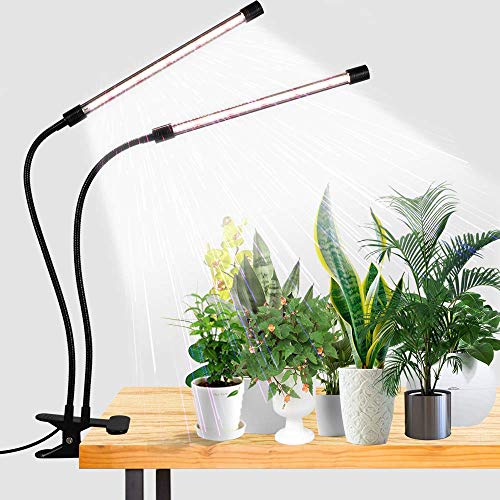
6000K White Light - equipped with 10 Red + 74 White LEDs, this growing Lamp is similar to the full-spectrum sunlight at noon,that is professionally designed for indoor garden plants.Moreover, its color rendering index is as high as 95, the light is soft and flicker-free, which is very suitable for reading lamp
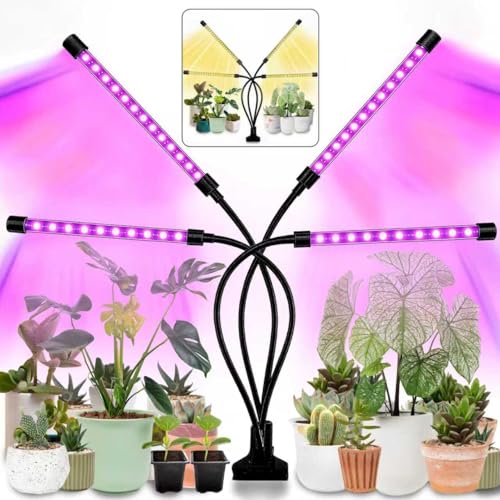
🌻Efficient LED Combination: This LED lamp has grow lights made up of 80 efficient growing LEDs ( 32 red lights, 12 blue lights,20 yellow lights and 16 white lights). It meets the conditions of plant growth without sunlight. 1--Full Spectrum(380nm-800nm): Suitable for all plants to root and sprout. 2--Red(660nm)+BLUE(460nm) Spectrum: for blooming and fruits. 3--Red+Blue+Full Spectrum: A mix of Red+Blue+Warm White is best to fuel the growth of your plants.
Conclusion
Celery is not a difficult vegetable to grow, especially if you are familiar with its growth needs. It does require a great deal of patience and careful attention to detail, but with the right environment and care, it can be a wonderful addition to any garden. While growing celery requires more effort than some other vegetables, the rewards can be well worth it. Not only is it an attractive addition to any garden, but also it provides delicious flavor and nutrition. With the right conditions and care, anyone can successfully grow celery in their garden.
In conclusion, celery is not as hard to grow as some people may think. With a little know-how and dedication, anyone can achieve success in growing this tasty vegetable in their own garden.
