

There’s something about finding a potato with a small green sprout growing out of it that can be disconcerting. You may wonder if it’s still safe to eat. After all, the potato is a root vegetable, and it’s been growing in the dark, so who knows what kind of chemicals or other yucky stuff could be on it?
There’s no simple answer to this question since it depends on a few factors, such as how the potato is being stored and how long the sprouts have been growing. In general, however, potatoes that have sprouted are no longer as fresh as they once were and may not be as flavorful. Additionally, the sprouts themselves are NOT edible and should be removed before consuming the potato.
Recommended Products

【All-in-One Sprouting Kit】Most sprout growing kit sell dual packs; our single kit delivers better value for affordable home sprouting fun. Contents: 950ml Mason jar, mesh sprouting lid, angle-adjustable stand, blackout sleeve.

UPGRADE YOUR HEALTHY LIFESTYLE: Become a nature-inspired maker by growing your own microgreens. It’s a simple and affordable way to add fresh, organic ingredients to your diet. With our sprouting lids, you can enjoy a constant supply of fresh, nutritious greens, all while saving money.

TRANSFORM A WIDE MOUTH MASON JAR INTO A HOME SPROUTING JAR: Our sprout kit has all the supplies for germination of all types of sprouts, from alfalfa to broccoli and lentil. With our sprouter kit you'll receive 2 Bean Screen lids and two sprout packs.
Is it OK to eat potatoes that are sprouting?
Sprouted potatoes are safe to eat, but you should remove the sprouts before eating them. The sprouts can be unsightly and may not taste good.
1. Bake the potatoes and freeze them for later use.
2. Cut the potatoes into small pieces and fry them up as hash browns.
3. Freeze the potatoes in their whole form for home fries at a later date.
4. Boil the potatoes and make mashed potatoes. Eat them now or freeze for later.
5. Put the potatoes in a soup or stew.
6. Cut the potatoes into thin slices and roast them in the oven.
7. Peel the potatoes and make potato chips.
Recommended Products

Easily Peel Potatoes, Apples, and Tough-Skinned Fruit: The swiveling twin blades with flexible action make this much more than just a potato peeler, it's about to be one of your kitchen essentials. Easily tackle all manner of tough-skinned produce.

Versatile Peeling: Safely peel a wide variety of fruits and vegetables, from potatoes to kiwis and everything in between.

Smooth, Effortless Peeling - Swiveling twin blades with flexible action easily peel potatoes, apples and other tough-skinned fruits and vegetables
When should you throw out potatoes
Raw potatoes that are firm to the touch with tight skin that is free of large bruises, black spots, or other blemishes are the best to eat. If a potato has become soft or mushy, you should throw it out. Though it is normal for potatoes to smell earthy or nutty, a musty or moldy odor is a hallmark of spoilage.
If your potatoes are soft, it may just be a sign of dehydration. If they’re extremely mushy or shriveled, however, it’s time to toss them. Small sprouts can be removed with a vegetable peeler or knife. If the potato has large or long sprouts, it’s past its prime and should be discarded.
Why did my potatoes grow sprouts?
Potatoes are an incredibly versatile and hearty vegetable, and one of the things that makes them so great is that they’re very easy to grow. All you need is a potato, some water, and a bit of time, and you can have a whole crop of potatoes sprouting in no time.
There are a few reasons why potatoes sprout. One is that they’re trying to reproduce. potatoes are full of little potato seeds, called “eyes,” which are basically just miniature potato plants. When the conditions are right, those potato seeds will start to grow, and the potato will sprout.
Another reason potatoes sprout is simply because they’re alive. Potatoes are living things, and like all living things, they need to grow and change. When potatoes are stored in the right conditions, they will start to put out little sprouts, which are the first step in their growth process.
So, why do potatoes sprout? There are a few reasons, but ultimately it comes down to the fact that potatoes are living things that need to grow. If you have a potato that you want to keep from sprouting, the best thing to do is to keep it in a cool, dark place where it won’t have access to
In moderate or cold climates, potatoes can stay in the ground until the soil freezes in late fall or early winter. Some folks have success heavily mulching (with mulch like straw, wood chips, or shredded leaves) the patch to keep the soil from freezing and dig potatoes all winter long. This method can provide a steady supply of fresh potatoes throughout the winter months.
What does it mean when potatoes grow sprouts?
When a potato begins to sprout, the starch inside the potato converts to sugars enabling the sprout/plant to grow If the potato is still in good shape and is firm, it is fine to prepare as usual and it still has most of its nutrients. Just cut off the sprout before cooking.
This is great news for anyone who loves potatoes and wants to grow their own crop! All you need is one sprouted potato to get started. With a little care and attention, you can have a potato patch in no time.
Recommended Products
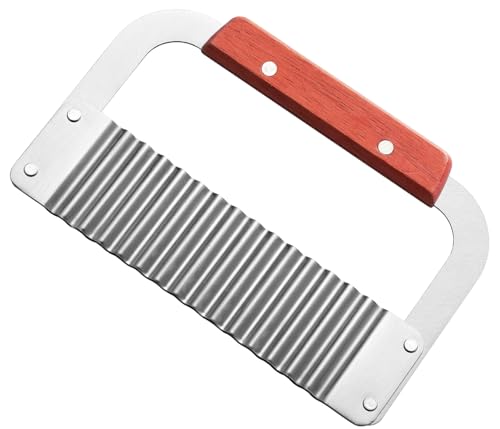
【Anti-Rust Material】: Made of 430 stainless steel, not easy to rust, strong, and not easy to deform.

3-In-1 Versatility: Effortlessly julienne, slice, and dice vegetables with one multi-functional tool.

Effortless Spiral Creations: Transform ordinary vegetables into fun, eye-catching spirals with our piranha spiral cutter. Perfect for making curly fries, zucchini noodles, and decorative garnishes that will impress your family and guests
What happens if I don’t dig up potatoes
If you don’t harvest potatoes when the plant dies back, a couple things could happen Most likely they will rot if the soil is wet, or they’ll die once the ground freezes But if you live in a warm and dry enough climate, any tubers that survive over the winter will sprout again in the spring.
Pick storage potatoes when the foliage has turned yellow and begun to dry, often after a frost. At this point they have reached maturity. Store in a cool, dark, and dry place. They will keep for several months. Enjoy tender new potatoes from late June through August!
What happens if you dig up potatoes too early?
If you dig your potatoes too early, you won’t get a very good crop. You also risk damaging the plant and its root system. If you wait too long, the potatoes may get damaged by frost or start to sprout, crack or rot underground.
The key to storing potatoes so they last is to keep them in a cool, dry place. An ideal temperature for potatoes is 45-50 degrees Fahrenheit. The fridge is too cold for potatoes and can cause them to turn green, develop soft spots, or sprout prematurely. The best place to store potatoes is in a cabinet in the pantry, in a paper bag or cardboard box.
How do I keep potatoes from sprouting in my pantry
The key to keeping potatoes fresh is to store them in a cool, dark place, away from onions, bananas, or other fruit.
Fall is generally a good time to plant potatoes, as long as the soil temperatures will stay cold enough. Soil temperatures should be 8 inches (20 cm) below the surface and below 48°F (9°C). Once the soil temperatures start to rise above 50°F (10°C), the potato tubers will start to grow.
Do potato plants come back every year?
Potatoes are easy to miss at harvest time, but they can survive winter and produce new plants the following season. This makes them seem like they are perennial.
When using a garden fork, you typically don’t damage your tubers as much. This is because the fork is sturdier and can more easily penetrate the ground.
What happens if you plant a whole potato
When planting potatoes, it is best to use smaller ones that are the size of a golf ball or smaller. Larger potatoes will result in massive plants that struggle to produce good sized tubers. So, it is best to cut larger ones up into several pieces first for the best results.
If you give your potato plants the ideal amount of care and choose a high-yielding variety, you can expect to harvest 5-10 potatoes per plant. Yields may vary depending on factors like plant variety, growing conditions, and how well the plants are cared for.
How deep do you dig for potatoes
When the plants finish flowering, dig around the edges of the plant with a garden fork and lever up the bundle of potatoes to expose them. You’re less likely to cut the tubers if you use a garden fork instead of a shovel. Typically, the potatoes are about 4 inches to 6 inches deep in the soil.
This is to inform you that potatoes should be stored in cool conditions but never in the fridge or freezer. If the potatoes are stored too cool they will turn sweet and not store for very long. The best temperatures for storing potatoes are in the range 5°C to 8°C / 40°F to 45°F For the average gardener these “ideal” temperatures are hard to achieve.
Why does an apple stop potatoes from sprouting
Designer Jihyun Ryou says that the ethlylene gas produced by apples prevents potatoes from sprouting. Since apples also cause other fruits and vegetables to ripen too quickly, storing the apples away from them is good for your other produce too.
It is best to store raw potatoes in a cool, dark place, such as a pantry or cellar. If you need to refrigerate them, do so for no more than a week. Be sure to keep them in a well-ventilated place, away from other foods. Frozen potatoes should only be used for mashed potatoes and not for frying or roasting.
How long can potatoes sprout
The normal sprouting time for potatoes planted in the soil ranges from 14 to 28 days, depending on the cultivar and soil and weather conditions. Typically, those planted in cool, wet soil take longer to sprout than those planted later when the soil has warmed above 50 degrees.
Remember to store your potatoes in a cool, dry place for maximum shelf life! A cool basement or garage is ideal, as long as it’s free from humidity. potatoes will keep best around 45˚F to 50˚F.
Is it OK to eat potatoes with eyes
Yes, you can eat a sprouted potato. Just cut the sprouts away and remove the small part of the potato from which it grows.
If you want your potatoes to last for months, it’s important to store them in a cool, dark, dry place. A kitchen cupboard or closet, even the basement or garage, can all be good choices. The 45°F to 55°F temperature range is the sweet spot for potato storage.
What is the best companion plant for potatoes
Potatoes are a versatile and delicious root vegetable, but they’re not the only plant that can thrive in your garden! Here are 13 companion plants to grow alongside your potatoes to help deter pests, promote pollination, and more:
Alyssum: A ground-cover flower that attracts beneficial insects and serves as a natural mulch to retain soil moisture and deter weeds.
Cabbage family plants: Corn, chives, cilantro, flax, horseradish, leeks, and more. These plants can help deter pests and promote pollination.
Herbs: Basil, sage, oregano, and thyme can help deter pests and add flavor to your potatoes.
Silverbeet: A leafy green vegetable that helps to aerate the soil and provides a nitrogen-rich mulch for your potatoes.
TAGS: gardening, potatoes, companion planting
If you live in an area with a short spring and a dry, hot summer, fall planting is probably right for you. Autumn planting might also be right if you have a hard time getting your potatoes out of the ground before pests damage your plants.
Final Words
No, potatoes are not bad when sprouts grow out of them, but they may not be as fresh as they once were. Potatoes sprout when they are stored in warm, humid conditions, so if you see sprouts on your potatoes, it’s best to eat them sooner rather than later.
While some people may think that potatoes are bad when sprouts grow out of them, this is not necessarily the case. Sprouts can actually be a sign that the potato is still fresh and can be eaten. However, if the potato is old or mouldy, then it is best to throw it away.
