

Ever wondered if carrots and cucumbers make the ultimate gardening duo? Imagine the satisfaction of harvesting fresh veggies from your own garden, but the big question remains – can carrots and cucumbers really thrive side by side? Picture this: you’re eager to maximize your garden space and efficiency, but unsure if these two veggies can peacefully coexist. In this article, discover the secrets to successful companion planting with carrots and cucumbers. Get ready to unlock the potential of your garden and enjoy a bountiful harvest by planting these veggies together.
Benefits of Companion Planting
When it comes to companion planting carrots and cucumbers, the benefits are numerous and can lead to a thriving garden. Here are a few reasons why planting these two vegetables together can be advantageous:
- Pest Control: Planting carrots alongside cucumbers can help repel pests that are harmful to both crops. For example, carrots can deter carrot flies, while cucumbers can fend off aphids.
- Space Optimization: By planting carrots and cucumbers together, you can make the most of your garden space. Carrots grow underground, while cucumbers vine outwards, allowing for efficient use of the available area.
- Nutrient Sharing: These two vegetables complement each other in terms of nutrient uptake. Carrots are heavy feeders of potassium, while cucumbers are nitrogen-rich. Planting them together allows for a more balanced nutrient exchange in the soil.
- Weed Suppression: The dense foliage of cucumbers can shade the soil, helping to suppress weed growth in the garden. This natural mulching effect can reduce the need for frequent weeding sessions.
- Improved Pollination: Having a variety of plants in close proximity can attract beneficial insects like bees and butterflies, promoting pollination and enhancing overall crop yield in your garden.
Remember, when companion planting carrots and cucumbers, consider the specific needs of each plant to ensure a harmonious and productive growing environment.
Characteristics of Carrots and Cucumbers
When it comes to companion planting carrots and cucumbers in your garden, understanding the characteristics of each plant is crucial. Here’s a quick overview to help you make the most of this beneficial gardening practice:
Carrots
Carrots thrive in loose, well-drained soil that’s free of rocks and debris. They require deep watering to encourage root growth and prefer full sun exposure. Some key characteristics of carrots include:
- Root Depth: Carrots have a long taproot that can extend deep into the soil.
- Growth Rate: Carrots are relatively slow-growing compared to some other vegetables.
- Nutrient Needs: Carrots benefit from soil rich in potassium for healthy root development.
- Pest Susceptibility: Carrots can be vulnerable to pests like carrot flies and nematodes.
Cucumbers
Cucumbers are heat-loving plants that thrive in warm temperatures and plenty of sunlight. They require consistent moisture and benefit from vertical trellising for optimal growth. Here are some key characteristics of cucumbers:
- Vining Habit: Cucumbers are vigorous climbers that benefit from vertical space.
- Pollination: Some cucumber varieties may require hand pollination to ensure fruit set.
- Disease Resistance: Cucumbers can be susceptible to diseases like powdery mildew.
- Harvest Timing: Regular harvesting of cucumbers encourages continued fruit production.
By understanding the unique traits and requirements of carrots and cucumbers, you can successfully cultivate these crops together to maximize their growth potential and benefits.
How Carrots and Cucumbers Complement Each Other
When carrots and cucumbers are planted together, they form a beneficial gardening partnership. Here’s how they complement each other:
- Carrots work as underground bodyguards by releasing chemicals in the soil that repel pests harmful to cucumbers like aphids and beetles.
- Cucumbers, in turn, act as above-ground protectors, shading the soil and helping to prevent weed growth, which can benefit the delicate carrot seedlings.
In this harmonious gardening relationship, carrots and cucumbers provide natural support to each other, leading to healthier plants and a more productive garden overall.
Best Practices for Planting Carrots and Cucumbers Together
When planting carrots and cucumbers together, there are a few key practices to keep in mind to ensure a successful harvest:
- Companion Planting:
- Pair carrots and cucumbers to take advantage of their symbiotic relationship.
- Spacing:
- Plant carrots and cucumbers at least 12-18 inches apart to prevent overcrowding.
- Sunlight:
- Choose a sunny spot for planting to ensure both crops receive adequate sunlight.
- Soil Quality:
- Ensure the soil is well-draining and enriched with compost for optimal growth.
- Watering:
- Keep the soil consistently moist, especially during hot weather, to support healthy growth.
- Mulching:
- Apply a layer of mulch around the plants to retain moisture and suppress weed growth.
- Support:
- Provide support for cucumber vines to prevent them from sprawling and overshadowing carrots.
- Pest Control:
- Monitor for pests regularly and use natural remedies to protect both crops.
By following these best practices, you can create an ideal environment for carrots and cucumbers to thrive together in your garden.
Recommended Products
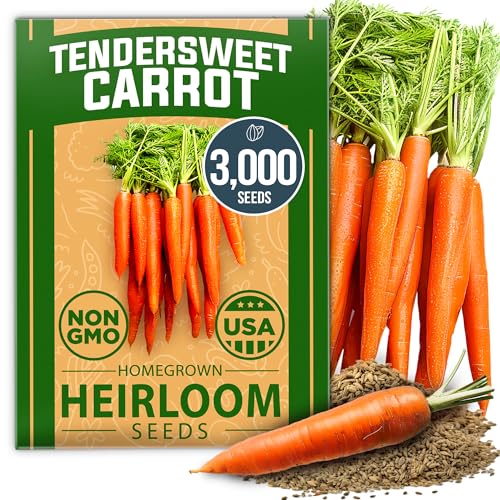
Premium Tendersweet Carrot Seeds: Authentic Open-Pollinated Premium Heirloom Seeds (USA) Non-GMO, Untreated, High Germination Rate. Phenomenal dessert Brix profile. High-impact carotene energy. An outstanding orange monolith for open ground, high ridges, and patio containers. Your garden bed is your pride.
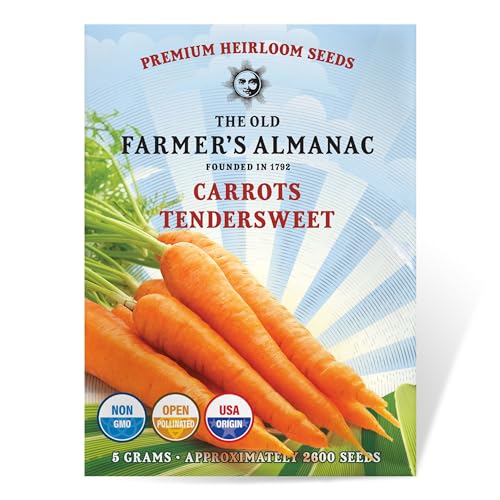
Premium Seeds: Tendersweet heirloom carrot variety offering approximately 2600 seeds for extensive garden planting and multiple growing seasons

Common Mistakes to Avoid
- Overcrowding: Planting carrots and cucumbers too close can lead to stunted growth and competition for resources like water and nutrients.
- Inadequate Sunlight: Remember, both carrots and cucumbers thrive in full sunlight. Make sure they get at least 6-8 hours of direct sunlight daily.
- Poor Drainage: Carrots and cucumbers dislike sitting in waterlogged soil. Ensure proper drainage to prevent root rot.
- Forgetting Mulch: Mulching helps with moisture retention and weed control. Don’t skip this step in your garden.
- Ignoring Pests: Be proactive in monitoring and managing pests that can affect both carrots and cucumbers to safeguard your plants’ health.
| Fact | Data |
|---|---|
| Sunlight needs | 6-8 hours/day |
Recommended Products

100% Organic & Peat-Free: Our organix mulch mix is 100% organic & peat-free. Peat is one of Mother Nature’s most important stores of carbon. Instead of imported peat, the base of our soils is made from upcycled plant matter or wood fines from the United States!

Includes 10lb block of Back to the Roots compressed Coconut Husk Mulch that expands to over 2 cubic feet of mulch. Use it for gardens, raised beds, pet bedding and more

100% Natural Cocoa Mulch – Made from the outer shells of cocoa beans, this premium mulch is free from added dyes or fragrances and delivers a rich, natural chocolate aroma straight from the garden.
Conclusion
Now that you’re aware of the key factors to consider when planting carrots and cucumbers together, you’re well-equipped to create a thriving garden. Remember to give your plants ample sunlight, proper spacing, and good drainage. By implementing these tips and staying vigilant against potential pests, you can ensure the success of your carrot and cucumber companions. Happy gardening!
Frequently Asked Questions
Can carrots and cucumbers be planted together?
Yes, carrots and cucumbers can be planted together, but it’s important to avoid overcrowding and ensure both get 6-8 hours of direct sunlight daily.
What are common mistakes to avoid when planting carrots and cucumbers together?
Common mistakes to avoid include overcrowding, inadequate sunlight, poor drainage to prevent root rot, not mulching for moisture retention and weed control, and ignoring pests that can harm both crops.
How can gardeners optimize the growth of carrots and cucumbers when planted together?
Gardeners can optimize growth by ensuring proper sunlight, spacing, drainage, mulching for moisture retention, weed control, and monitoring pests to keep both crops healthy.
