

Ever found mysterious nibbles on your green bean plants, leaving you puzzled and frustrated? It’s like a sneaky midnight snack thief has infiltrated your garden! But fear not, because in this article, you’ll discover the secrets to outsmarting these pesky culprits – cutworms. These voracious pests can wreak havoc on your precious green beans, but with a few simple tricks up your sleeve, you’ll be able to protect your plants and enjoy a bountiful harvest.
Imagine stepping into your garden, only to find your vibrant green bean leaves chewed into tattered ribbons by these elusive intruders. It’s a gardener’s nightmare! But fret not, as we’re here to equip you with the knowledge and tools needed to combat these cunning cutworms effectively. By the end of this article, you’ll be armed with practical strategies to safeguard your green beans and ensure a thriving garden all season long.
Get ready to bid farewell to those sneaky nibblers and hello to flourishing green bean plants! With our expert tips and tricks, you’ll be able to tackle cutworm infestations head-on, protecting your garden with confidence and reclaiming your harvest from these unwanted guests.
Identifying Cutworm Damage in Green Beans
When identifying cutworm damage on your green bean plants, keep an eye out for these key signs:
- Irregular Seedling Cut:
- Look for seedlings that have been cut off at soil level.
- Bothersome Holes:
- Notice holes nibbled into the leaves and soft stems.
- Frass Trails:
- Watch for clumpy, sawdust-like droppings, known as frass, near your plants.
- Night Activity:
- As cutworms are night crawlers, be observant during twilight and early morning hours.
- Slight Wilting:
- Note any slight wilting of young plants despite adequate watering.
Being aware of these signs will help you catch cutworms early before they cause extensive damage to your green beans.
Understanding the Lifecycle of Cutworms
Cutworms go through several stages in their lifecycle, from egg to adulthood. Understanding this cycle is crucial in effectively managing and controlling these pests in your green bean garden.
- Egg Stage:
- Cutworm moths lay eggs in the soil, usually near plant stems or on leaves.
- Eggs hatch into larvae, which are the destructive feeding stage of the cutworm.
- Larval Stage:
- Cutworm larvae emerge and begin feeding on plant material, including green bean leaves, stems, and seedlings.
- During this stage, cutworms grow rapidly and can cause significant damage to your plants.
- Pupal Stage:
- Fully grown cutworm larvae burrow into the soil to pupate.
- In this stage, they transform into adult moths, completing the lifecycle.
Understanding when cutworms are most active and vulnerable can help you implement effective management strategies to protect your green beans.
Natural and Organic Methods to Control Cutworms
Dealing with cutworms in your green beans can be effectively done using natural and organic methods. Here are some strategies you can employ to keep these pests at bay:
- Beneficial Insects: Introducing predatory insects like parasitic wasps or ground beetles can help control cutworm populations by preying on them.
- Barriers: Physical barriers such as collars made of cardboard or plastic around the base of plants can prevent cutworms from reaching your green beans.
- Cultural Practices: Encourage natural enemies by diversifying plantings and avoiding monoculture. Also, tilling the soil can expose cutworm pupae to predators and reduce their numbers.
- Biological Control: Bacillus thuringiensis (Bt) is a naturally occurring soil bacterium that acts as a biological insecticide, targeting cutworms specifically.
- Natural Repellents: Substances like diatomaceous earth or neem oil are natural repellents that can deter cutworms from feeding on your green bean plants.
- Companion Planting: Planting marigolds or garlic near your green beans can help repel cutworms due to their strong scents.
Implementing these natural and organic methods can help you effectively manage and control cutworm infestations in your green beans.
Recommended Products

✅ OMRI Listed for Organic Use – Certified by the Organic Materials Review Institute, ensuring compliance with strict organic standards for safe gardening and farming.

100% Chemical-Free: Made from 5lbs of food-grade freshwater diatomaceous earth with no additives or fillers. Safe for use around children and pets when used as directed.

FOR ORGANIC GARDENING: Diatomaceous earth-based formula is good for organic gardening
Chemical Control Options for Cutworms
Cutworms can be effectively managed using chemical control methods when natural and organic approaches have not provided satisfactory results. Here are some common chemical control options:
Insecticides:
- Apply insecticides specifically formulated to target cutworms.
- Follow instructions carefully to ensure safe and effective application.
Pyrethrin-based Products:
- Pyrethrin-based sprays can help control cutworm populations.
- Always refer to the product label for proper usage and safety precautions.
Spinosad:
- Spinosad is effective against cutworms and other pests.
- Use as directed on the label for optimal results.
- Permethrin is a broad-spectrum insecticide that can be used for cutworm control.
- Take precautions to protect beneficial insects when applying.
| Chemical Control Options | Application |
|---|---|
| Insecticides | Targeted application |
| Pyrethrin-based Products | Follow label instructions |
| Spinosad | Effective against cutworms |
| Permethrin | Broad-spectrum insecticide |
Always remember to read and follow the instructions provided with chemical control products to safely and effectively manage cutworm infestations in your green beans.
Recommended Products
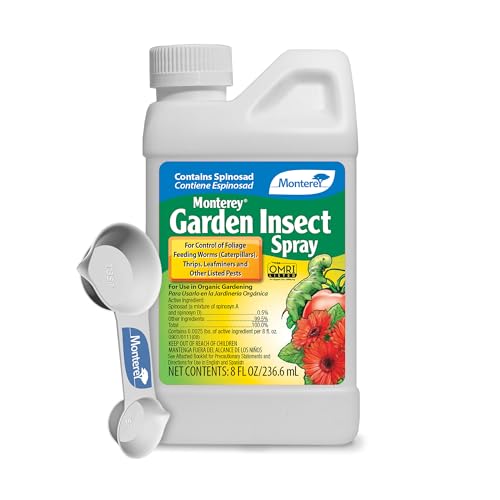
CONTROLS MANY INSECTS IN MANY SETTINGS - This insect treatment spray controls caterpillars, leafminers, codling moths, tent caterpillars, gypsy moths, trips, borers, fire ants, and more. This pest control can be used on outdoor ornamentals, lawns, vegetables, and with citrus and fruit trees.

CONTROLS A VARIETY OF INSECTS - Designed to control Leafminers Leafminers, Borers, Leaf Roller, Thrips, Worms (Caterpillars), Colorado Potato Beetles, Armyworms, Sod Webworms, Cat Fleas, Loopers, Bagworms, Tent Caterpillars and other listed insects.
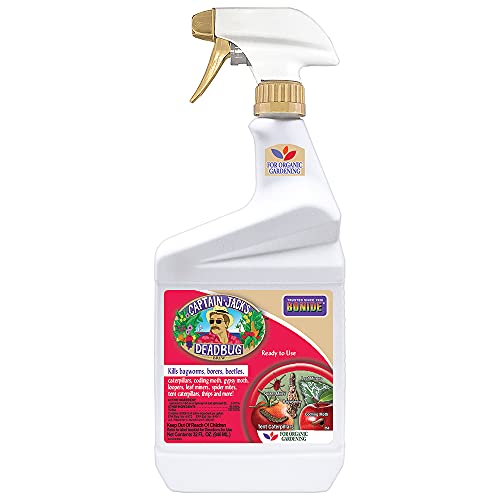
INSECT KILLER - This pest control is great for use on bagworms, borers, beetles, caterpillars, codling moth, gypsy moth, spider mites, loopers, leaf miners, tent caterpillars, thrips and more.
Prevention Tips to Safeguard Your Green Beans
When it comes to protecting your green beans from cutworms, prevention plays a vital role in maintaining a healthy crop. By implementing these simple tips, you can shield your plants from cutworm infestations:
- Till the Soil: Before planting your green beans, make sure to till the soil deeply. This disrupts cutworm larvae and makes it harder for them to reach your plants.
- Use Beneficial Nematodes: Introducing beneficial nematodes to your soil can help control cutworm populations naturally. These microscopic organisms prey on cutworms, reducing their numbers effectively.
- Rotate Crops: Avoid planting green beans in the same location year after year. Rotating your crops disrupts the life cycle of cutworms and decreases the likelihood of infestations.
- Install Collars: Place collars around the base of your young green bean plants. These can be made from materials like cardboard or aluminum foil and act as physical barriers against cutworms.
- Monitor Regularly: Keep a close eye on your green bean plants for any signs of cutworm damage. Early detection allows you to take action promptly and prevent extensive harm to your crop.
- Maintain Cleanliness: Remove any garden debris or weeds that could provide shelter for cutworms. Keeping your garden area clean minimizes hiding spots for these pests.
By incorporating these prevention tips into your green bean gardening routine, you can proactively protect your plants from the threat of cutworm damage.
Recommended Products

Check the "Guide" under images to determine which nematodes you need


They can be use around animals, pets and plants
Conclusion
You’ve learned various natural and chemical methods to tackle cutworms in green beans while keeping safety a top priority. Now armed with prevention tips like tilling the soil, using beneficial nematodes, and monitoring for damage, you can safeguard your green beans effectively. By implementing these proactive measures such as rotating crops, installing collars, and maintaining cleanliness, you’re on your way to ensuring your green beans remain protected from cutworm infestations. Happy gardening!
Frequently Asked Questions
What are cutworms, and why are they a problem for green beans?
Cutworms are caterpillars that can chew through the stems of green beans, causing them to wilt and die. They are a problem because they can severely damage or kill young green bean plants.
What natural methods can I use to control cutworms in green beans?
You can control cutworms in green beans naturally by introducing beneficial nematodes into the soil, as they prey on cutworm larvae. Additionally, rotating crops, tilling the soil, installing cutworm collars, and monitoring for signs of damage can help prevent cutworm infestations.
How can I safely apply chemical methods to control cutworms in green beans?
If using chemical methods, follow the instructions on the product label carefully. Wear appropriate protective gear, apply pesticides during non-windy days, and avoid direct contact with green bean plants to ensure safe application. Be mindful of environmental impact and follow recommended dosages.
