

Ever wondered how to grow your own vibrant, nutrient-packed beetroot right in your backyard? Picture this: you’re craving a fresh, crisp salad, and you realize you’re out of your favorite root vegetable. What if you could simply step outside and pluck some straight from your garden? In this article, you’ll discover the secrets to cultivating your very own beetroot patch with ease.
Imagine the satisfaction of harvesting your own organic beetroots, knowing exactly where they’ve come from and how they’ve been grown. By the end of this read, you’ll be equipped with the knowledge and tips to nurture these ruby gems from seed to plate. Get ready to elevate your culinary creations and embrace the joy of homegrown produce.
Selecting the Right Beetroot Variety
When selecting beetroot seeds, consider factors like climate and intended use. Some common varieties include:
- Boltardy: Well-suited for beginners, known for its resistance to bolting.
- Chioggia: Has a unique red and white ringed flesh.
- Golden: Offers a vibrant yellow color and milder flavor.
- Cylindra: Known for its cylindrical shape, making it ideal for slicing.
Look for varieties that thrive in your region. Experiment with different types to find what suits your taste and garden conditions best.
Preparing the Planting Site
When it comes to growing beetroot, ensuring the right planting site is crucial for a successful harvest. Here are some key steps to prepare your planting site:
- Sunlight: Choose a spot that receives 6-8 hours of sunlight daily for optimal growth.
- Soil: Ensure the soil is well-draining, loose, and free of rocks to promote healthy root development.
- pH Level: Aim for a pH level of 6.0-7.0 for ideal beetroot growth.
- Space: Allow 6 inches between each plant to give them room to grow.
- Companion Plants: Consider planting beetroot near crops like carrots and spinach for beneficial companionship.
Creating the right planting site sets the foundation for a bountiful beetroot harvest.
Planting Beetroot Seeds
When it comes to planting beetroot seeds, timing is crucial. Be sure to sow the seeds in early spring for a successful harvest.
Prepare the soil by weeding and loosening it to ensure good root development. Aim for a pH level of 6.0-7.0 for optimum growth.
Make sure to plant the seeds at a depth of about 1 inch and space them 2-4 inches apart in rows.
Remember to water the seeds regularly, keeping the soil moist but not waterlogged.
Recommended Products
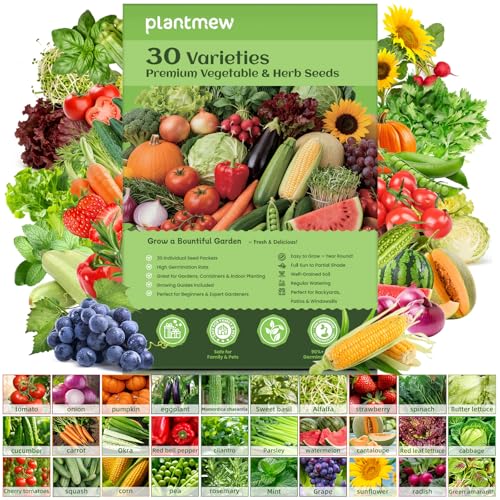
🍅Abundant Variety, High Yields: Each variety boasts up to 15,000 fruit and vegetable seeds, spanning beans, squash, lettuce, tomatoes, and more, empowering you to achieve a plentiful harvest dream effortlessly.

Classic sweet beetroot + greens, Detroit Dark Red, a dependable heirloom table beet (Beta vulgaris); deep red, round roots with strong tops; great for roasting, salads, pickling, and storage
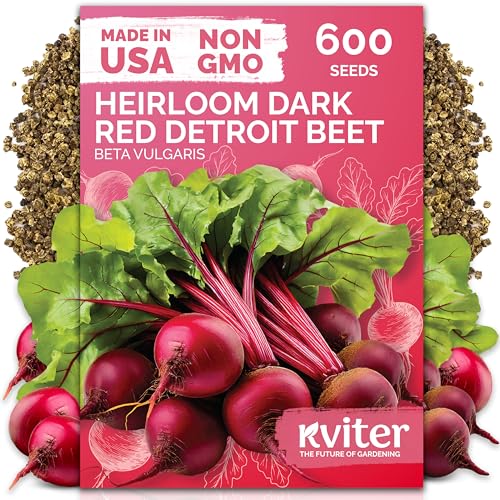
55-60 Day Harvest: Red beet seeds mature fast with tender 2-3 inch roots and sweet classic flavor; sow in loose, well-drained soil at 55-70 °F for best vegetable seeds results.
Care and Maintenance Tips
Growing beetroot requires consistent care and attention to ensure a successful harvest. Here are some tips to help you maintain healthy beetroot plants:
- Weeding: Regularly remove weeds around your beetroot plants to prevent competition for nutrients and sunlight.
- Thinning: Once your beetroot seedlings have sprouted, thin them out to 2-4 inches apart to give each plant enough space to grow.
- Watering: Keep the soil consistently moist by watering your beetroot plants regularly. Be mindful not to overwater as it can lead to rotting.
- Fertilizing: Consider fertilizing your beetroot plants with a balanced fertilizer to support their growth. Follow the manufacturer’s instructions for best results.
- Pest Control: Keep an eye out for common beetroot pests such as aphids and slugs. Consider using organic pest control methods to protect your plants.
| Optimal pH Level: | 6.0-7.0 |
|---|---|
| Planting Depth: | About 1 inch |
| Spacing: | 2-4 inches apart in rows |
Recommended Products

HIGH GERMINATION RATE – PLANT WITH CONFIDENCE: Achieve impressive germination with our Detroit Dark Red Beet seeds, ensuring consistent growth and a rewarding gardening experience for both novice and experienced gardeners. Enjoy a bountiful and healthy harvest.

strainer jar jars egg pickling glass flip storage beetroot and Multipurpose Functionality: The versatile pickle jar is not limited to just pickles—it can also store a variety of items such as salad mixes, maraschino cherries, or jalapenos. Its practical design makes it a perfect addition to any kitchen for those who love entertaining guests.

【Space-Saving Kitchen Organization】The Potato Onion Garlic Storage Set by EQEY features three durable designed for kitchen countertops. The largest potato storage (5.51*5.51*3.34 in) holds up to 3kg of potatoes, while the medium onion storage bin (8.66*5.9*5.43 in) stores 2kg of onions. The compact Garlic storage containers (12.99*7.08*5.9in) securely fit 6-9 garlic heads, keeping ingredients visible and accessible. Say goodbye to cluttered countertops and enjoy a minimalist kitchen aesthetic.
Harvesting and Storing Your Beetroot
When it comes to harvesting beetroot, timing is key. Roots are ready to harvest when they reach about 1-3 inches in diameter. Avoid leaving them in the ground for too long as they can become woody. Here’s what you do:
- Gently loosen the soil around the plant to avoid damage.
- Grab the leaves close to the root and twist them off, rather than cutting.
- Leave an inch of the stem intact to prevent bleeding.
Storing Your Harvest
For short-term storage, you can:
- Keep beetroot in the fridge. Remove the leaves to prevent moisture loss.
- Store them in a plastic bag to maintain humidity.
For longer storage:
- Store in a cool, dark place at around 32-40°F with high humidity.
- Consider layering them in damp sand or sawdust to keep them fresh.
Avoid storing near fruits that release ethylene gas, which can cause wilting.
Preserve Your Harvest
If you have a bountiful harvest, consider preserving your beetroots by:
- Pickling slices or cubes for a tangy snack.
- Freezing cooked beetroots for later use in soups or salads.
- Canning them for long-term preservation.
Conclusion
You’ve learned the key steps to successfully grow and harvest beetroot. Remember, timing is crucial when it comes to harvesting to ensure the roots stay tender. Proper techniques, like gently loosening the soil and leaving a bit of the stem intact, will help you harvest your beetroot effectively. When it comes to storing your beetroot, follow the guidelines for short-term and long-term options to keep them fresh for longer. Lastly, explore different methods of preserving your beetroot harvest, such as pickling, freezing, or canning, to enjoy their goodness in a variety of dishes. With these tips in mind, you’re all set to cultivate your own delicious beetroot crop!
Frequently Asked Questions
When is the best time to harvest beetroot?
Beetroot should be harvested when they reach 1-3 inches in diameter to prevent them from becoming woody.
How should I harvest beetroot?
Gently loosen the soil, twist off the leaves, and leave an inch of the stem intact during harvesting.
What are the short-term storage options for beetroot?
Refrigerate beetroot without leaves in a plastic bag for short-term storage.
How should I store beetroot for the long term?
For long-term storage, keep beetroot in a cool, dark place with high humidity or layer them in damp sand or sawdust.
What should I avoid when storing beetroot?
Avoid storing beetroot near ethylene-releasing fruits to prevent spoilage.
How can I preserve a beetroot harvest?
Preserve beetroot by pickling, freezing, or canning for future use in various dishes.
