

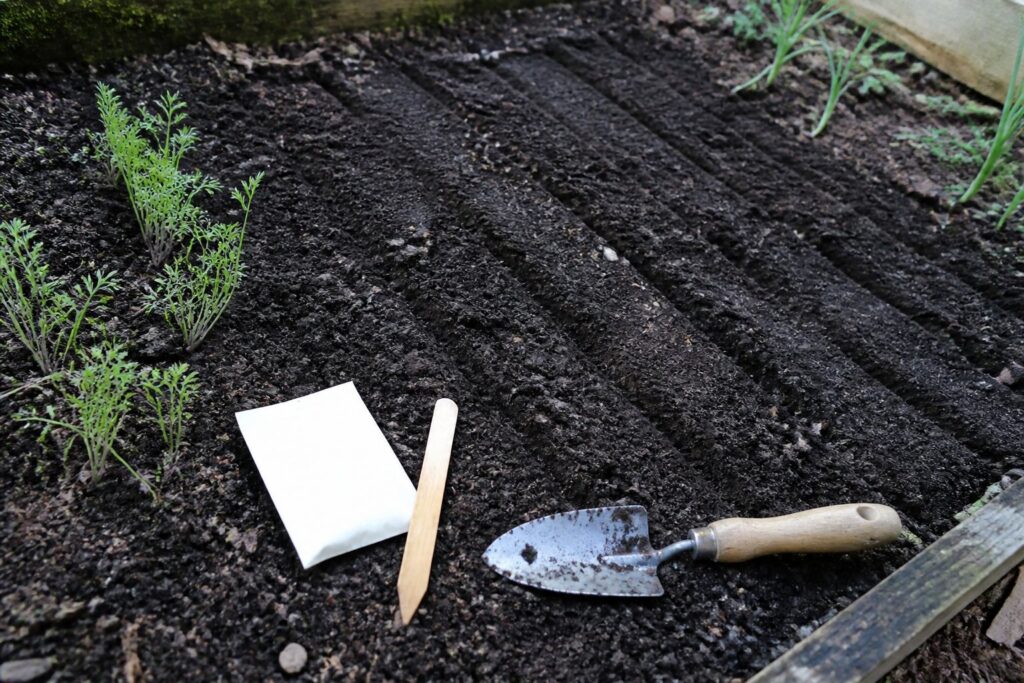
There is no single best carrot-planting date for every garden. Carrots are direct-sown cool-season vegetables, and their success depends on soil temperature, local frost patterns, summer heat, variety maturity, and how long you want the harvest to continue. A calendar can suggest a starting point, but the seed packet and your local conditions decide whether a date is realistic.
Use this guide to turn those variables into a workable plan. It covers spring sowing, succession sowing, fall crops, warm-weather adjustments, and the situations where waiting a week is smarter than forcing seed into an unsuitable bed. Once you choose a window, follow the practical steps in Growing Carrots From Seed.
Think in planting windows, not one perfect date
Carrot seed can germinate in cool soil, but it emerges more steadily when conditions are moderate and the seedbed can be kept evenly moist. In many temperate gardens, spring sowing begins once the soil can be worked without compacting it and hard freezes are less likely to damage tender seedlings. In warmer regions, the best carrot season may be fall through winter rather than midsummer. The same crop can therefore have very different calendars across the country.
Start with three pieces of information: your average last spring frost, your average first fall frost, and the packet’s days-to-maturity range. Then add a buffer for slow germination, unusual weather, and the fact that maturity is not an appointment. A root that says “65 days” on the packet may mature more slowly in a cool spring or more quickly in warm soil.
| Planning question | How to use it | Why it matters |
|---|---|---|
| When is the last spring frost? | Use it as a local reference, not a guarantee. | It helps frame early-season risk. |
| What is the soil doing? | Plant when it is workable, not muddy, and the surface can stay moist. | Compacted or crusted soil undermines emergence. |
| How many days does the variety need? | Count toward the likely harvest period and add weather margin. | Long types need a longer usable season. |
| When does serious heat or hard frost arrive? | Plan spring and fall sowings around those pressure points. | Heat can reduce germination and root quality; severe cold can end harvest. |
Spring sowing
For many gardens, spring is the first dependable carrot window. Prepare the bed early, but avoid rushing seed into soil that is saturated, cold enough to remain inactive for weeks, or likely to form a heavy crust. Carrots are slow to emerge, so a seedbed that looks fine on planting day can fail if it dries out repeatedly during the next two weeks.
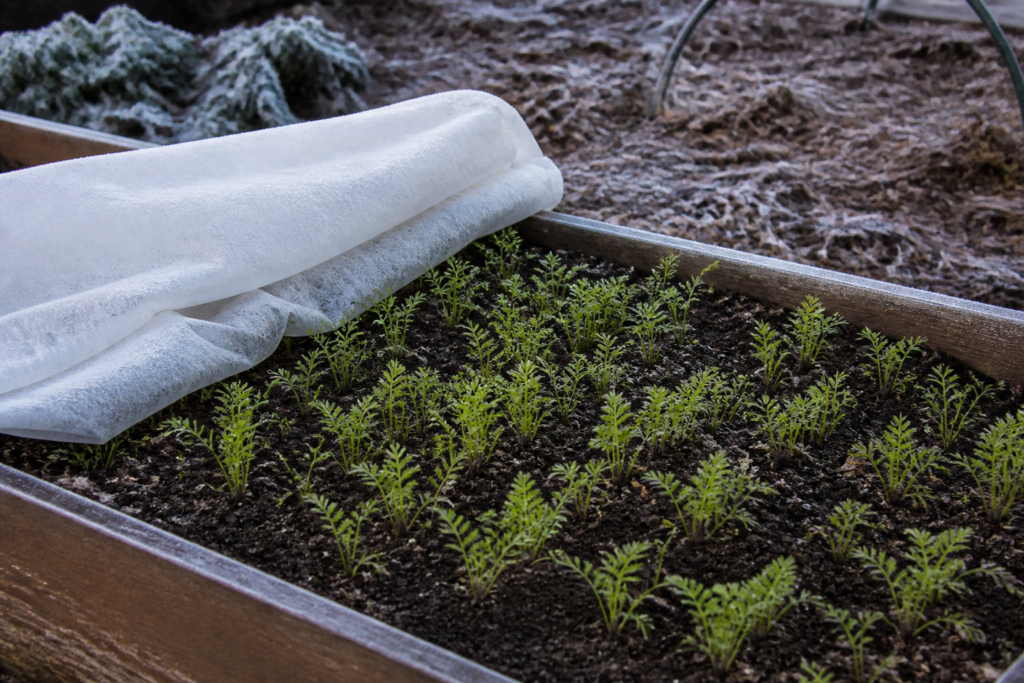
Direct-sow shallowly, roughly one-quarter to one-half inch deep, and cover with the finest material available. Water gently and check often. If a late cold snap is forecast after seedlings emerge, a light row cover can moderate conditions, but remove or vent it when weather warms and make sure the crop still receives light and airflow. Do not use a cover as an excuse to sow into a waterlogged bed.
Use succession sowing for a longer harvest
One large planting delivers many carrots in a short period. Smaller sowings every two to four weeks usually make harvesting easier and spread the risk of imperfect weather. The exact interval is flexible: sow more often if you have a long, mild season and household demand is steady; sow less often if space is limited or summer heat arrives quickly.
Keep records of each sowing date, variety, and where it was planted. That simple habit shows which window gave the best germination and flavor in your garden. It also prevents a late planting from being mistaken for a failed early planting. For spacing and thinning within each sowing, use the Carrot Spacing Guide.
Planning a fall crop
Fall carrots can be especially useful where late-summer heat eases into a long, cool autumn. Count backward from the likely end of your growing season using the variety’s maturity range, then add time for slow late-season growth. In a short-season climate, a quick or medium-length variety may be the realistic choice. In a mild climate, a later sowing can continue growing or be harvested gradually through cool weather.
The challenge is establishing seed while summer conditions are still warm. The shallow seed zone can dry in hours, and hot soil can produce uneven germination. Water lightly but frequently enough to protect the surface, use a temporary shade that does not block airflow if conditions are intense, and remove it once seedlings are established. A mulch applied after emergence can help moderate soil moisture, but it should not bury tiny seedlings.
How heat changes the plan
Carrots prefer steady, moderate conditions. When soil is very warm, germination can become slow or patchy, and mature roots may be less sweet or develop poorer color. Rather than insisting on a date, consider whether you can protect the seedbed from heat and keep it moist without saturating it. An early-morning watering routine, light shade on the bed surface, and a later sowing date can be more effective than simply adding more seed.
Warm climates often use the cool half of the year for carrots. Ask a local cooperative extension office, gardening group, or seed supplier for regional sowing windows, then adapt them to your microclimate. A sunny wall, raised bed, low spot, or exposed slope can behave differently from the regional average.
Match variety to the season and site
Variety affects more than color and shape. Shorter, rounded, or blunt-rooted types are often sensible in shallow beds or containers. Longer types need a deeper, smoother root zone and may require more time. Choose a maturity range that fits the remaining season rather than hoping a long type will finish in a narrow window.
Also decide what you want from the crop. A small, tender bunching harvest can begin earlier than a storage-sized harvest. If you want roots for later storage, plan enough time for them to size up, then use the guidance in When and How to Harvest Carrots to handle them carefully.
A simple seasonal workflow
- Six to eight weeks before your likely first sowing: choose varieties, check the bed depth, and gather fresh seed.
- At planting time: assess soil condition, make shallow rows, and sow lightly.
- Through emergence: protect even surface moisture and watch for crusting.
- Two to four weeks later: make the next small sowing if your season and space allow.
- As heat arrives: decide whether to pause, shade the seedbed, or shift attention to a fall window.
- Before fall planting: count backward from cold weather using maturity plus a margin for slower growth.
Common timing mistakes
| Mistake | Why it causes trouble | Better approach |
|---|---|---|
| Planting by calendar only | Soil condition and local weather may not match the date. | Use the date as a guide, then check the bed and forecast. |
| Sowing one huge crop | Harvest becomes concentrated and one weather event affects everything. | Use staggered sowings where practical. |
| Starting too late for fall | Roots slow down as days shorten and cold arrives. | Count backward from the realistic end of the season. |
| Ignoring seedbed moisture in heat | Seed can dry before germinating. | Check shallow soil often and water gently. |
Use local observations to refine the calendar
Write down when soil first became workable, when seedlings actually emerged, and when the first harvest reached useful size. Over two or three seasons, those dates become more valuable than a generic zone chart. A raised bed may warm earlier than in-ground soil; a windy site may dry the seedbed faster; a sheltered yard may hold cold air longer. Use those observations to move the next sowing window gradually, not to promise an exact outcome.
When forecasts become unsettled, sow a small test row instead of committing all seed. If it establishes evenly, make the next succession planting. If it struggles, rework the seedbed or wait for a more favorable stretch.
Before you sow, check these conditions
- The bed is crumbly rather than muddy.
- You can keep the shallow seed zone moist for the next several days.
- The variety can mature before your likely weather limit.
- You have labeled the sowing so you can compare it with the next one.
If one condition is missing, wait or make a small trial sowing. Good timing is a combination of season and preparation.
Frequently asked questions
Can carrots survive a light frost?
Established carrots tolerate cool weather better than many warm-season vegetables, but hardiness varies with size, condition, and the severity and duration of cold. Protect a late crop when a significant freeze is expected and rely on local guidance for your climate.
Should I start carrots indoors to get an earlier crop?
Usually no. Direct sowing avoids taproot disturbance. Prepare the outdoor seedbed well and use a suitable early-season window instead.
How late can I plant carrots?
The answer depends on local weather and the variety’s maturity range. Count back from the point when hard freezes, extreme heat, or low light make meaningful growth unlikely, then add a sensible margin.
For soil preparation that supports each sowing window, see Best Soil for Growing Carrots. Visit the Growing Carrots hub for the complete premium resource collection.
