

Are you eager to grow your own fresh lettuce but unsure when to plant it? You’re not alone. Many gardeners face the same dilemma, wanting to enjoy that crisp, homegrown taste without risking a failed crop.
Key Takeaways
- Lettuce thrives in cooler seasons; early spring and late summer are optimal for planting to ensure a bountiful harvest.
- Different lettuce varieties have specific planting times: Butterhead is best sown in early spring or late summer, while Romaine and Leaf Lettuce have similar preferences but may vary slightly in timing.
- Success in lettuce gardening also depends on local climate conditions, such as temperature and frost dates, which should guide planting schedules.
- Soil temperature plays a crucial role in germination; aim for soil temperatures between 60°F and 70°F for optimal growth.
- Maintain consistent soil moisture and utilize proper soil preparation to promote healthy root development and overall plant health.
- Fall planting often yields sweeter lettuce leaves, making it a rewarding option for gardeners looking to extend their growing season.
Understanding Lettuce Growing Seasons
Lettuce thrives in cooler seasons, making careful timing crucial for successful growth. Planting at the right time ensures you enjoy fresh, crisp lettuce.
Types of Lettuce and Their Preferences
Different types of lettuce have varying preferences for planting times:
- Butterhead Lettuce: Best planted in early spring or late summer for fall harvests.
- Romaine Lettuce: Thrives in cooler weather, ideally planted in spring or late summer.
- Leaf Lettuce: Grows well in spring and fall, requiring consistent moisture.
- Crisphead Lettuce: Plant in spring for a summer harvest or in late summer for autumn enjoyment.
Choosing the right lettuce variety based on these preferences increases your chances of a bountiful harvest.
Climate Considerations
Climate significantly impacts when you plant lettuce:
- Temperature: Lettuce prefers temperatures between 60°F and 70°F. Ideal growth occurs when nights are cool, around 50°F.
- Frost Dates: Understand local frost dates. Plant lettuce after the last frost in spring and at least six weeks before the first frost in fall.
- Humidity: Higher humidity can cause disease, so ensure good air circulation. Excessive heat can lead to bolting, where the plant goes to seed too quickly.
Monitoring these conditions helps determine the best planting time for your area and creates a thriving environment for your lettuce.
Best Months for Planting Lettuce
Timing plays a crucial role in successfully growing lettuce. Understanding when to plant helps you enjoy a fresh crop throughout the growing season. Planting lettuce in the right months maximizes growth and flavor.
Recommended Products

Beautiful - Large, premium packet of a blend of heirloom Lettuce seeds (Latuca sativa). This surprising mix of pretty and colorful lettuces will be a welcome addition to your garden in early spring and fall. Minimum of 600 mg per packet (about 650 seeds).

4 Popular Heirloom Lettuce Varieties: Includes Red Romaine, Bibb Butterhead, Black Seeded Simpson, and Green Ice lettuce seeds to grow crisp, tender, and colorful salad greens with balanced flavor, texture, and visual appeal.

FIVE FLAVORFUL VARIETIES FOR A COMPLETE SALAD GARDEN SOLUTION. This lettuce seed pack includes black seeded simpson, red romaine, bibb, buttercrunch, and iceberg. Perfect for salads, wraps, smoothies, and toppings with fresh, homegrown flavors year-round.
Spring Planting
Spring offers an ideal time for planting lettuce. Aim for early spring, just after the last frost. This timing allows seedlings to establish before summer heat arrives. For best results, select a sunny location and ensure the soil temperature sits within 60°F to 70°F.
- Butterhead Lettuce: Plant in late March to early April.
- Romaine Lettuce: Start sowing seeds in April.
- Leaf Lettuce: Begin planting as soon as the soil is workable in March.
Monitor soil moisture and protect young plants from unexpected cold snaps. Frequent, light watering aids in healthy growth.
Fall Planting
Fall planting provides a second chance for lettuce lovers, especially as temperatures start to cool. Aim for late summer to early fall for the best results. Most varieties can thrive in this season, taking advantage of the milder temperatures before winter arrives.
- Crisphead Lettuce: Best planted in late July to early August.
- Leaf Lettuce: Sow seeds in August for a fall harvest.
- Romaine Lettuce: Plant in August through early September.
Ensure plants get enough sunlight and prevent frost damage with row covers if needed. Fall planting often results in sweeter leaves due to cooler temperatures, making for a delightful harvest.
Factors Influencing Planting Time
Understanding the factors that influence planting time helps you achieve a successful lettuce crop. Several elements, including regional climate variations and soil temperature, play essential roles in determining when to plant.
Recommended Products
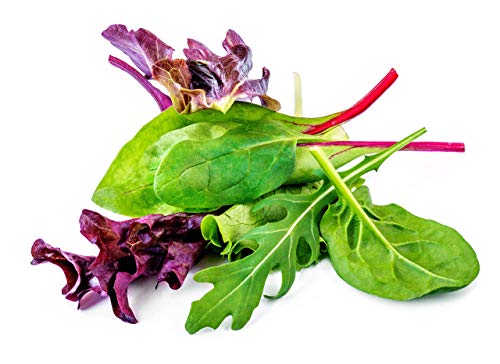
Premium spring mix salad greens - Mesclun lettuce microgreens seeds variety mix with arugula, spinach, swiss chard, endive, kale mustard and lettuces.

"Mesclun" comes from the Provençal French word meaning "mixture" — this style of mixed salad greens originated in the Nice region of France and became a staple of fine restaurants worldwide before becoming a home garden favorite.
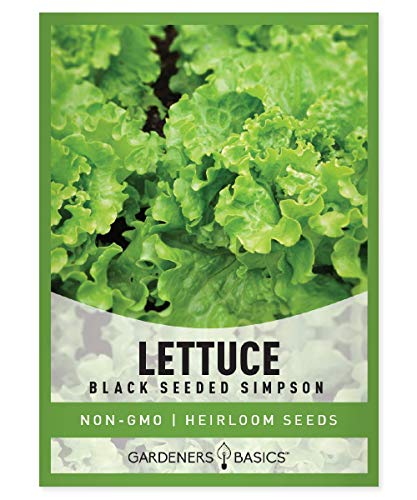
Black Seeded Simpson is a classic heirloom loose leaf lettuce with large, tender green leaves and a mild, sweet flavor. Harvest fresh leaves for salads, sandwiches, wraps, and other homegrown meals.
Regional Climate Variations
Regional climate significantly impacts the best planting months for lettuce. Warmer regions allow for earlier planting in spring, while cooler areas may require waiting until late April or May.
- Northern Regions: In zones with harsh winters, plant lettuce in early spring, typically late March to early April, after the last frost.
- Southern Regions: Areas with milder winters can plant lettuce as early as February, taking advantage of longer growing seasons.
- Transitional Zones: In areas with moderate winters, aim for planting in mid-April, balancing the risk of frost and longer growth periods.
Soil Temperature and Conditions
Soil temperature plays a crucial role in germination and plant health. Lettuce prefers soil temperatures between 60°F and 70°F for optimal growth.
- Temperature Monitoring: Use a soil thermometer to check soil temperature before planting. You’ll want the soil to warm up to 50°F at a minimum before sowing seeds.
- Soil Condition: Ensure the soil is well-draining and rich in organic matter. Amend soil with compost a few weeks before planting to improve nutrient availability.
- Moisture Levels: Keep soil consistently moist during germination. Avoid soggy conditions, which can lead to rot.
By considering these factors, you can effectively determine the best month to plant lettuce for strong growth and a delicious harvest.
Tips for Successful Lettuce Gardening
Successful lettuce gardening requires attention to detail in various areas, including soil preparation and maintenance routines. Implement these tips for optimal growth.
Recommended Products

Accurate Soil pH Testing: Dewildetradingco Soil pH Test Strips offer measurements of soil pH levels (pH 3.5-9). As an essential tool for every gardener and grower, these test strips help determine the optimal pH for various plants, such as outdoor plants, indoor plants, gardens, grass lawns, fruit trees, flowers, vegetables, and forest shrubs.

Kindly NOTE: This soil tester can not be applied to test pH value of any other liquid. If the soil is too dry the indicator will not move, and water it before testing.

KNOW BEFORE YOU GROW | Grow the healthiest, sustainable lawn and garden with the most accurate and easy to use professional soil test kit on the market
Soil Preparation
Healthy soil directly impacts lettuce growth. Start by testing soil pH, aiming for a range of 6.0 to 7.0. Amend the soil with organic matter, such as compost, to enhance nutrient content. Till the soil to a depth of 12 inches and ensure proper drainage. Remove any rocks or debris to create a clean planting area.
Add balanced fertilizer according to soil test results. Mix in the fertilizer evenly before planting. Preparing the soil properly promotes robust root development and contributes to overall plant health.
Watering and Maintenance
Lettuce thrives in consistently moist soil. Water your plants deeply, aiming for about 1 inch of water per week, either from rainfall or irrigation. Check the soil’s moisture level regularly. Adjust your watering schedule based on weather conditions, increasing frequency during hot spells.
Maintain a layer of mulch to retain moisture and suppress weeds. Choose straw, grass clippings, or shredded leaves for effective coverage. Additionally, thin seedlings to prevent overcrowding, allowing adequate air circulation and light penetration. This practice reduces the risk of disease and encourages healthy leaf growth.
By focusing on soil preparation and regular maintenance, you create a thriving environment for your lettuce plants.
Conclusion
Choosing the right month to plant lettuce can make all the difference in your garden. By paying attention to the specific types of lettuce and their preferred planting times you can enjoy a bountiful harvest. Remember to consider your local climate and soil conditions to ensure your plants thrive.
With a little planning and care you’ll be on your way to enjoying fresh and flavorful lettuce all season long. Happy gardening and may your lettuce grow lush and delicious!
Frequently Asked Questions
When is the best time to plant lettuce?
Plant lettuce in early spring after the last frost or in late summer for a fall harvest. Ideal planting times vary by lettuce type: Butterhead in late March to early April, Romaine in April, and Leaf Lettuce as soon as the soil is workable in March.
What are the optimal temperatures for growing lettuce?
Lettuce thrives at temperatures between 60°F and 70°F. Planting during this temperature range helps prevent bolting and promotes healthy growth.
How do I prepare the soil for planting lettuce?
Aim for nutrient-rich, well-draining soil with a pH of 6.0 to 7.0. Amend the soil with organic matter like compost and ensure it is properly tilled for better root development.
What kind of lettuce can I plant in the spring?
You can plant Butterhead, Romaine, Leaf, and Crisphead Lettuce in spring. Butterhead and Romaine work best in late March to early April, while Leaf Lettuce can be sown as soon as the soil is workable.
How should I care for my lettuce after planting?
Water deeply, aiming for about 1 inch per week, and maintain moisture with mulch. Thin seedlings to reduce crowding and ensure good air circulation, preventing disease and promoting growth.
Can I grow lettuce in the fall?
Yes, fall planting is ideal, especially for Crisphead Lettuce, which should be planted in late July to early August. Leaf Lettuce can be sown in August, with Romaine planted from late August to early September for optimal flavor.
Why is timing important for planting lettuce?
Timing is crucial because lettuce prefers cooler growing conditions. Proper timing helps avoid heat stress and bolting, leading to tastier, more successful crops.
How do regional climates influence lettuce planting?
Warmer regions allow for earlier planting in spring, while cooler areas may need to wait until late April or May. Northern regions typically plant in late March to early April, while southern areas can start as early as February.
