

Have you ever wondered how long it takes to grow your own lettuce from seed? If you’ve tried gardening, you know the excitement of watching those tiny seeds sprout and grow. But figuring out the right time to harvest can be tricky.
Key Takeaways
- Lettuce Growth Stages: Lettuce progresses through distinct stages, including seed germination (7-14 days) and seedling development (2-3 weeks), both critical for successful harvesting.
- Variety-Specific Harvest Times: The time to harvest lettuce varies by type; romaine takes 70-80 days, butterhead 55-75 days, and leaf lettuce can be ready in as little as 30 days for baby leaves.
- Optimal Growing Conditions: Ideal growing conditions include a cool temperature (60°F-70°F), adequate sunlight (6-8 hours daily), fertile soil with a pH of 6.0-7.0, and consistent moisture (1-1.5 inches weekly).
- Signs of Readiness: Harvest when leaves are 4-6 inches long, vibrant in color, firm to the touch, and before any flowers appear, as bolting affects flavor.
- Post-Harvest Care: Store harvested lettuce promptly in the refrigerator, keep it dry, and use airtight containers to maintain freshness while avoiding exposure to ethylene gas.
- Nutritional Benefits: Fresh lettuce is low in calories, rich in vitamins A, C, and K, provides hydration, contains dietary fiber, and offers antioxidants that support overall health.
Understanding Lettuce Growth Stages
Lettuce grows through distinct stages, each contributing to the overall development of the plant. Knowing these stages helps determine the optimal time for harvesting.
Seed Germination
Seed germination signals the start of lettuce growth. Within 7 to 14 days, seeds sprout under ideal conditions. To encourage germination, keep the soil moist and maintain a temperature between 65°F and 75°F. Monitor moisture levels carefully; too much or too little can affect seed viability.
Seedling Development
Once germination occurs, seedlings emerge and begin their development phase. This stage lasts about 2 to 3 weeks. During this time, provide adequate sunlight, at least 12 to 16 hours daily, and maintain consistent watering to keep the soil evenly moist. Fertilizing with a diluted, balanced fertilizer can support strong, healthy growth. Regularly check for pests or diseases, as young seedlings can be vulnerable.
Factors Influencing Harvest Time
Several factors directly affect how long it takes to harvest lettuce from seed. Understanding these elements helps you plan for a successful harvest and enjoy fresh lettuce at the right time.
Recommended Products

YEAR-ROUND GARDEN FAVORITE – Dependable butterhead lettuce that thrives in cool or moderate weather for consistent harvests from spring through fall, even under cover in winter

🥬 Winter Density Lettuce: 65 days until Maturity. Latin Name: Lactuca sativa. Open Pollinated. The plant produces heavy yields of dark green romaine lettuce. Leaves are tightly folded and have a delicious sweet flavor. Lettuce retains its crisp sweetness best when harvested in the morning.
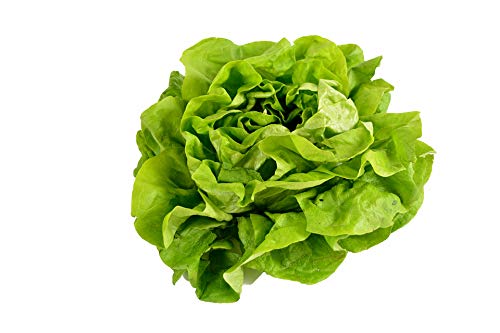
This lettuce is well known for its sweet flavor. Best if harvested in the morning.
Lettuce Variety
Lettuce variety plays a significant role in determining harvest time. Different types mature at varying rates:
- Romaine: Typically ready for harvest in 70 to 80 days.
- Butterhead: Usually harvestable in 55 to 75 days.
- Leaf Lettuce: Can be picked as early as 30 days for baby leaves or 45 to 60 days for mature heads.
Selecting the right variety based on your timeline and taste preferences is essential for success.
Growing Conditions
Growing conditions significantly influence lettuce maturity. Key factors include:
- Temperature: Lettuce thrives best in cool weather, ideally between 60°F and 70°F. High temperatures can lead to bolting, affecting growth and flavor.
- Sunlight: Lettuce needs 6 to 8 hours of full sun daily. Ensure it’s not shaded by taller plants.
- Soil Quality: Fertile, well-draining soil promotes rapid growth. Aim for a pH between 6.0 and 7.0.
- Watering: Consistent moisture level is crucial. Water regularly, aiming for about 1 to 1.5 inches weekly. Adjust based on rainfall.
Achieving optimal growing conditions can speed up your harvest and yield healthier lettuce.
When to Harvest Lettuce
Knowing when to harvest lettuce is essential for maximizing flavor and quality. Typically, lettuce is ready for harvest between 30 to 75 days after planting, depending on the variety and growing conditions.
Recommended Products

HERB GARDENING ESSENTIAL: Stainless steel blade plant shears with sheath ideal for harvesting herbs outdoors or with a window herb garden for kitchen; encourages overall lawn and garden health, or perfect gift to go with any indoor herb garden kit
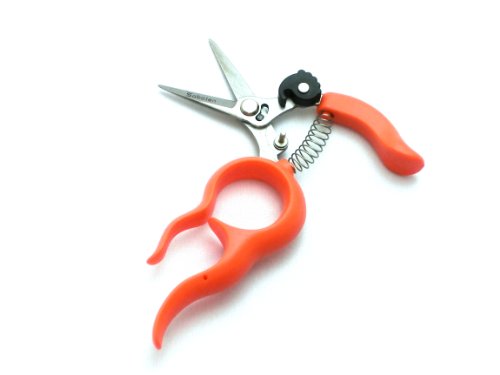
[Caution] Picture shown is 1318S.

K115 Crop Harvest Knife, 7.25-Inch Blade, is designed for trimming lettuce, greens, and soft-stemmed vegetables.
Signs of Readiness
- Leaf Size: Look for leaves that reach about 4 to 6 inches in length. This size indicates maturity for most leaf varieties.
- Color: Monitor the color of the leaves. Vibrant green or the desired color for your specific variety shows optimal readiness.
- Touch: Gently squeeze or touch the leaves. They should feel firm and crisp, not limp or wilted.
- Flowering: If you notice any flowers starting to form (a process called bolting), harvest immediately, as the taste may become bitter.
- Time of Day: Harvest in the morning when leaves are full of moisture for better crunchiness and flavor.
- Method: Use a sharp knife or scissors to cut leaves just above the soil level. This encourages regrowth without damaging the plant.
- Handling: Handle harvested leaves carefully to avoid bruising. Place them in a cool, shaded space to maintain freshness.
- Storage: Store harvested lettuce in a plastic bag with holes to allow airflow. Refrigerating it can extend its freshness by 5 to 7 days.
Following these guidelines ensures a successful and enjoyable lettuce harvest.
Post-Harvest Care
Post-harvest care plays a crucial role in maintaining the quality and freshness of your lettuce. Proper handling and storage practices can keep your harvest vibrant and tasty for longer.
Storage Tips
- Refrigerate Promptly: Store harvested lettuce in the refrigerator immediately. It’s best at temperatures between 32°F and 36°F (0°C to 2°C).
- Keep It Dry: Moisture leads to decay. Ensure your lettuce is dry before storage. Remove excess moisture using a salad spinner or patting with a paper towel.
- Use Airtight Containers: Place lettuce in airtight containers or sealable bags to minimize air exposure and maintain humidity.
- Avoid Ethylene Gas: Store lettuce away from ethylene-producing fruits, like apples and bananas, as this gas can cause lettuce to wilt or spoil faster.
- Consume Timely: Aim to eat your lettuce within 5 to 7 days. The fresher the lettuce, the better the flavor and nutritional benefits.
Nutritional Benefits of Fresh Lettuce
Fresh lettuce not only adds flavor to your meals but also delivers essential nutrients. Here are key nutritional aspects:
- Low in Calories: Lettuce, particularly varieties such as romaine and leaf, ties in minimal calories, making it an excellent choice for weight management.
- Vitamin-Rich: Rich in vitamins A, C, and K, lettuce supports immune function, skin health, and bone strength.
- Hydration Source: With over 90% water content, lettuce helps keep you hydrated, especially in warm weather.
- Fiber Content: The dietary fiber in lettuce promotes digestive health and keeps you feeling full longer.
- Antioxidants: Contains antioxidants like flavonoids that combat oxidative stress and inflammation in the body.
Incorporating fresh lettuce into your diet offers numerous health advantages while enhancing the flavor of your meals.
Conclusion
Growing lettuce from seed can be a rewarding experience that brings fresh flavors to your meals. By understanding the right time to harvest and how to care for your lettuce post-harvest you can enjoy its crispness and nutritional benefits for longer. Remember to keep an eye on those maturity signs and store your lettuce properly to maintain its freshness. With a little patience and care you’ll have a bountiful supply of delicious lettuce right from your garden. Happy gardening and enjoy your harvest!
Frequently Asked Questions
How do I grow lettuce from seed?
To grow lettuce from seed, start by selecting the right variety for your climate. Sow the seeds in well-draining soil, ideally in spring or fall. Keep the soil consistently moist but not waterlogged. Maintain a temperature between 60°F to 70°F for optimal germination. Thin the seedlings to prevent overcrowding as they grow.
When should I harvest my lettuce?
You should harvest lettuce when the leaves are vibrant and reach about 6 to 8 inches in height. Look for signs of maturity, like firm, crisp leaves. If the plant starts to bolt (flower), it’s best to harvest immediately, as the taste may become bitter.
How should I store harvested lettuce?
Store harvested lettuce in the refrigerator to keep it fresh. Use airtight containers or bags to reduce moisture loss. Avoid washing it until you’re ready to use, as excess moisture can lead to spoilage. Additionally, keep lettuce away from ethylene-producing fruits, like apples, to extend its shelf life.
What are the nutritional benefits of lettuce?
Lettuce is low in calories and packed with nutrients, including vitamins A, C, and K. It’s also hydrating, thanks to its high water content, and contains fiber, which aids digestion. The antioxidants in lettuce may help reduce the risk of chronic diseases, making it a healthy addition to your diet.
Can I grow lettuce indoors?
Yes, you can grow lettuce indoors! Choose a sunny spot or use grow lights, and select a suitable variety for indoor gardening. Use a container with good drainage and keep the soil consistently moist. Monitoring temperature and light exposure will help maintain healthy growth indoors.
