

Ever wondered if your garden could be a harmonious blend of vibrant colors and flavors? What if we told you that planting beets and carrots together could be the secret to a thriving garden bed? Imagine the convenience of having two of your favorite root vegetables growing side by side, complementing each other’s growth.
Picture this: you’re out in your garden, envisioning a colorful array of fresh produce, but unsure about the best way to maximize your space. Planting beets and carrots together not only saves room but also offers a natural partnership that benefits both plants. In this article, we’ll delve into the fascinating world of companion planting and show you how combining beets and carrots can elevate your gardening game.
Get ready to unlock the potential of your garden with this simple yet effective technique. Discover the symbiotic relationship between beets and carrots and how planting them together can lead to healthier, more abundant crops. It’s time to transform your garden into a colorful oasis of nutritious delights – all by planting beets and carrots side by side.
Benefits of Companion Planting
When it comes to gardening, pairing certain plants together can bring numerous benefits. Planting beets and carrots together is a prime example of companion planting, a practice that takes advantage of the mutual benefits different plants can offer each other.
Improved Space Efficiency
By planting beets and carrots together, you maximize growing space in your garden. Since these two root vegetables have different root depths, they can thrive side by side without competing for space. This allows you to make the most out of limited garden area.
Enhanced Soil Health
Beets and carrots have complementary nutrient needs. Beets are heavy feeders, requiring more nutrients from the soil, while carrots are considered light feeders. When grown together, they help balance the soil nutrients, resulting in healthier plants and more bountiful harvests.
Natural Pest Control
The scent of each plant can mask the smell of the other, making it harder for pests to locate their favorite crops. By interplanting beets and carrots, you create a natural barrier that deters pests and reduces the risk of infestations without the need for chemical interventions.
Increases Biodiversity
When you mix different plant species like beets and carrots, you encourage diversity in your garden. This diversity can attract beneficial insects, improve pollination, and contribute to a more resilient ecosystem overall.
Understanding Beets and Carrots
When considering whether beets and carrots can be planted together, it’s essential to understand their compatibility. Both beets and carrots are root vegetables that complement each other in a garden setting.
Similar Growing Conditions
Beets and carrots thrive in similar soil types, preferring loose, well-draining soil that is free of rocks and other obstacles that may hinder root development.
Diverse Nutrient Needs
While these vegetables share some preferences when it comes to soil, each has its unique nutrient requirements. Beets typically need more phosphorus and potassium, while carrots favor a nitrogen-rich environment.
Root Depth Considerations
Another important factor to keep in mind is root depth. Beets have a shallower root system, making them compatible with the deeper roots of carrots. This characteristic allows the two vegetables to grow alongside each other without competing for resources.
In sum, planting beets and carrots together can be a beneficial arrangement in a garden bed, as they not only coexist harmoniously but also support each other’s growth.
How Beets and Carrots Complement Each Other
When it comes to planting beets and carrots together, both veggies contribute to each other’s growth in a symbiotic relationship. Here’s how they complement each other:
- Beets break up hard soil: Their strong taproots help loosen compacted soil, creating channels for carrot roots to penetrate more easily.
- Carrots aerate the soil: With their fine, fibrous roots, carrots improve soil aeration, making it easier for beets to absorb nutrients.
- Beets provide shade: Their leafy tops offer shade to the delicate carrot greens, helping them retain moisture and prevent overheating.
- Carrots repel pests: The strong scent of carrot leaves can deter pests that might harm beets, offering a natural defense mechanism for both plants.
This harmonious collaboration between beets and carrots not only promotes their individual growth but also contributes to a balanced and thriving garden ecosystem.
Recommended Products
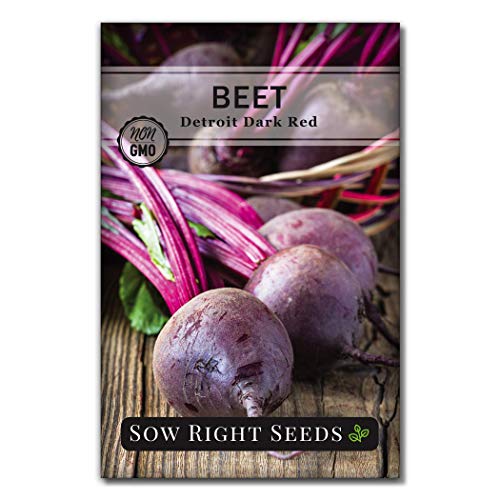
Beautiful - Large premium packet of Detroit Dark Red Beet (Beta var. ‘Detroit Dark Red’) seeds. Vivid, dark red 2-3" round beets have sweet flesh and tasty edible greens. This resilient variety can tolerate temperature variations, offering high productivity even in less-than-ideal soil conditions. Minimum of 1.5 g per packet (about 90 seeds).

Sweet, Coreless Roots: Heirloom carrots with tender 9-10 inches orange taproots and high sugar content. Grow in 3-10 USDA zones. Great carrots seeds for planting in any home garden.
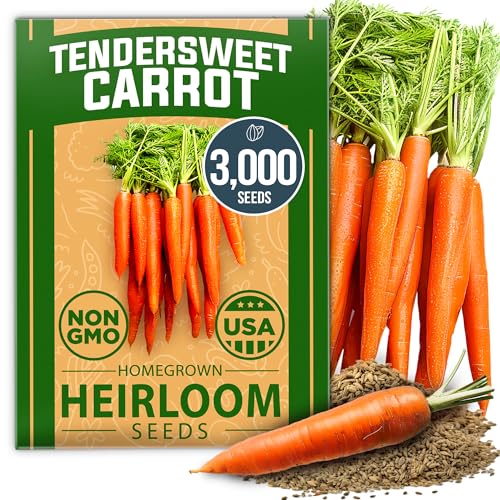
Premium Tendersweet Carrot Seeds: Authentic Open-Pollinated Premium Heirloom Seeds (USA) Non-GMO, Untreated, High Germination Rate. Phenomenal dessert Brix profile. High-impact carotene energy. An outstanding orange monolith for open ground, high ridges, and patio containers. Your garden bed is your pride.
Tips for Planting Beets and Carrots Together
- Choose the Right Location: Ensure your garden receives at least 6 hours of sunlight daily.
- Prepare the Soil:
- Loosen the Soil: Use a garden fork to loosen the soil at least 10 inches deep.
- Add Compost: Mix in 2-4 inches of compost to improve soil quality.
- Planting:
- Spacing: Plant beets and carrots 2-3 inches apart in rows 12-18 inches apart.
- Planting Depth: Sow seeds at a depth of 1/4 inch.
- Watering:
- Consistent Moisture: Ensure soil stays consistently moist but not waterlogged.
- Avoid Overwatering: Check soil moisture regularly to prevent overwatering.
- Weeding and Thinning:
- Regular Maintenance: Keep the area around beets and carrots weed-free.
- Thinning: Thin seedlings to ensure proper spacing once they reach 1-2 inches tall.
- Harvesting:
- Timing: Beets are ready for harvest in 45-65 days, while carrots take 60-80 days.
- Gently Pull: Carefully pull beets and carrots from the ground to avoid damaging them.
- Succession Planting:
- Continuous Harvest: Plant new beet and carrot seeds every 2-3 weeks for a continuous supply.
- Pest Control:
- Natural Remedies: Consider planting companion plants like marigolds to deter pests.
- Regular Monitoring: Keep an eye out for pests to address issues promptly.
Maintaining a Healthy Garden with Beets and Carrots
Planting beets and carrots together not only maximizes garden space but also promotes a healthy ecosystem for both crops. To maintain a thriving garden with beets and carrots, consider the following tips:
- Companion Planting: Pair beets with onions to deter pests like aphids and carrots with radishes to prevent carrot root fly infestation.
- Regular Watering: Ensure your beets and carrots receive 1-1.5 inches of water per week, either through rainfall or manual watering.
- Mulching: Apply a layer of organic mulch around your plants to retain moisture, suppress weeds, and regulate soil temperature.
- Fertilization: Use a balanced fertilizer or compost to provide essential nutrients for healthy root development and robust growth.
- Pest Control: Keep an eye out for common pests like root maggots and leaf miners, and take immediate action using organic pest control methods.
- Crop Rotation: Avoid planting beets and carrots in the same spot year after year to reduce disease build-up in the soil.
- Harvesting: Harvest beets when they reach 1-3 inches in diameter and carrots when they are finger-sized for the best flavor and texture.
Explore these strategies to maintain a bustling garden full of nutritious beets and carrots.
Recommended Products
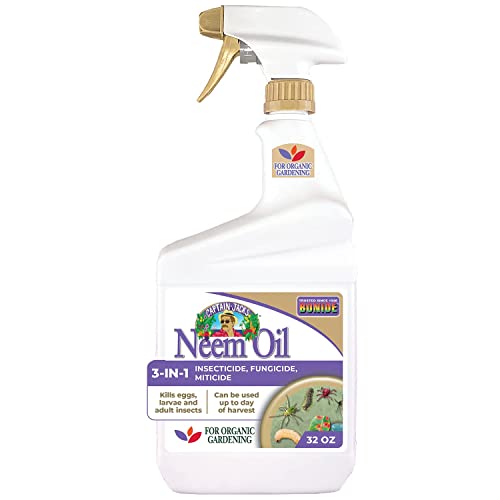
Protect your oasis with 3 garden products in 1 from Captain Jack’s; Bonide Captain Jack’s Ready-to-Use Neem Oil spray for plants is a multi-purpose fungicide, insecticide and miticide for your lawn & garden

KILLS LISTED INSECTS THROUGH CONTACT: Spinosad-based formula controls aphids, caterpillars, mealybugs, spider mites, thrips, and 30 listed pests on edible and ornamental plants

READY-TO-USE CONTACT SPRAY: No mixing required. Thoroughly spray insecticide on all plant parts, including the underside of leaves. Pests must be sprayed directly to achieve control
Conclusion
You now have a solid foundation for successfully growing beets and carrots together in your garden. By implementing companion planting, proper watering, mulching, fertilization, pest control, crop rotation, and harvesting techniques, you can create a harmonious environment for these vegetables to thrive. Remember, a healthy garden is a result of consistent care and attention to detail. With these strategies in mind, you’re on your way to enjoying a bountiful harvest of delicious beets and carrots. Happy gardening!
Frequently Asked Questions
Can I plant beets and carrots together in my garden?
Yes, planting beets and carrots together in your garden is beneficial as they have similar soil and care requirements, making them compatible companions.
What are good companion plants for beets and carrots?
Onions and radishes are excellent companion plants for beets and carrots as they help deter pests and promote healthy growth.
How often should I water my beet and carrot plants?
Regular watering is essential for beet and carrot plants. Water deeply once a week, ensuring the soil remains consistently moist but not waterlogged.
Is mulching necessary for growing beets and carrots?
Mulching helps retain moisture in the soil and suppresses weeds, making it beneficial for growing healthy beets and carrots.
Should I fertilize my beet and carrot plants?
Fertilize beet and carrot plants with a balanced fertilizer to provide essential nutrients for their growth and development.
How can I control pests in my beet and carrot garden?
Implement natural pest control methods such as hand-picking pests, using insecticidal soap, or planting pest-repelling companion plants like onions and radishes.
Why is crop rotation important for beets and carrots?
Crop rotation is crucial for beets and carrots to prevent the build-up of diseases and maintain soil health by alternating plant families in different garden areas.
When is the best time to harvest beets and carrots?
Harvest beets when they reach a suitable size, usually around 1-3 inches in diameter, and carrots when they are mature and bright in color for the best flavor and texture.
