

Ever wondered when the perfect time is to plant your beets? Picture this: you’re eager to start your beet garden, but you’re not quite sure when to begin. Don’t worry, you’re not alone! Timing is key when it comes to planting beets, and getting it right can make all the difference in your harvest.
Best Time of Year to Plant Beets
When it comes to planting beets, timing plays a crucial role in the success of your crop. Beets thrive in cool weather, making early spring and early fall the best times of the year to plant them.
Spring Planting
- Sow beet seeds directly into the soil as soon as the ground is workable in the early spring.
- Beets prefer temperatures between 50°F and 75°F for optimal growth.
- Planting too late in the spring can result in beets being exposed to extreme heat, causing them to become woody and bitter.
- For a late-season harvest, plant beets in late summer for a fall crop.
- Cooler temperatures in the fall enhance the sweetness of the beets.
- Consider planting around 8-10 weeks before the first expected fall frost for a successful autumn harvest.
Remember, the timing of planting beets is crucial for healthy growth and a bountiful harvest. By considering the best times of the year to plant beets, you set yourself up for a successful gardening experience.
Recommended Products

Classic sweet beetroot + greens, Detroit Dark Red, a dependable heirloom table beet (Beta vulgaris); deep red, round roots with strong tops; great for roasting, salads, pickling, and storage

COOL WEATHER VEGGIES – Essential spring mix of leafy greens, root vegetables and herbs perfect for both early planting or fall gardens, makes a great gift for gardeners and beginners
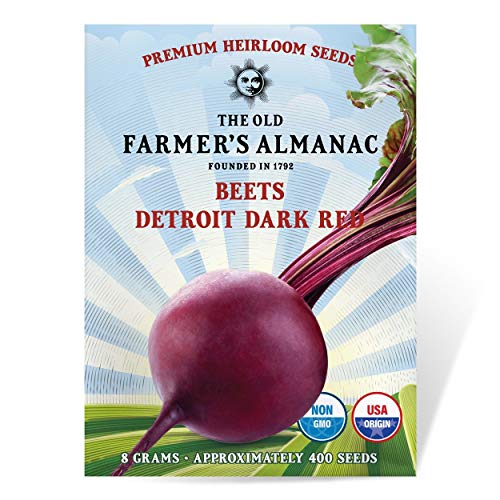
Growing Tips - Beets are a cool weather crop best sown directly in early spring, after the danger of frost has passed, or in early fall. After 45-55 days, beets should be 2-3" wide; but they can be harvested earlier if “baby” beets are preferred.
Planting Beets in Spring
When planting beets in spring, sow seeds as soon as the ground is workable. This ensures they have ample time to establish before warmer temperatures hit. Early planting also helps avoid exposing beets to extreme heat, which can hinder their growth. Remember, beets thrive in cool weather, so timing is key to a successful harvest.
Here are some practical tips for planting beets in spring:
- Choose a sunny spot with well-drained soil for optimal growth.
- Prepare the soil by removing any rocks and adding compost for nutrients.
- Plant beet seeds about 1 inch apart and 1/2 inch deep in rows.
For a bountiful harvest of fresh, sweet beets, spring planting sets the foundation for a successful growing season.
Planting Beets in Summer
- When planting beets in summer, remember:
- Beets prefer cooler temperatures, so choose a partially shaded spot if possible.
- Ensure consistent watering to prevent bitter-tasting roots.
- Mulch around plants to retain moisture and keep roots cool.
- Harvest promptly to prevent beets from becoming woody or losing flavor.
| Key Facts | Data |
|---|---|
| Optimal Temperature for Beets | 60-75°F (15-24°C) |
| Watering Needs | 1-2 inches per week |
| Time to Maturity | 50-70 days |
Planting Beets in Fall
When planting beets in the fall, you’re taking advantage of the cooler temperatures, which beets thrive in. Here are some key tips to ensure a successful beet planting experience:
- Timing: Plant your beets about 8-10 weeks before the first expected frost in your area.
- Soil Preparation: Ensure your soil is loose, well-draining, and rich in organic matter for optimal beet growth.
- Sowing: Plant seeds about 1 inch deep and 2-3 inches apart in rows spaced about 12-18 inches apart.
- Watering: Keep the soil consistently moist but not waterlogged to promote proper beet root development.
- Mulching: Mulch around your beet plants to help regulate soil temperature and retain moisture.
- Thinning: Once seedlings are a few inches tall, thin them to about 3-4 inches apart to give room for the beets to grow.
- Pest Control: Keep an eye out for pests like aphids and beet leafhoppers, and take necessary measures to protect your plants.
Remember, fall planting gives you a chance to enjoy fresh, flavorful beets well into the cooler months.
| Optimal Temperature Range | 60-75°F | 15-24°C |
|---|---|---|
| Watering Needs | 1-2 inches per week | |
| Time to Maturity | 50-70 days |
Recommended Products

ABUNDANT AUTUMN & WINTER HARVEST: Unlock a generous bounty of the finest autumn and winter vegetables from our carefully curated collection. Designed for fast results, effortless care, and high yields, this premium assortment allows you to plant new crops multiple times per season. Experience the joy of growing robust, cold-hardy varieties that thrive in shorter daylight hours and cooler temperatures.
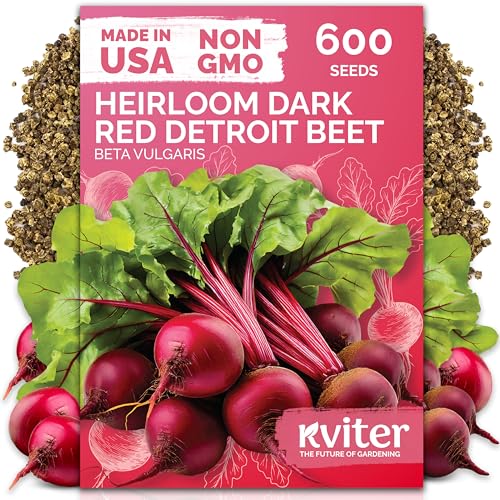
55-60 Day Harvest: Red beet seeds mature fast with tender 2-3 inch roots and sweet classic flavor; sow in loose, well-drained soil at 55-70 °F for best vegetable seeds results.
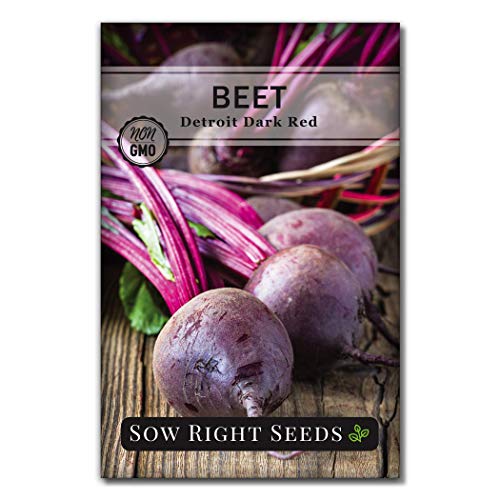
Beautiful - Large premium packet of Detroit Dark Red Beet (Beta var. ‘Detroit Dark Red’) seeds. Vivid, dark red 2-3" round beets have sweet flesh and tasty edible greens. This resilient variety can tolerate temperature variations, offering high productivity even in less-than-ideal soil conditions. Minimum of 1.5 g per packet (about 90 seeds).
Tips for Successful Beet Planting
When planting beets, it’s crucial to follow a few key tips to ensure a successful harvest. Here are some practical pieces of advice to guide you through the beet planting process:
- Timing is Essential: Plant your beets 8-10 weeks before the first expected frost for optimal growth and development.
- Prepare the Soil: Ensure your soil is loose, well-draining, and free of rocks to allow the beet roots to grow unimpeded.
- Proper Spacing: Plant beet seeds 1-2 inches apart in rows spaced about 12-18 inches apart for adequate room to grow.
- Consistent Soil Moisture: Beets require 1-2 inches of water per week, so maintain consistent soil moisture to encourage healthy growth.
- Mulching Benefits: Consider mulching around your beet plants to help regulate soil temperature and retain moisture, especially during hot summer months.
- Thinning Seedlings: Once seedlings emerge, thin them to at least 3-4 inches apart to prevent overcrowding and ensure proper root development.
- Pest Management: Be vigilant for pests like aphids and leaf miners and take appropriate action to protect your beet plants.
By following these tips, you’ll set yourself up for a successful beet planting experience and enjoy a bountiful harvest of delicious, homegrown beets.
Recommended Products

FEEDS UP TO 6 MONTHS: Miracle-Gro Moisture Control Potting Soil Mix feeds plants for up to 6 months and Grows Plants Twice As Big (vs unfed plants)
Grow beautiful plants with less water

FEEDS UP TO 6 MONTHS: Miracle-Gro Moisture Control Potting Soil Mix feeds plants for up to 6 months and Grows Plants Twice As Big (vs unfed plants)
Conclusion
By following these guidelines for successful beet planting, you’ll set yourself up for a bountiful harvest of delicious homegrown beets. Remember to plant your beets 8-10 weeks before the first expected frost, ensure your soil is loose and well-draining, space your seeds properly, keep the moisture consistent, mulch for temperature control, thin out seedlings to avoid overcrowding, and manage pests like aphids and leaf miners. With these tips in mind, you’ll be on your way to enjoying your own fresh beets straight from the garden. Happy planting!
Frequently Asked Questions
When is the best time to plant beets?
Plant beets 8-10 weeks before the first expected frost for a successful harvest.
How should I prepare the soil for planting beets?
Ensure loose and well-draining soil to promote healthy beet growth.
What is the proper way to space beet seeds?
Space beet seeds properly to allow enough room for growth and development.
Why is consistent moisture important for beet plants?
Maintain consistent moisture to keep beet plants healthy and thriving.
Should I use mulch when growing beets?
Mulch around beet plants for temperature regulation and weed prevention.
Why is thinning seedlings important in beet planting?
Thinning seedlings prevents overcrowding, promoting better growth and yield.
How can I manage pests like aphids and leaf miners in my beet garden?
Implement pest management strategies using natural methods or organic solutions.
