


When planning garden beds the layout often determines how easy it is to reach every plant without stepping on the soil.
I have found that simple frames keep the edges clean and make pathways feel more intentional over time.
Raised beds also change how water moves through the space which becomes clear after the first heavy rain.
Some hold up better than expected.
Testing a basic version in one corner of the yard usually reveals what needs adjusting before expanding.
Raised Beds Made From Basic Lumber
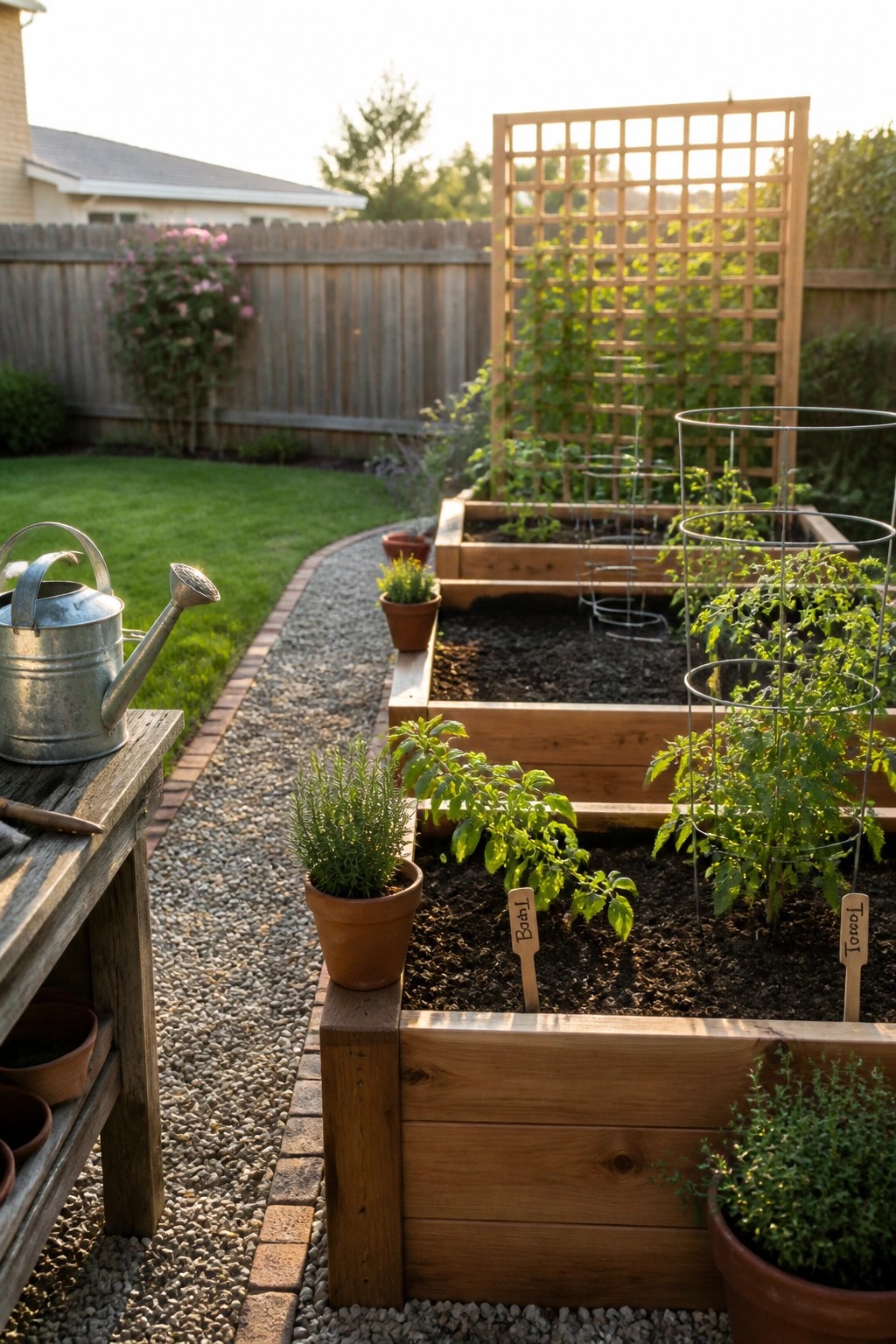
Raised beds built from plain wood give you a clean way to grow vegetables without dealing with poor soil or constant weeding. The frames keep everything contained, make watering simpler, and let you add plant supports right where you need them.
This style works best in smaller yards or along a side path where you want a tidy layout that still feels practical. Start with straight boards and basic corner posts, then add cages for tomatoes or trellises for vines as the plants grow.
Metal Tubs As Raised Garden Beds
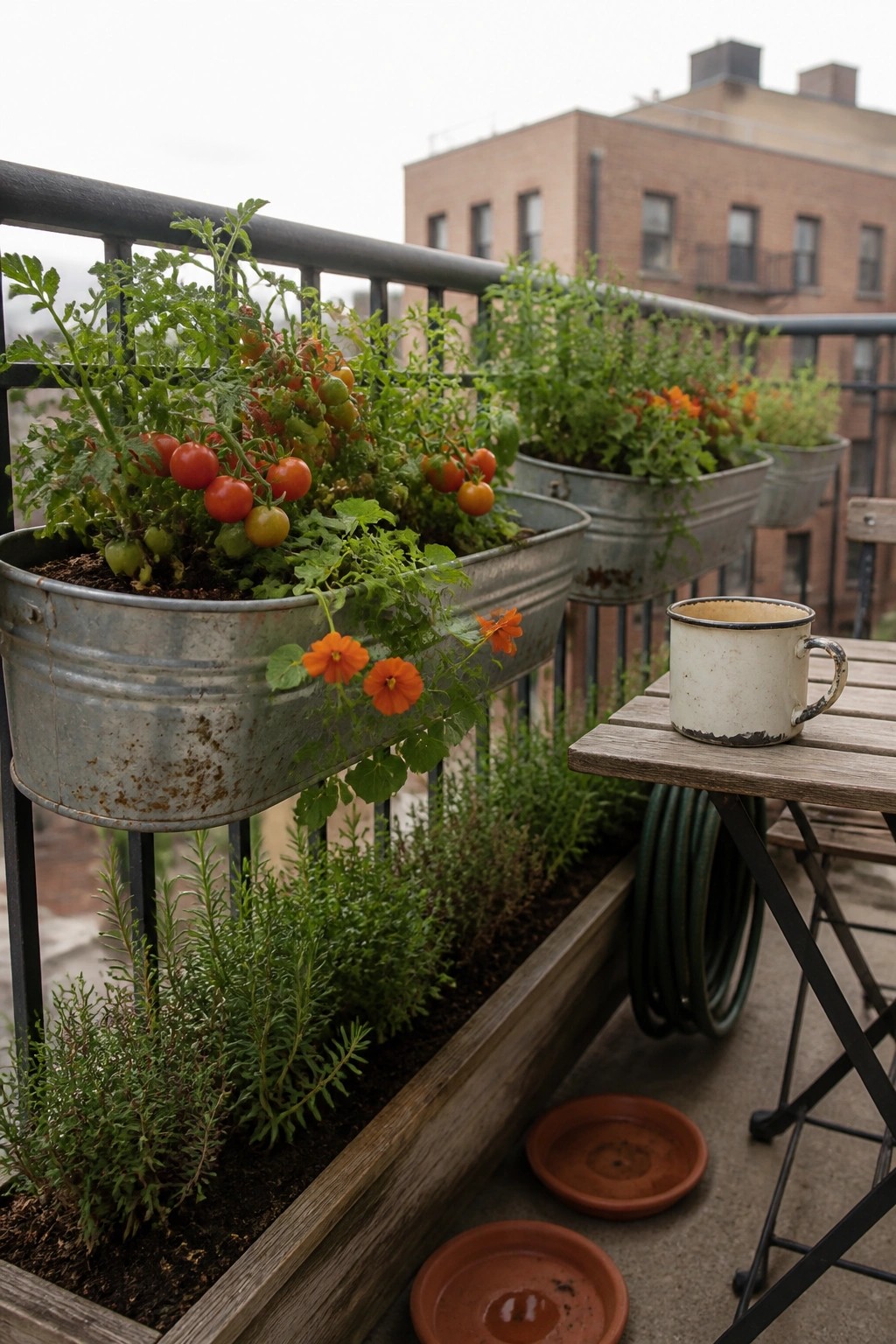
Many people like using old metal tubs for raised beds because they are cheap and already shaped like a container. They hold soil well and can be moved around if needed, which helps on a balcony or small deck.
Hang them from a railing or set them on the ground depending on your space. They work best in sunny spots where vegetables like tomatoes can get good light, and you can add drainage holes if the tubs did not come with them.
Labeled Raised Beds Keep Everything In Order
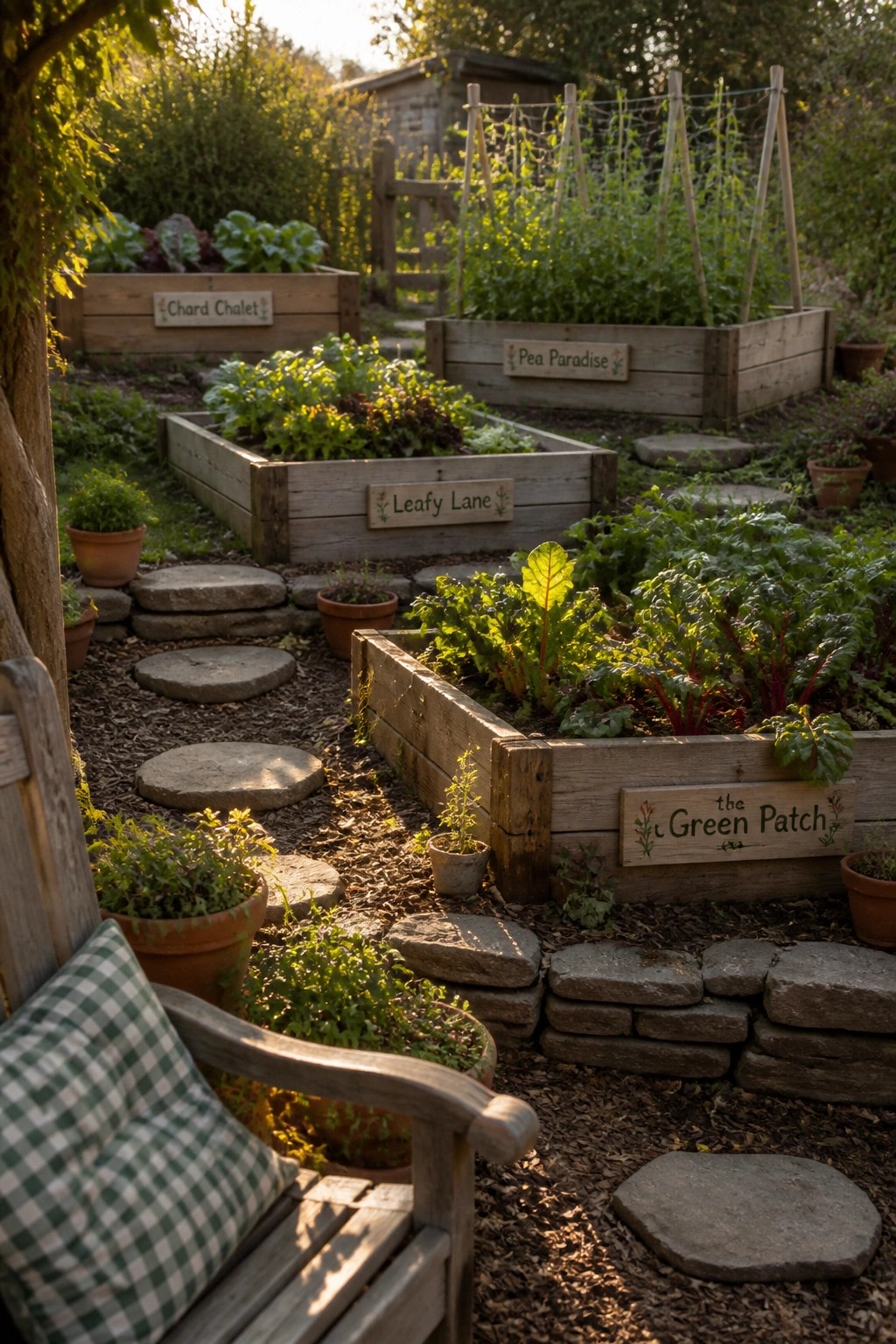
Raised beds become much easier to manage when each one has a clear label. It helps you track what you planted without guessing later in the season, and it makes crop rotation simpler year after year.
You can cut simple signs from scrap wood or use small plaques like the ones shown here. This approach works best in a vegetable garden where you grow several different crops close together.
Raised Metal Beds For Lasting Structure

Metal raised beds hold their shape without warping or rotting, which makes them a solid choice for beginners who want something that lasts. The clean rectangular form also helps keep the garden looking tidy even when plants grow in different heights.
These beds work best along paths or near seating areas where you need clear edges. Place them on gravel or pavers, add soil, and you are done. They suit smaller yards and modern homes that need simple lines rather than lots of wood framing.
Raised Garden Beds Along A Path

Raised beds placed along a path give you easy access to the plants while keeping the soil neatly contained. This layout works especially well for beginners because the beds are simple to build and the path keeps everything organized without extra fencing or edging.
You can make the beds from basic lumber and set them at a comfortable height for weeding and watering. The approach suits side yards or smaller gardens where you want to lead people through the space without crowding the house.
Cinder Block Raised Beds
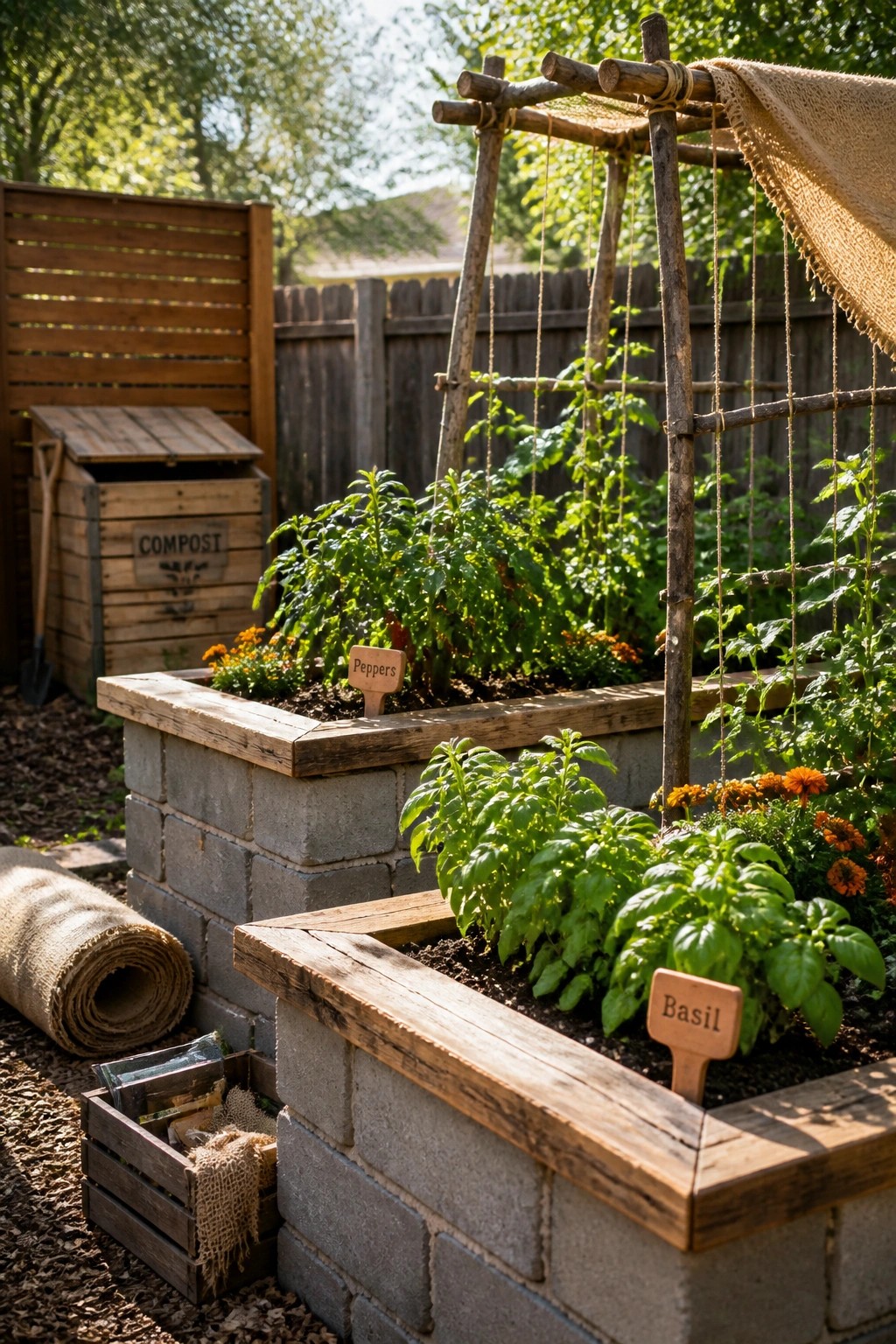
Cinder block raised beds give beginners a fast way to build something sturdy without fancy tools or carpentry skills. The blocks stack in straight lines, hold the soil in place, and create a solid frame that can last for years.
You can cap the blocks with simple wood planks for a cleaner edge and add a basic trellis for taller plants if needed. This approach works well in small yards or along fences where you want clear planting zones.
Tiered Raised Beds For Sloped Yards

Raised beds work well on slopes when they are stacked in tiers. This keeps each planting area level so the soil stays in place and water does not run off too fast. The wooden boxes stay sturdy and give you clear growing zones without a lot of extra grading.
Stone steps between the beds make it easy to reach everything without compacting the soil. This layout suits a vegetable garden on a hillside where you want separate sections for different crops and simple weekend access.
Raised Beds Along A Path
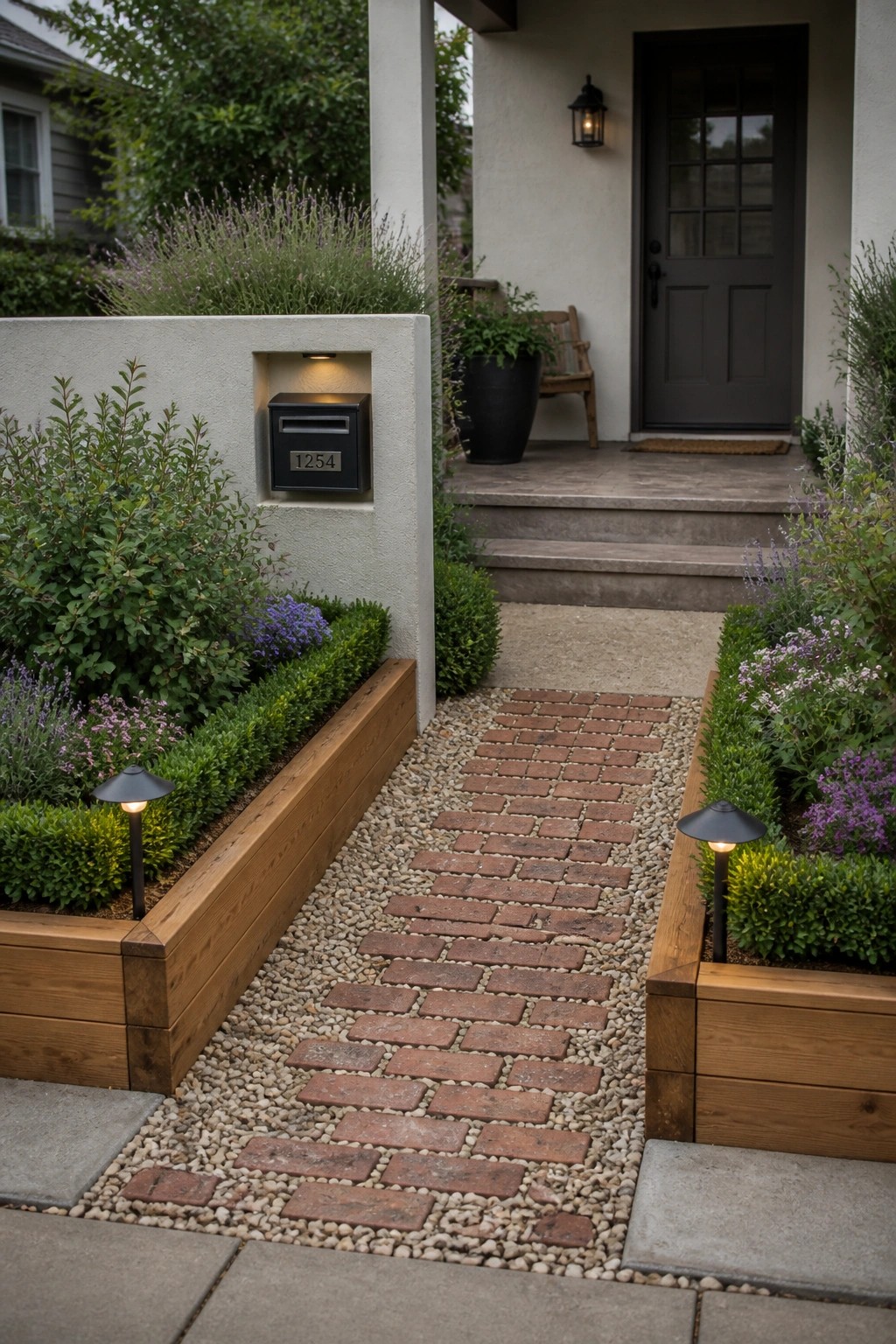
Raised beds make a simple way to give a walkway clear edges. They keep plants contained, cut down on weeding along the path, and add height without much extra work.
This layout works best on a front walk or side path where you want an easy weekend project that still looks finished. Keep the beds narrow enough that you can reach across them, and use a material like cedar so the wood holds up over time.
Raised Beds Make Vegetable Gardening Easier

Raised beds give you better control over soil quality and keep plants from getting crowded. They also reduce bending and make it simpler to reach everything during planting or harvest.
Wood frames like the ones shown here work well in most backyards. Place them in straight rows with gravel paths between so you can move around easily and keep weeds from spreading.
Raised Beds Built with Brick Borders

A low brick wall makes a solid raised bed that holds soil well and gives the garden a tidy edge. It works especially well when the bed sits right against a patio so the plants stay close without spilling over the walking area.
This style suits small yards where you want both growing space and room to sit. Stack the bricks in a gentle curve or straight line, level the base first, and add a simple liner if needed. Keep the height low so the bed stays easy to reach from either side.
Build Simple Stacked Wood Raised Beds

Raised beds made from stacked lumber give you better soil control and keep plants off the ground. They also make weeding and harvesting easier without a lot of bending.
These beds work well along paths or in smaller yards where space is limited. Use untreated wood and keep the frames low so they stay easy to build in a weekend.
Raised Beds With Built-In Reservoirs

One simple upgrade for any raised bed is adding a water reservoir at the bottom. It cuts down on daily watering, which matters on a deck or rooftop where the sun and wind dry soil out quickly. The setup keeps moisture steady for tomatoes, herbs, and taller crops without much extra work.
This style suits small urban spaces or anyone who wants lower maintenance. Just check the water level every few days and top it off as needed. Make sure there is still a soil layer with proper drainage so roots stay healthy above the reservoir.
Stacked Stone Raised Beds For Herbs

Stacked stone works well for raised beds because it stays put once set and gives a finished edge without needing much extra material. The low curved shape keeps the beds easy to reach from the path while still holding soil in place for steady herb growth.
This approach fits small side yards or corners near the house where you want beds that feel settled rather than temporary. Level the base row first and stack from there so the whole bed stays stable through seasons.
Raised Beds Built With Wood And Metal
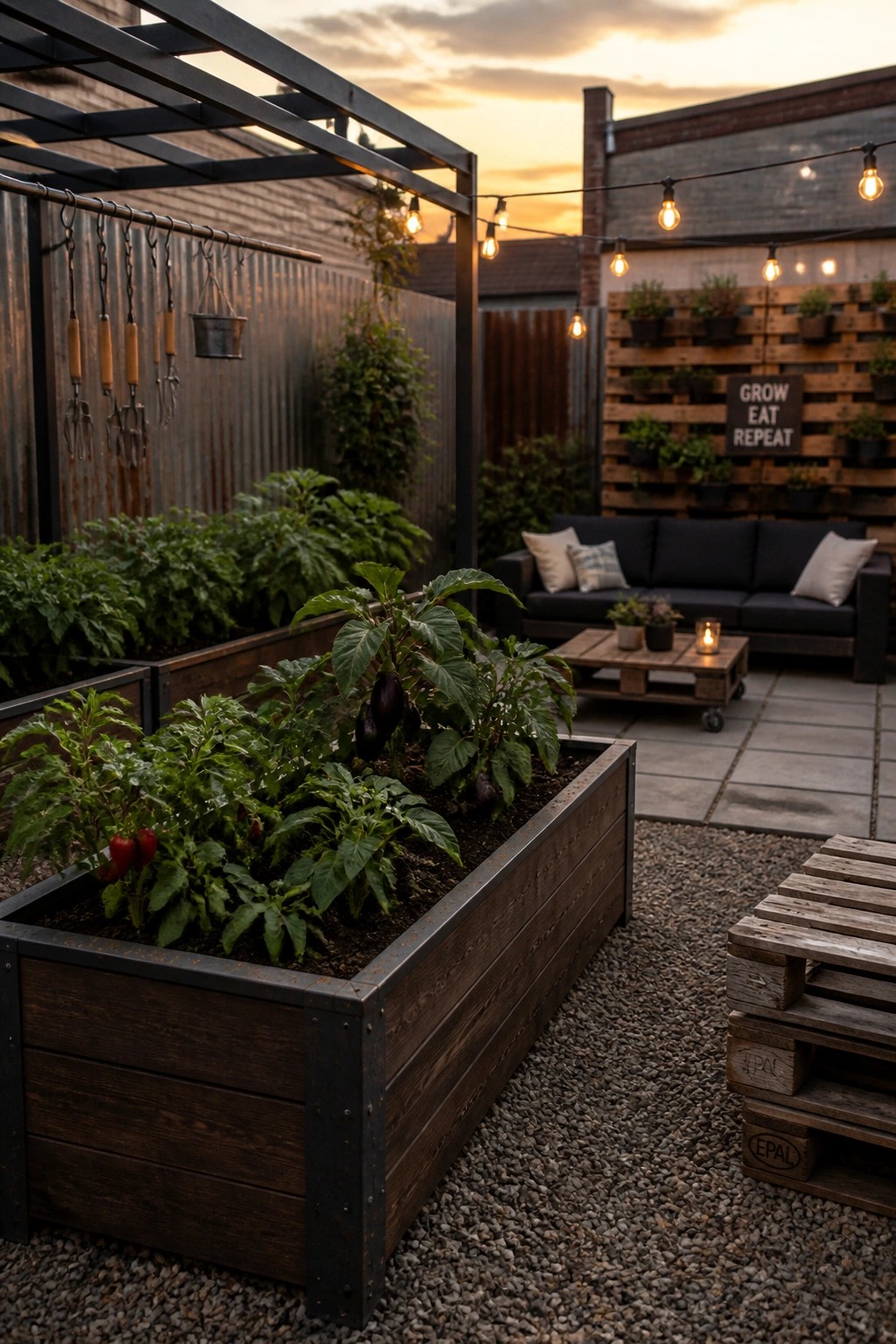
Wood raised beds with metal corners give you a simple way to start growing vegetables without much fuss. The combination keeps the wood from warping over time and makes the beds look finished even in a small yard.
This style works best on gravel or paved areas where drainage matters. You can build them in a weekend using standard lumber and basic brackets, and they suit urban backyards that need something sturdy but still easy to move or adjust later.
Raised Beds in a Narrow Side Yard

Narrow spaces between a house and a fence often get ignored, but raised beds can turn them into useful growing areas without much trouble. The beds sit right against the wall and run the length of the path, which keeps everything off the ground and easy to reach from one side.
This setup works well on small lots or in townhomes where every foot counts. Keep the beds under 4 feet wide so you can tend them from the path, and use simple untreated lumber if you want a quick weekend build.
Painted Pallet Raised Beds

Painted pallets give you a fast way to build raised beds that already look finished. The wood comes in ready sections, and the bright colors add interest without needing extra trim or paint after assembly.
This style works well in smaller yards or family gardens where the beds need to stand out from the lawn. Check that the pallets are untreated and line the inside before adding soil so plants stay healthy.
Building Raised Beds With Brick

Brick makes a solid choice for raised beds because it holds up well over time and gives the garden a clean, structured look. The beds sit right along a stone path, which keeps the layout easy to walk and tends to the plants without much extra work.
This approach works best in smaller yards where you want clear separation between growing space and walking areas. Start with a simple rectangular shape on a level spot, and add a flat stone cap if you want a place to rest tools or sit for a moment while you work.
Raised Beds On Wheels

Adding wheels to raised beds makes them much easier to move around. You can shift them for better sun, roll them out of the way for a gathering, or bring them closer when you want to tend the plants without bending over as far.
This works best on a flat deck or patio surface where the beds can roll without getting stuck. Keep the wheels sturdy and lockable so the beds stay put once you have them where you want them.
Frequently Asked Questions
Q: Is pine okay or do I need cedar for this? A: Pine works fine for a starter bed. It costs less and holds up for a few seasons. Seal it if you want it to last longer.
Q: How much soil do these beds need? A: Buy enough to fill them level with the top. Break up any big clumps as you pour it in. Level it out with a rake before planting.
Q: Where should I put the bed in my yard? A: Pick a spot that gets sun most of the day. Morning light helps dry the leaves and cuts down on mold.
