


I often find that garden beds without barriers lose plants faster than expected once pests find an easy path in.
Raised beds gain better structure when fence panels are added early because the edges help shape how the whole growing area fits into the yard.
Fencing changes everything.
I like to try one panel setup in a single bed first so I can see how it holds up once the plants mature and the layout settles.
Over a few seasons this shows which heights and materials actually protect the beds without crowding the surrounding paths or making the space feel boxed in.
Raised Beds With Fence Panels

Many gardeners add fence panels behind raised beds to create a simple barrier that helps keep animals out. The panels also give climbing plants something to grow against, which keeps the beds tidier and easier to manage over time.
This setup works best in smaller yards where space is tight and you need both support and protection in one spot. Use sturdy wood panels or lattice so air can still move through while the fence does its job.
Raised Beds Along Fencing

Placing raised beds directly against a fence gives climbing plants a ready support structure while also creating a simple barrier. The setup works especially well for vegetables like cucumbers or beans that need vertical room to grow without taking over the whole yard.
This approach suits narrow side yards or tight garden spaces where every inch counts. Just check that the fence can handle the weight of mature plants and that the beds sit level so water drains properly.
Raised Beds Against Fence Panels for Easy Pest Protection

Placing a raised bed right against a fence panel gives plants a solid back wall that blocks many common pests. The fence keeps rabbits and other animals from easy access while the height of the bed makes it harder for slugs and ground insects to climb in. Many people find this simple pairing cuts down on the need for extra netting or sprays.
This approach works best along the edge of a yard or beside a path where space is limited. It suits vegetable gardens or mixed flower beds on smaller lots. Use a sturdy fence material and make sure the bed is at least six inches deep so roots have room to grow without crowding the fence.
Mesh Panels Behind Raised Beds
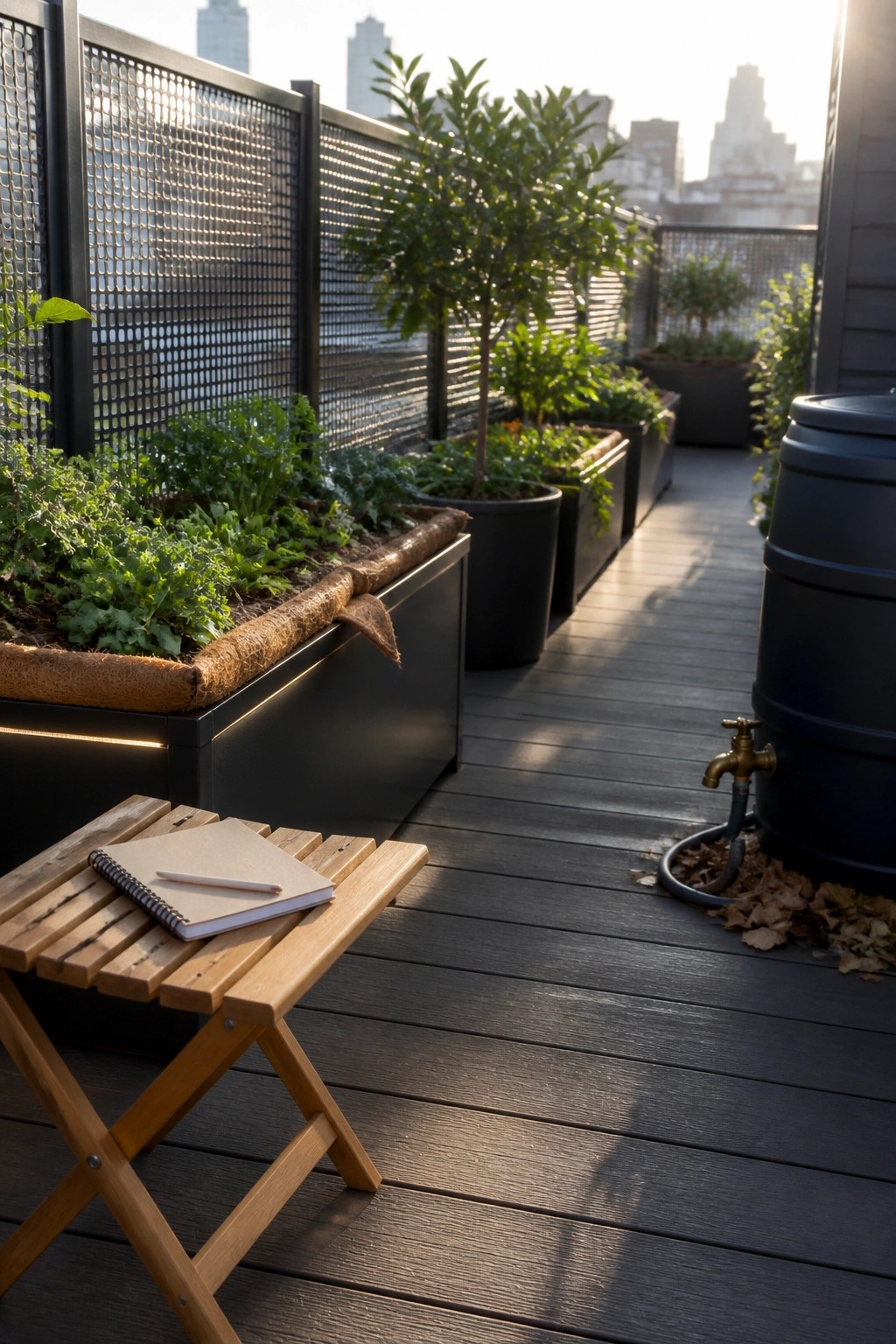
Many gardeners add mesh or perforated panels behind raised beds to create a quick barrier. The panels help keep larger pests out while still letting light and air reach the plants.
This setup works best on decks or rooftops where beds sit against a railing or wall. Mount the panels securely so they stay upright, and choose a height that matches the tallest plants you plan to grow.
Fence Panels Around Raised Beds

Adding fence panels directly around raised beds gives you a built-in way to block animals without needing a full yard fence. The horizontal slats sit low enough to stop rabbits and other diggers while still letting the plants get air and sun.
This setup works best in smaller gardens where space is tight and you want protection right at the bed level. It suits homes that already have garden beds but need a simple upgrade to keep pests out.
Raised Beds With Lattice Panels

A raised bed lined with lattice or fence panels gives plants a bit of extra protection while keeping the whole setup looking neat. The vertical panels block some animals from reaching the crops and give vining plants or small trees something to lean on without taking up extra ground space.
This setup works well along a property line or the side of a patio where you want a clean edge and fewer pest problems. Use sturdy wood for the panels so they last, and keep the bed height around two feet so you can reach the plants easily without bending too much.
Raised Beds With Wire Panels Block Pests

Many people add simple wire panels on top of their raised beds to keep animals out. The mesh stops rabbits and birds without blocking sun or rain, and it keeps the beds looking neat rather than covered in loose netting.
This setup works best in smaller gardens where space is tight and pests show up often. Hinge the panels so they lift easily for weeding and harvesting.
Fence Panels Around Raised Beds Keep Pests Out
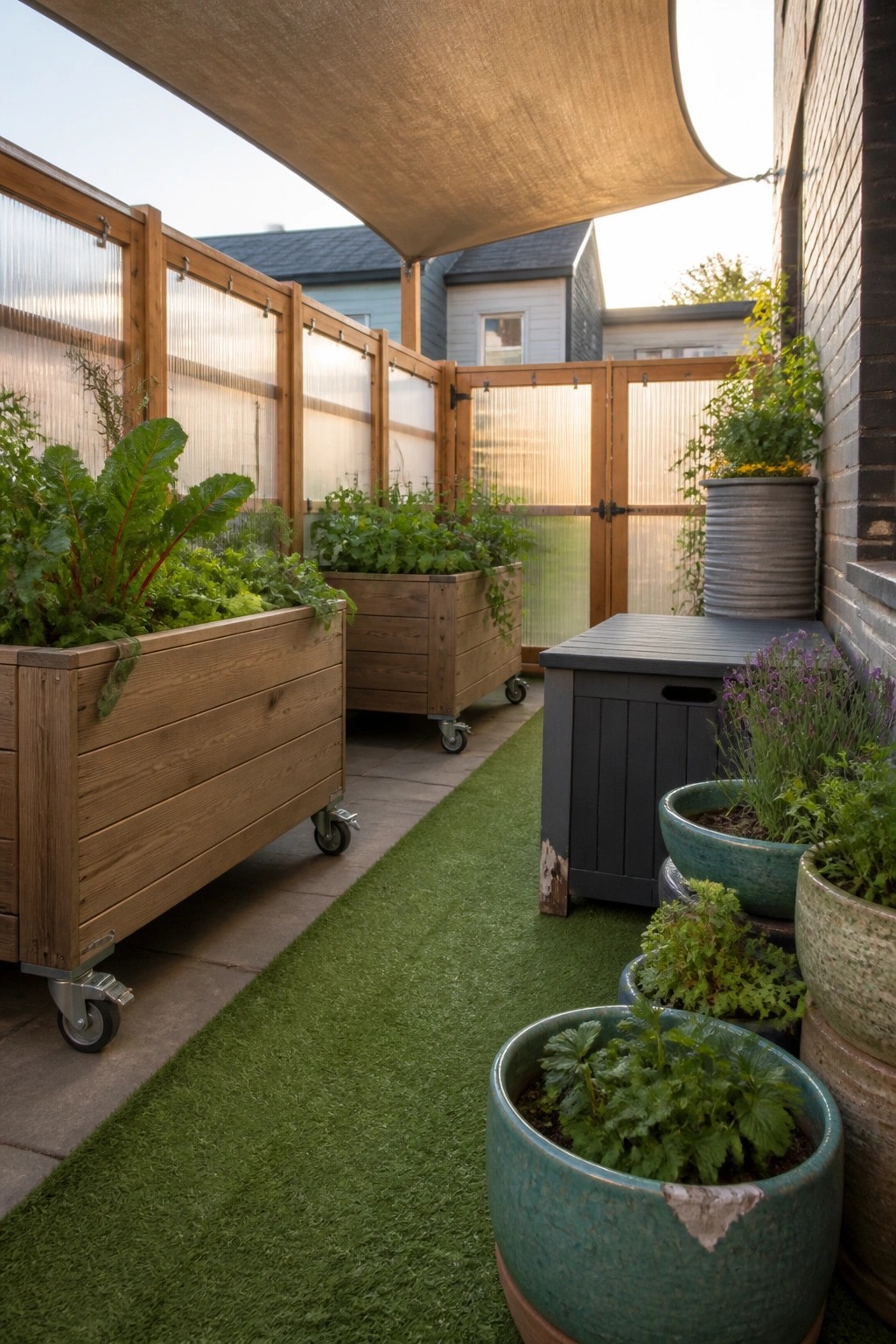
Adding fence panels to raised beds gives plants a simple layer of protection that many gardeners overlook. The panels block small animals from reaching the crops while still letting light through, so the beds stay productive without constant watching.
This approach suits small yards or side areas where a full fence would feel too heavy. Wheels on the beds make it easy to shift them for sun or soil changes, while the panels stay fixed to do the main work of keeping pests out.
Back Raised Beds With A Woven Fence Panel

A woven fence panel behind raised beds gives plants a bit of shelter while helping keep some pests from wandering in. It creates a simple barrier that feels more permanent than loose netting alone.
This works best in vegetable gardens where you already have a few beds grouped together. Place the fence along the back edge and add light netting over the top if birds or larger insects are an issue. Keep the fence height low enough that it does not shade the plants.
Raised Beds Backed by Fence Panels

Many gardeners like the look of raised beds set right in front of a fence line. The vertical panels give the plants a clear boundary and help block some of the wind while keeping larger pests from reaching the beds easily.
This layout works best in smaller yards or along a patio edge where you want the garden to feel contained. Keep the fence height moderate so it does not shade the plants too much, and choose a material that matches the bed frames for a simple, unified look.
Fencing Raised Beds to Block Pests

Raised beds already lift plants off the ground, but adding fence panels around them gives extra protection from rabbits, deer, and other animals that like to wander in. The white picket fence in this setup works with wire mesh in spots to close off easy access without making the garden feel closed in.
This approach works best in yards where animals are a regular problem. Keep the fence height around three to four feet and bury the bottom edge a few inches if possible. It stays simple to maintain and lets you still reach the plants easily.
Raised Beds Backed With Wire Fence Panels

Raised beds gain a lot of protection when they sit directly against a fence that includes wire panels. The panels act as a built in barrier that keeps rabbits and other small animals from reaching the plants while still letting light and air through.
This setup works best along a side yard or narrow walkway where a full enclosure would feel too heavy. The fence also gives the beds a clean back edge so the whole row looks more organized without extra materials.
Raised Beds Backed With Mesh Panels
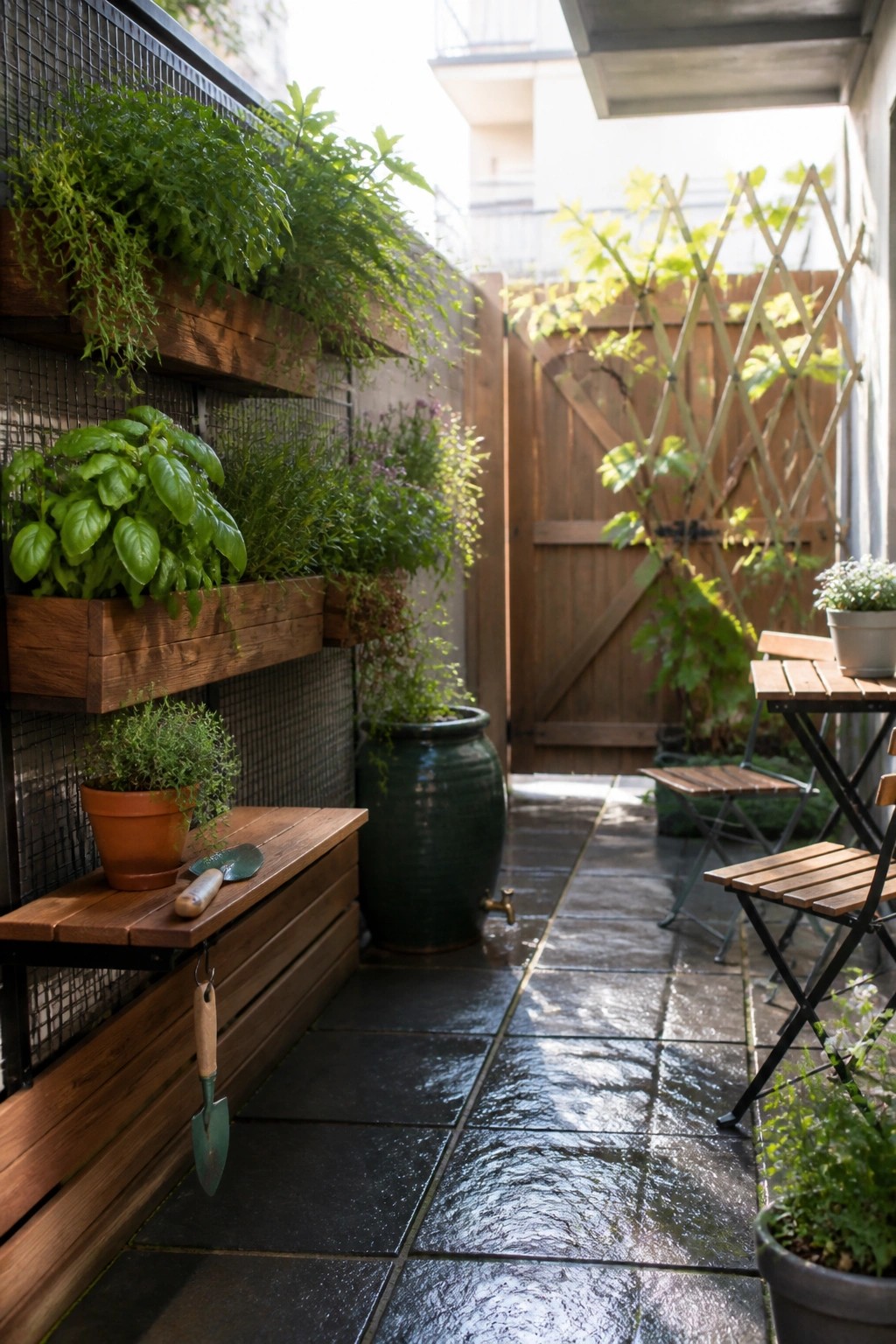
Wall-mounted raised beds with a wire mesh backing give plants a bit of extra defense without taking up floor space. The mesh acts as a simple barrier that can slow down climbing pests while the wood keeps soil contained and raised off the ground.
This setup works best along a fence or side wall in a narrow yard or patio. It suits small urban spaces where ground beds would get trampled or raided, and it keeps everything easy to reach for watering and harvesting.
Raised Beds With Wire Fence Panels

Many gardeners like adding wire fence panels right to the sides of raised beds. It creates a simple barrier that stops rabbits and other small animals from getting to the vegetables without blocking sun or airflow.
This approach works best in open garden areas where pests show up regularly. You can attach the panels to the wooden frame and lift them off when you need to weed or harvest, keeping the beds both practical and protected.
Raised Beds with Mesh Protection

Wire mesh covers on raised garden beds give you a simple way to keep pests away without using chemicals. The mesh lets light and water through while blocking birds, squirrels, and larger insects that often ruin balcony crops.
This setup works especially well on railings or small outdoor spaces where space is tight. You can attach the beds directly to the railing and add mesh panels that lift off easily for harvesting. It suits apartments or townhomes where traditional fencing is not an option.
Place Raised Beds Against A Fence

Raised beds gain extra protection when you set them right up against an existing fence line. The fence acts as a solid back wall that limits how far pests can approach from one side, and it also helps keep animals from stepping into the beds. Many gardeners find this setup cuts down on damage without needing extra barriers on every side.
This works best in smaller yards or along property edges where space is tight. Use a sturdy fence material like chain link or wood panels, and leave a narrow path on the open side for easy access. Keep an eye on airflow so plants do not stay too damp against the fence.
Fence Panels Behind Raised Garden Beds

Raised beds gain extra protection when you add fence panels right behind them. The vertical barrier stops animals from reaching the plants while the height of the bed keeps roots safe and soil contained.
This setup works best along side yards or property edges where space is tight. Keep the fence simple and the bed material durable so the whole structure stays low maintenance over time.
Stone Raised Beds With Lattice Panels

Raised beds work better when you add lattice panels along the back or sides. The panels give climbing plants a place to grow while creating a simple barrier that helps block pests from reaching the plants inside.
This approach suits small patios or side yards where you want vegetables or herbs without building a full fence. Stone or brick beds paired with basic wood lattice keep the look clean and let you adjust the height or spacing as needed.
Raised Beds With Mesh Fencing Block Pests
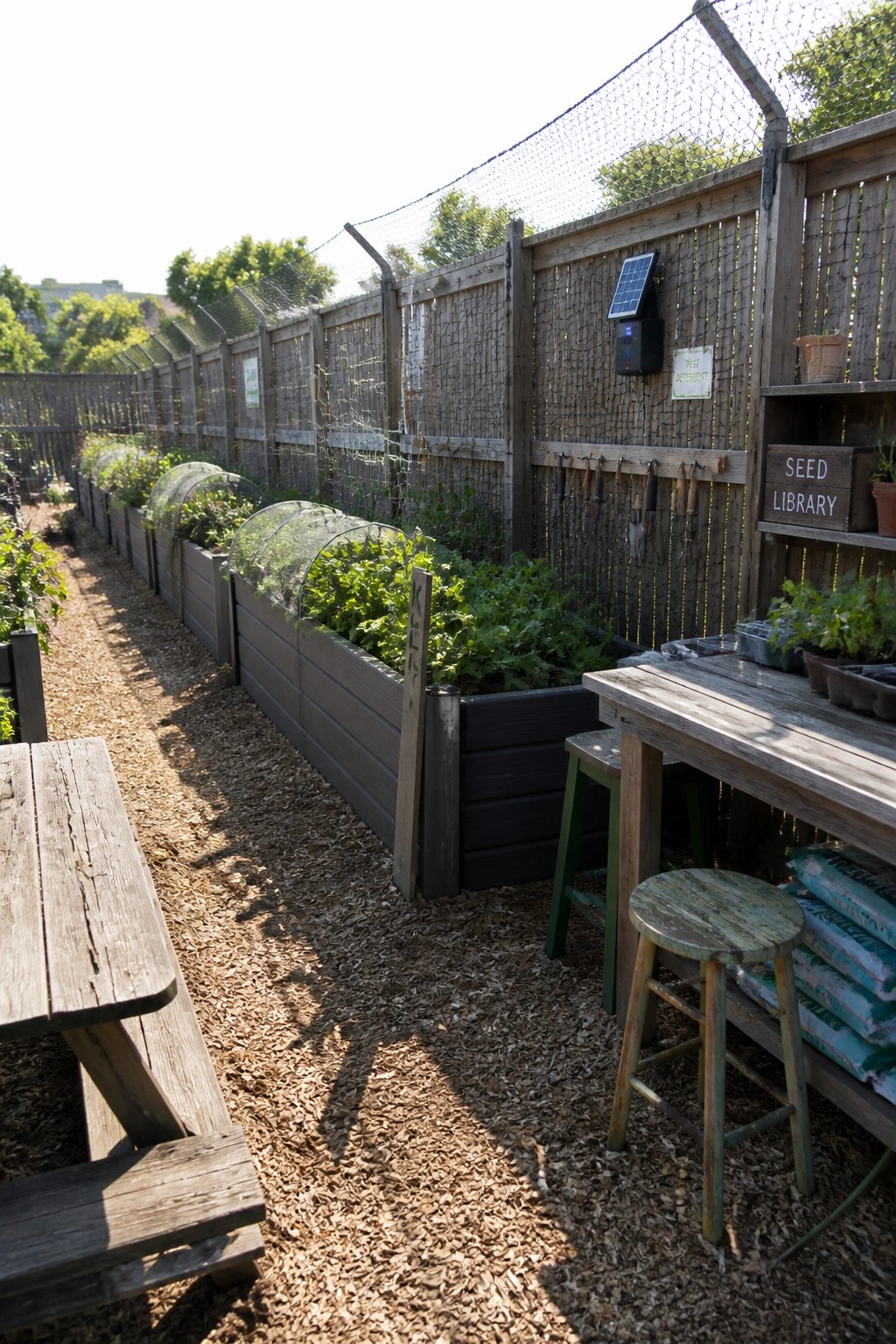
Raised beds paired with mesh fencing above them give gardeners a simple way to keep animals out while still letting plants get light and air. The mesh sits high enough for crops to grow underneath, and the beds themselves stay easy to reach from the sides.
This approach works best in yards that already have some boundary fencing or in community plots where rabbits and birds show up often. Keep the mesh panels secure and check them each season so small gaps do not form over time.
Fencing Off Raised Beds

Raised beds gain a lot of protection when you add fence panels around them. The grid style lets sun and air reach the plants but blocks rabbits and other pests from climbing in.
This works well in family yards where kids play nearby. Keep the fence height just tall enough to do the job without making the beds feel closed in.
Raised Beds With Enclosing Fence Panels

Raised beds placed inside a fenced garden give plants a clear layer of protection from common pests. The fence keeps larger animals out while the raised edges make it harder for smaller ones to reach the plants without extra covers or netting.
This approach works best in yards that have room for a dedicated growing area. Use sturdy fence panels and keep the beds at a comfortable height so maintenance stays simple over time.
Raised Beds Along Property Line Fence Panels

Many people add fence panels behind their raised beds to help keep pests out. The solid backing makes it harder for animals to reach the plants from the rear while still letting you tend the bed from the front.
This works best along the edge of a yard or next to a property line where you already need screening. Choose a fence height that matches the plants you grow so it blocks without shading everything too much.
Raised Beds With Protective Fencing Panels

Raised beds work better when they include some kind of fencing from the start. Wire mesh sides and simple wood panels help block rabbits, deer, and other common pests without needing extra barriers later on. The setup stays neat and keeps the beds looking intentional rather than patched together.
This approach works well in backyards where vegetables or herbs are the main focus. It suits homes with limited space since the fencing doubles as support for climbing plants. Just make sure the mesh is fine enough to stop smaller animals and that the panels can be opened easily for harvesting.
Frequently Asked Questions
Q: How far underground should the fence panels extend to block burrowing pests like voles?
A: Sink the panels at least eight inches below soil level around the entire bed. Pack the dirt back firmly against the base so nothing can tunnel under. Check the edges each spring and add more soil if it settles.
Q: What size mesh works best if rabbits keep chewing through the sides?
A: Use quarter-inch hardware cloth instead of wider chicken wire. Cut it to fit the panels tightly and staple it on the inside so sharp edges stay hidden. This stops small teeth from getting a grip while still letting air flow.
Q: How do I reach plants in the middle without taking the whole fence down every time?
A: Build one panel as a hinged gate on the longest side. Add a simple latch at the top so it swings open easily for weeding or harvesting. Leave enough space inside the bed to step in without crushing plants.
