

Ever wondered if you could grow fresh lettuce from what you usually toss in the trash? You’re not alone. Many people are looking for ways to make the most of their kitchen scraps, and planting lettuce from a stump is a fun and rewarding option.
Key Takeaways
- Lettuce Stumps are Regrowable: You can regrow lettuce from stumps, maximizing kitchen scraps and saving money.
- Preparation is Key: Properly cut and clean the stump, leaving about 2 inches of the core intact for optimal growth.
- Ideal Growing Conditions: Use a shallow container with water initially, ensuring it gets 6-8 hours of sunlight daily.
- Transfer to Soil: Once roots form, move the stump to a pot with quality soil for continued growth and more nutritious lettuce.
- Regular Care Needed: Consistent watering, monitoring for pests, and disease prevention are essential for a successful harvest.
- Multiple Harvests Possible: With proper care, a single stump can yield multiple harvests, giving you fresh greens over time.
Understanding Lettuce Stumps
Lettuce stumps come from the base of the lettuce head, which remains after you cut the leaves. These stumps contain living cells, making them suitable for growth. When given the right conditions, they sprout new leaves, offering a sustainable way to enjoy fresh lettuce.
Benefits of Using Lettuce Stumps
- Cost-Effective: You save money by regrowing produce instead of buying new heads.
- Environmental Impact: Using kitchen scraps reduces waste, contributing to a healthier planet.
- Quick Growth: Lettuce stumps grow fast, often producing new leaves within days.
What You Need to Get Started
- Fresh Lettuce Head: Choose a crisp, healthy lettuce head for optimal results.
- Water Container: Use a shallow bowl or glass filled with water for the stump.
- Light Source: Place the stump in a sunny location, such as a windowsill, for 6-8 hours daily.
How to Prepare the Stump for Planting
- Cut the Lettuce: Leave about 2 inches of the core when harvesting leaves.
- Rinse the Stump: Remove any dirt or leftover leaves under running water.
- Place in Water: Submerge the stump’s cut base in water, ensuring no leaves touch the liquid.
- Change Water Regularly: Replace the water every 2-3 days to prevent mold.
- Monitor Growth: Check for new leaf sprouts and ensure they’re getting enough light.
- Planting in Soil: Once new roots form, transfer the stump into potting soil for continued growth.
By understanding how to effectively use lettuce stumps, you can cultivate fresh greens right from your kitchen, making gardening easy and fun.
Preparing the Stump for Planting
To successfully grow lettuce from its stump, proper preparation is key. This process involves selecting the right stump and cleaning it to promote healthy growth.
Selecting the Right Stump
Choose a fresh, firm stump from a head of lettuce. Look for stumps that are crisp and free from blemishes or soft spots. The best options often come from romaine or butterhead varieties, as these tend to grow quickly. Aim for a stump that has a small amount of leafy greens attached, as this helps kick-start the regrowth process.
Cleaning and Trimming the Stump
Rinse the chosen stump under cold running water. Remove any dirt or debris carefully. Trim the stump to about two inches in height, ensuring that you retain some of the bottom roots. This encourages new root growth. If any outer leaves are wilted or brown, remove these, as they can harbor bacteria that might hinder growth later on. After cleaning, you’re ready to start the regrowth process by placing the stump in water.
Planting the Lettuce Stump
Planting a lettuce stump is straightforward and rewarding. By following these steps, you can easily grow fresh greens right at home.
Recommended Products

Garden Planting Container: 20 Pack flower pots, including 5 pieces each of 4 inch;5 inch;6 inch and 7 inch clear nursery pots. These pots accommodate different plants, from small succulents to medium-sized foliage, catering to diverse gardening needs

VISUALIZED CLEAR NURSERY POTS: The Clear Nursery Pots features a mirror-like transparency, facilitating easy monitoring of water levels and soil humidity. Adjust watering frequency promptly and scrutinize every seedling detail, including leaves, stems, and overall shape. Quickly assess whether a larger Nursery Pots is needed.

Choosing the Right Container
Select a container that’s at least 4 inches deep and has drainage holes. Use plastic, ceramic, or biodegradable pots; all types work well. Ensure the container’s size accommodates the stump comfortably, allowing room for root growth. A small to medium-sized container, like a standard flower pot, fits perfectly. Consider using a clear container for monitoring root development and moisture levels if desired.
Soil and Drainage Considerations
Use high-quality potting soil for planting the stump. Look for soil that’s rich in organic matter and drains well to promote healthy root development. Fill the container with soil, leaving about an inch of space from the top. Once filled, gently press the soil down to eliminate air pockets but avoid compacting it too much.
After planting the stump, water the soil until it’s evenly moist. Ensure excess water can drain freely to prevent root rot. For best results, add a layer of small rocks or gravel at the bottom of the container for improved drainage. This setup keeps your lettuce stump healthy and encourages robust growth.
Caring for Your Lettuce Plants
Caring for your lettuce plants ensures vibrant growth and a bountiful harvest. Focus on watering, light, pest management, and disease prevention for the best results.
Recommended Products
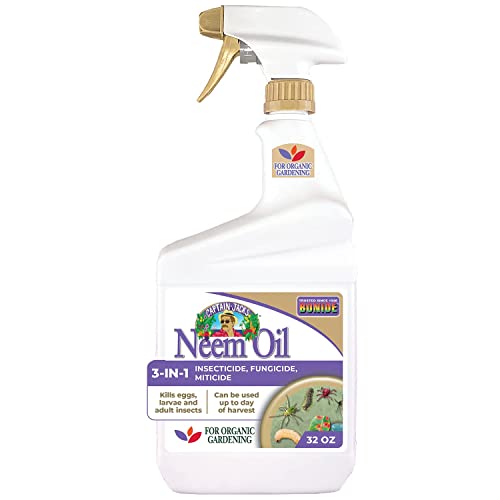
MULTI-PURPOSE BUG KILLER - Bonide Neem Oil is a perfect pest control solution for any garden dealing with mites, flies, mildew, and more. This product is a three-in-one fungicide, miticide, and insecticide.

PLANT DISEASE CONTROL: Natria Neem Oil acts as an insecticide and fungicide in one convenient spray; Ready-to-use trigger sprayer requires no mixing

INSECT KILLER: BioAdvanced Organics Brand Neem Oil spray controls aphids, whiteflies, spider mites, and other listed pests
Watering and Light Requirements
Water your lettuce regularly to maintain consistent moisture. Aim for about one inch of water per week, depending on climate and conditions. If soil feels dry to the touch, add water.
Provide sufficient light for optimal growth. Lettuce thrives with 12 to 14 hours of bright, indirect sunlight daily. If natural light is limited, consider using grow lights positioned about 6 to 12 inches above the plants.
Pest and Disease Management
Monitor your lettuce for pests such as aphids, slugs, or caterpillars. Inspect leaves regularly for signs of damage or insects. If you find any, use neem oil or insecticidal soap to treat the infestation.
Watch for common diseases like powdery mildew or root rot. Ensure good air circulation and avoid overcrowding to prevent these issues. If disease occurs, remove affected leaves immediately to stop the spread and consider using fungicides if necessary.
Harvesting Your Lettuce
Harvesting lettuce from your stump requires careful timing and technique. You want to pick your lettuce at the right stage for optimal flavor and texture.
Timing Your Harvest
Monitor your lettuce’s growth regularly. You’ll typically notice the first new leaves within 7 to 14 days. Harvest the leaves when they reach about 4 to 6 inches in height. This ensures crunchy, nutritious greens.
How to Harvest
- Choose a Method: You can either snip the outer leaves or cut the entire stump.
- Use Clean Tools: Always use scissors or garden shears. Clean tools prevent infections.
- Cut Leaves: If snipping, cut the outer leaves at the base, leaving the inner leaves. This allows further growth. For a full harvest, cut the stump just above the ground level.
Storage Tips
Store harvested lettuce properly to maintain freshness.
- Rinse Leaves: Wash the leaves gently in cool water.
- Dry Thoroughly: Use a salad spinner or pat them with a clean kitchen towel.
- Refrigerate: Place the leaves in a sealed container or plastic bag with a paper towel. This absorbs moisture and keeps the greens crisp.
Yield Considerations
Understand that one stump can yield multiple harvests. After your initial cut, allow new leaves to grow back. Depending on care and conditions, you can harvest from the same stump several times over a few weeks.
Monitor for Pests
Watch for pests during the harvest period. Inspect your leaves for signs of aphids or slugs. If you spot any, treat your plants promptly with neem oil or insecticidal soap.
You can enjoy fresh lettuce harvested right from your kitchen stump, enriching your meals with homegrown flavor.
Conclusion
Growing lettuce from a stump is not just a fun project but also a rewarding way to reduce waste and enjoy fresh greens. You’ve learned how simple it is to turn kitchen scraps into a thriving garden addition.
With just a little care and attention your lettuce will flourish and provide you with delicious leaves for salads and sandwiches. Plus you’ll feel great knowing you’re making a positive impact on the environment.
So grab those leftover stumps and get started on your lettuce-growing adventure. You’ll be amazed at how quickly they sprout and how satisfying it is to harvest your own homegrown produce. Happy gardening!
Frequently Asked Questions
What materials do I need to grow lettuce from scraps?
To grow lettuce from scraps, you need a fresh lettuce head, a water container, a light source, and potting soil for planting. It’s also helpful to have clean tools for cutting and rinsing the stump.
How do I prepare the lettuce stump for growing?
Cut the lettuce head, rinse the stump, and trim it to about two inches in height. Remove any wilted or brown leaves to prevent bacteria and ensure good conditions for regrowth.
What kind of container is best for planting lettuce stumps?
Choose a container that is at least 4 inches deep with drainage holes. Materials can include plastic, ceramic, or biodegradable pots, allowing space for root growth.
How often should I water my lettuce plants?
Water your lettuce plants about once a week, providing roughly one inch of water to keep the soil evenly moist. Ensure good drainage to prevent root rot.
How can I ensure my lettuce grows healthily?
Place your lettuce in bright, indirect sunlight for 12 to 14 hours daily. Regularly check for pests and diseases, and maintain good air circulation to promote healthy growth.
When is the best time to harvest my lettuce?
Harvest lettuce leaves when they reach 4 to 6 inches in height for optimal flavor and texture. Use clean tools to snip outer leaves or cut the entire stump as needed.
Can I get multiple harvests from one lettuce stump?
Yes, one lettuce stump can yield multiple harvests. With proper care, you can enjoy fresh lettuce several times before it stops producing.
