

Have you ever looked at those tiny lettuce seeds and wondered how to get them to grow? You’re not alone. Many gardeners find themselves puzzled by the challenge of planting such small seeds. It can be tricky, but with the right approach, you can enjoy fresh, homegrown lettuce in no time.
Key Takeaways
- Understand Seed Types: Familiarize yourself with the different types of tiny lettuce seeds (Butterhead, Crisphead, Looseleaf, and Romaine) to select the best variety for your needs.
- Optimal Growing Conditions: Choose a sunny location and well-draining, nutrient-rich soil with a pH between 6.0 and 7.0 for healthy lettuce growth.
- Effective Planting Techniques: Sow seeds shallowly (1/8 inch deep) while maintaining proper spacing and moisture to promote germination and growth.
- Consistent Care: Regularly water your lettuce to keep the soil moist, monitor for pests and diseases, and apply preventive measures for a healthy crop.
- Harvesting for Continued Growth: Harvest outer leaves first and at the right time (30-60 days post-sowing) to encourage new growth and enjoy fresh lettuce continuously.
Understanding Tiny Lettuce Seeds
Tiny lettuce seeds can be challenging but rewarding to plant. Understanding their types and benefits can enhance your gardening experience.
Types of Tiny Lettuce Seeds
- Butterhead: These seeds produce soft, tender leaves with a buttery texture. Varieties include ‘Boston’ and ‘Bibb’.
- Crisphead: Known for their crunchy texture, these seeds yield tightly packed heads. Examples are ‘Iceberg’ and ‘Crispino’.
- Looseleaf: These seeds generate loose, open leaves. Varieties like ‘Red Romaine’ and ‘Black Seeded Simpson’ are popular choices.
- Romaine: Romaine seeds result in long, upright heads with sturdy leaves. Look for ‘Little Gem’ or ‘Parris Island’ for great options.
- Fast Growing: Lettuce grows quickly, often ready for harvest within 30 to 60 days.
- Nutritional Value: Lettuce is low in calories and high in vitamins A and K, making it a healthy addition to your diet.
- Variety of Flavors: Different lettuce types provide a range of flavors, from mild to peppery, enhancing salads and dishes.
- Space Efficient: Lettuce can thrive in small spaces, ideal for container gardening or raised beds.
- Continuous Harvesting: You can sow seeds at intervals for a continuous supply of fresh leaves throughout the growing season.
Preparing Your Garden
Preparing your garden for tiny lettuce seeds involves careful planning to ensure successful growth. Focus on selecting the right location and meeting soil requirements.
Recommended Products

NUTRIENT-RICH, NATURAL, AND ORGANIC SOIL: Grow a bountiful garden in your home with the Back to the Roots All-Purpose Natural and Organic Peat-Free 3-in-1 Seed Starting Mix, packed with the nutrients needed for your plants, flowers, and vegetables to thrive

Includes Back to the Roots Compressed Seed Starting Potting Mix that expands to 12qt of soil. A balanced pH, which means it’s truly all-purpose. Use alone or as an amendment for anything in a pot or in the ground — vegetables, flowers, herbs, and even starting seeds.

Miracle-Gro Indoor Potting Mix for Seed Starting grows stronger roots for seeding success (vs unfed when used as directed)
Choosing the Right Location
Select a spot that receives full sun for at least six hours daily. Full sunlight promotes healthy growth and enhances flavor. Ensure access to water and good drainage. Avoid areas with heavy shade, as this can hinder seed germination and lettuce development.
Soil Requirements
Use well-draining, nutrient-rich soil for optimal growth. Aim for a pH level between 6.0 and 7.0, which suits lettuce best. Consider mixing compost into your soil, as it improves fertility and texture. If your soil is compacted, loosen it with a garden fork to encourage root development. Aim for a depth of at least 12 inches to provide ample space for roots to spread.
Planting Tiny Lettuce Seeds
Planting tiny lettuce seeds requires attention to detail and specific techniques for successful germination. Follow these guidelines to optimize your planting process.
Recommended Products
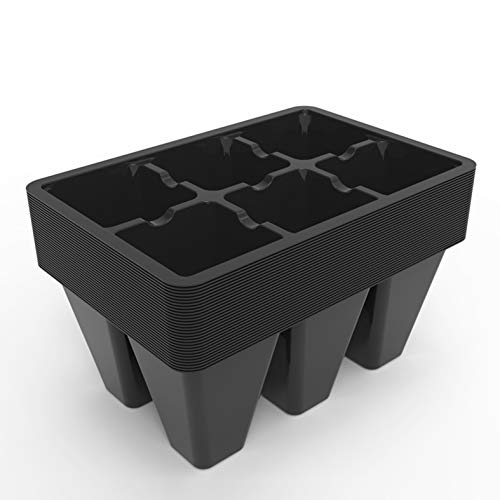
High Quality and Durable - Our Gardzen Seed Start Trays are made from premium plastic material, ensuring long-lasting use for all your seed starting needs. These trays are designed to withstand daily wear and tear, making them perfect for avid gardeners.

EASIER SEED STARTING: Our Burpee SuperSeed tray with 36 flexible pop-out cells is designed to simplify indoor seed starting for all your favorite vegetables, flowers and herbs. Just add seed starting mix, seeds, water and light to get growing! Rows are labeled alphanumerically for seedling identification with included Plant-o-Gram diagram. Tray dimensions: 11.5" x 10-3/8" x 2-1/4"

EASIER SEED STARTING: Our Burpee SuperSeed tray with 16 extra-large flexible pop-out cells is designed to simplify indoor seed starting. Just add seed starting mix, seeds, water and light to get growing! Rows are labeled alphanumerically for seedling identification with included Plant-o-Gram diagram.
Sowing Techniques
- Select the right time for sowing. Aim for early spring or fall, depending on your climate.
- Prepare your seedbed. Ensure the soil is loose and crumbly to promote seed growth.
- Broadcast the seeds evenly. Scatter them across the soil surface, aiming for a density of about 10-15 seeds per square inch.
- Lightly press the seeds into the soil. Use a smooth board or your hand to ensure good seed-to-soil contact, but don’t bury them deep.
- Mist the area gently. Use a spray bottle to moisten the soil without washing away the seeds.
- Keep the planting depth shallow. Tiny lettuce seeds thrive when sown at a depth of 1/8 inch or less.
- Space the seeds adequately. Maintain a spacing of 4-6 inches between rows to allow airflow and growth.
- Thinning is essential post-germination. Once seedlings reach 2 inches, thin them to a distance of 4-6 inches apart for ample space to mature.
These techniques ensure optimal growth conditions for your tiny lettuce seeds, setting the stage for a bountiful harvest.
Caring for Your Lettuce Plants
Caring for your lettuce plants is essential for achieving a bountiful harvest. Focus on watering, pest management, and observing plant needs.
Watering Guidelines
Water consistently, ensuring your soil remains moist but not waterlogged. Water at the base of the plants early in the morning, allowing leaves to dry before evening. This practice helps prevent diseases. Aim for about 1 inch of water per week, adjusting for rainfall. If your plants show signs of wilting or leaf curling, they likely need more water. Mulching around plants can retain moisture and regulate soil temperature.
Pest and Disease Management
Monitor your plants regularly for pests like aphids and slugs, which can damage leaves. Use row covers early on to protect seedlings from insects. If pests appear, remove them manually or use insecticidal soap as a natural treatment. Disease can affect lettuce as well, especially if airflow is poor. Space your plants to allow for ventilation, reducing the risk of mold and mildew. Rotate your crops each season to prevent soil-borne diseases and promote healthier growth.
Harvesting Tiny Lettuce
Harvesting tiny lettuce involves careful timing and proper techniques. You can enjoy fresh lettuce once the leaves reach a desirable size, typically around 4-6 inches in length. Regular harvesting encourages continuous growth and helps manage plant health.
When to Harvest
Harvest tiny lettuce when the leaves have a vibrant color and a crisp texture. For looseleaf varieties, start harvesting about 30 days after sowing. For Butterhead and Crisphead types, wait about 50-60 days. Check daily, as leaves can grow quickly in favorable conditions. Picking in the early morning ensures optimal freshness and flavor.
How to Harvest Properly
To harvest, follow these steps:
- Use Clean Tools: Use sharp scissors or garden shears to prevent damage. Disinfect the tools with rubbing alcohol to avoid transferring any diseases.
- Select Leaves: Choose outer leaves first while leaving the inner ones to continue growing. This method encourages new growth and extends the harvesting period.
- Cut Carefully: Cut the leaves at the base, just above the stem. Aim for a clean cut to reduce stress on the plant.
- Handle Gently: Place harvested leaves in a basket or container. Avoid crushing them to maintain their crispness.
- Wash and Store: Rinse leaves under cool water and shake off excess moisture. Store them in a sealed container or bag in the refrigerator to preserve freshness.
Follow these guidelines to ensure a bountiful harvest and an ongoing supply of fresh, homegrown lettuce for your meals.
Conclusion
Growing tiny lettuce seeds can be a rewarding experience that brings fresh flavors to your kitchen. By following the right techniques and paying attention to your garden’s needs, you’ll set yourself up for success. Remember to keep your soil healthy and provide the right care to your plants.
With a little patience and care, you’ll enjoy a thriving crop of lettuce that’s perfect for salads and sandwiches. So grab your seeds and get started on your gardening journey. There’s nothing quite like the taste of homegrown lettuce!
Frequently Asked Questions
What are tiny lettuce seeds?
Tiny lettuce seeds are small seeds used to grow various types of lettuce, including Butterhead, Crisphead, Looseleaf, and Romaine. They are small in size, which can lead to difficulties in planting and germination.
How do I prepare my garden for tiny lettuce seeds?
Select a sunny location that receives at least six hours of sunlight daily. Use well-draining, nutrient-rich soil with a pH of 6.0 to 7.0. Mix in compost to improve soil quality and ensure the soil depth is at least 12 inches to accommodate root growth.
What is the best way to plant tiny lettuce seeds?
Sow seeds in a loose seedbed at a density of 10-15 seeds per square inch. Lightly press the seeds into the soil and mist the area to ensure good seed-to-soil contact, keeping planting depth to 1/8 inch or less.
How often should I water tiny lettuce seeds?
Water the seeds consistently to maintain moisture without waterlogging. Aim for about 1 inch of water per week, watering at the base of the plants in the morning and using mulch to retain moisture.
When should I harvest my tiny lettuce?
Harvest lettuce leaves when they reach 4-6 inches in length. Timing may vary slightly by variety, but outer leaves can be picked first to allow the inner leaves to continue growing for a prolonged harvest.
