

Are you eager to grow your own fresh lettuce but unsure when to start those seeds indoors? You’re not alone. Many gardeners face the same dilemma, wanting to enjoy crisp salads but needing a little guidance on timing.
Key Takeaways
- Timing is Key: Start lettuce seeds indoors 4-6 weeks before your last expected frost date to extend your growing season.
- Varietal Differences: Understand the specific growth cycles for different lettuce types: Romaine (75-85 days), Butterhead (55-70 days), and Leaf (30-50 days).
- Ideal Conditions: Maintain indoor temperatures between 60°F and 70°F and provide 12-16 hours of light daily to promote healthy seedling growth.
- Transplanting Readiness: Seedlings should reach 3-4 inches tall and show true leaves before transplanting outdoors, ensuring they can adapt to new conditions.
- Harden Off: Gradually acclimate your seedlings to outdoor conditions over a week to minimize transplant shock and improve survival rates.
- Check Local Frost Dates: Monitor frost dates and local climate conditions to optimize your planting schedule and protect seedlings from cold snaps.
Understanding Lettuce Growth Cycles
Lettuce growth cycles vary based on the type of lettuce and your planting schedule. Recognizing these cycles helps you time your seed starting for optimal growth.
Different Varieties of Lettuce
Lettuce comes in several varieties, each with unique growth timelines.
- Romaine Lettuce: Takes 75-85 days from seed to harvest. Start indoors 4-6 weeks before the last frost.
- Butterhead Lettuce: Generally matures in 55-70 days. Start seeds indoors 4 weeks before the last frost.
- Leaf Lettuce: Grows quickly, usually within 30-50 days. You can start these seeds indoors 2-4 weeks prior to the last frost date.
Knowing which variety you’re growing allows for better planning.
Importance of Timing
Timing affects the flavor and yield of your lettuce.
- Early Planting: Starting seeds indoors extends your growing season. This approach helps plants mature sooner, especially in regions with short summers.
- Frost Dates: Keep an eye on local frost dates. Lettuce thrives in cooler weather, so timing seeds indoors just before your last frost delivers crisp, tender leaves.
- Transplanting: Plan to transplant seedlings outdoors when they’re 3-4 inches tall. This size ensures strong growth after transplanting.
Understanding these timing principles sets the stage for a successful lettuce garden.
Ideal Conditions for Starting Lettuce Seeds Indoors
Starting lettuce seeds indoors requires attention to specific conditions that promote healthy growth. These conditions include optimal temperatures and sufficient light exposure.
Recommended Products
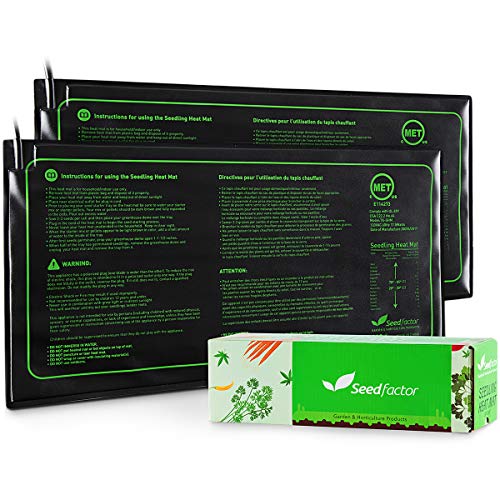
MET safety certified;Comply with UL 499;CSA C22.2 No.64

Reliable Results: The VIVOSUN professional heat mat maintains optimal temperatures around 68-86℉ (20-30℃), perfect for Seedling start and cutting propagation; Made from durable PVC material, it's designed to last

Reliable Results: The VIVOSUN professional heat mat maintains optimal temperatures around 68-86℉ (20-30℃), perfect for Seedling start and cutting propagation; Made from durable PVC material, it's designed to last
Temperature Requirements
Maintain temperatures between 60°F and 70°F for ideal lettuce seed growth. Seeds germinate best in this range, with lower temperatures slowing down the process. After germination, keep the seedling environment at around 65°F to 75°F for robust growth. Use a heat mat if your indoor space tends to be cooler. If nighttime temperatures drop, consider covering the seedlings to protect them from cold drafts.
Light Exposure
Provide your seedlings with 12 to 16 hours of light daily to promote strong growth. Use fluorescent grow lights or LEDs, placing them about 2 to 4 inches above the plants. Adjust the height as the seedlings grow taller. If using natural sunlight, choose a south-facing window that receives ample light. Rotate the trays regularly to ensure even light exposure. This step helps prevent leggy growth, keeping your seedlings compact and healthy.
When Do You Start Lettuce Seeds Indoors?
Starting lettuce seeds indoors can significantly enhance your growing season. The ideal time generally falls 4 to 6 weeks before your last expected frost date.
Recommended Products

EASIER SEED STARTING: Our Burpee SuperSeed tray with 36 flexible pop-out cells is designed to simplify indoor seed starting for all your favorite vegetables, flowers and herbs. Just add seed starting mix, seeds, water and light to get growing! Rows are labeled alphanumerically for seedling identification with included Plant-o-Gram diagram. Tray dimensions: 11.5" x 10-3/8" x 2-1/4"

Includes Back to the Roots Compressed Seed Starting Potting Mix that expands to 12qt of soil. A balanced pH, which means it’s truly all-purpose. Use alone or as an amendment for anything in a pot or in the ground — vegetables, flowers, herbs, and even starting seeds.

15 Herb Seeds Variety Pack – 4,300 Seeds Included: Start your own herb garden with this all-in-one heirloom herbs seeds kit. Includes Genovese Basil, Sweet Basil, Italian Oregano, Rosemary, Thyme, Cilantro, Dill, Mint, Sage, Lavender, Chives, Garlic Chives, Parsley, Chervil, and Scallions. Each herb seed packet is USA-sourced and tested for high germination. Grow these herb garden seeds in your backyard, windowsill, raised beds, or pots for fresh flavors all season long.
General Guidelines
- Indoor Timing: Start lettuce seeds indoors around 4 to 6 weeks prior to the last frost. For example, if your area’s last frost occurs around April 15, start seeds between mid-March and early April.
- Variety Considerations: Different lettuce types may require slightly varied schedules. Butterhead and Romaine tend to grow faster. Leaf lettuces can be started slightly closer to the last frost date.
- Seed Depth: Plant seeds about ¼ inch deep in seed-starting mix. This depth promotes proper germination.
- Thinning: Once seedlings appear, thin them to 2 to 4 inches apart. This spacing prevents overcrowding and supports healthy growth.
- Transplanting: Move seedlings outdoors when they reach 3 to 4 inches tall. This height helps them acclimate better to outdoor conditions.
- Hardiness Zones: Know your gardening zone. Regions with milder winters allow earlier planting, while colder zones require waiting until the danger of frost passes.
- Local Frost Dates: Check local agricultural extensions or online resources for accurate frost dates. These dates vary widely even within the same state.
- Microclimates: Consider local microclimates. Sheltered areas may warm up faster, allowing for earlier indoor seed starting.
- Climate Conditions: If your area has shorter growing seasons, start seeds indoors earlier to maximize yield. Utilize row covers or cloches for additional protection during cold snaps.
Using this information, you can effectively start your lettuce seeds indoors and enjoy a bountiful harvest.
Transplanting Lettuce Seedlings Outdoors
Transplanting lettuce seedlings outdoors requires attention to timing and technique for a successful transition. Properly timing your transplanting ensures your seedlings thrive in their new environment.
Recommended Products

Comprehensive Small Garden Tools: Our indoor garden kit Not only for succulents, but also suitable for bonsai plants, cactus and most of indoor small plants. The mini garden tools set meets your various gardening needs like potting mat, digging, watering, loosening soil, transplanting, cleaning, pruning, weeding, etc. Lightweight, Easy carry and wash after every use. Just pat dry.
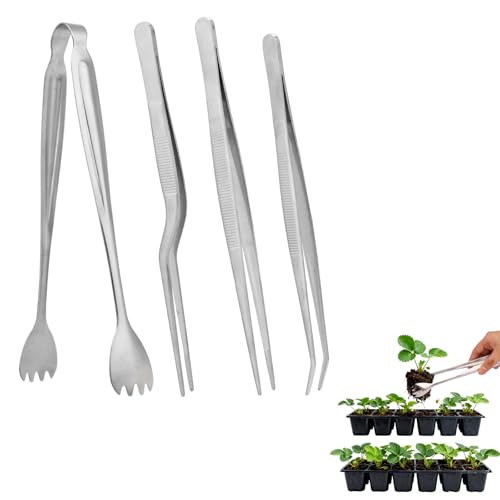
Complete Set: You will receive 1 piece of the seedling transplant tong and 3 pieces of the multi-functional tweezers. Ideal for delicate sowing, transplanting seedlings from seedling trays, and various fine motor tasks in gardening, kitchens, or crafts.

Premium Stainless Steel Construction:This bulb planter tool is crafted from high - quality stainless steel.It ensures exceptional durability,making it suitable for long - term use in various soil conditions. Whether you're dealing with moist or dry soil, the tool will maintain its integrity and performance.
Signs of Readiness
You’ll know your lettuce seedlings are ready for transplanting when they reach about 3 to 4 inches in height. Healthy, sturdy stems and well-developed true leaves indicate they can adapt to outdoor conditions. Look for the following signs:
- Leaf Growth: True leaves, which are the second set of leaves, should be present.
- Height: Seedlings should stand between 3 to 4 inches tall.
- Sturdiness: Seedlings should feel firm and not wobbly.
Wait until the danger of frost has passed for your specific location. Check your local frost dates to determine the best time for moving your seedlings.
Best Practices for Transplanting
To ensure a smooth transplant from indoors to outdoors, follow these best practices:
- Harden Off: Gradually acclimate your seedlings to outdoor conditions over a week. Start by placing them outside for a few hours each day, gradually increasing exposure.
- Choose the Right Time: Transplant on a cloudy day or in the late afternoon to minimize stress from direct sunlight.
- Prepare the Soil: Ensure your garden bed is well-prepared, with loose, nutrient-rich soil. You may add compost or well-rotted manure to enhance soil quality.
- Spacing: Plant lettuce seedlings 6 to 12 inches apart, depending on the variety. This allows for adequate air circulation.
- Watering: Water seedlings thoroughly before transplanting. After moving them, water the new locations well to settle the soil around the roots.
Following these steps maximizes your chances for a healthy lettuce crop. By ensuring that seedlings are ready and employing best practices, your outdoor lettuce garden can thrive.
Conclusion
Starting your lettuce seeds indoors can set you up for a thriving garden and delicious salads. By timing your planting right and paying attention to the specific needs of your chosen varieties you’ll enjoy fresh lettuce well into the growing season.
Remember to keep an eye on local frost dates and provide the right conditions for your seedlings. With a little patience and care your efforts will pay off with a bountiful harvest. Happy gardening and enjoy the crisp flavors of your homegrown lettuce!
Frequently Asked Questions
What is the best time to start lettuce seeds indoors?
You should start lettuce seeds indoors about 4 to 6 weeks before the last expected frost date in your area. This timing allows for optimal growth before transplanting them outdoors.
How do I know when to transplant lettuce seedlings?
Transplant your lettuce seedlings outdoors when they reach 3 to 4 inches in height and have developed true leaves. Ensure that the danger of frost has passed before moving them outside.
What temperature is ideal for germinating lettuce seeds indoors?
The ideal temperature for germinating lettuce seeds is between 60°F and 70°F. Maintaining this range promotes successful germination and healthy growth.
How much light do indoor lettuce seedlings need?
Indoor lettuce seedlings require 12 to 16 hours of light daily. Using fluorescent grow lights or LEDs can help achieve this, and rotating the trays ensures even light distribution.
What should I consider for transplanting lettuce outdoors?
When transplanting lettuce outdoors, consider hardening off seedlings for about a week, preparing the soil, ensuring proper spacing, and watering thoroughly to minimize shock.
