

Are you eager to grow your own fresh lettuce but unsure when to get started in North Carolina? You’re not alone! Many gardeners struggle with timing, and planting at the wrong moment can lead to disappointing results.
Key Takeaways
- Understand Planting Seasons: Cool-season lettuce varieties thrive in temperatures of 45°F to 75°F and should be planted from mid-February to early April, while warm-season varieties prefer above 60°F and can be sown from mid-April to early June.
- Consider Regional Climate: North Carolina’s diverse climate affects planting times; mountain areas may delay planting, while coastal regions can start as early as late February.
- Optimal Planting Techniques: For spring planting, target mid-March to early April, and for fall, aim for late July to early September. Both direct sowing and transplanting have their benefits.
- Select Appropriate Varieties: Popular cool-season varieties include Butterhead and Leaf lettuce, while Romaine works well for warmer months. Adapt your selections based on the season and regional specifics.
- Prioritize Soil Preparation: Ensure well-drained, nutrient-rich soil with a pH of 6.0 to 7.0 for optimal lettuce growth. Regular soil testing can help maintain ideal conditions.
- Maintain Water and Pest Management: Consistent watering (1-1.5 inches per week) and regular pest monitoring are crucial for healthy lettuce growth and a bountiful harvest.
Understanding Lettuce Growing Seasons
Knowing when to plant lettuce in North Carolina hinges on understanding its growing seasons. Lettuce thrives in specific temperature ranges, which dictate the best times for planting.
Cool-Season vs. Warm-Season Lettuce
Cool-season varieties, such as Butterhead and Leaf lettuce, flourish in temperatures between 45°F and 75°F. These types can be planted in early spring, typically from mid-February to early April, for a late spring harvest. Alternatively, warm-season varieties like Romaine prefer temperatures above 60°F and can be sown in late spring, around mid-April to early June, for a summer yield. Selecting the appropriate type is crucial for successful growth.
Regional Climate Considerations
North Carolina’s diverse climate means timing can vary by region. In the mountains, planting often starts later due to cooler temperatures. For the Piedmont region, you can begin planting as early as mid-March. Coastal regions may allow for earlier plantings, sometimes as soon as late February. Always consider local frost dates and soil temperature to maximize your chances of a healthy harvest.
Optimal Planting Times
Timing your lettuce planting in North Carolina maximizes growth potential and yield. Understanding the local climate and seasonal changes makes this easier.
Recommended Products
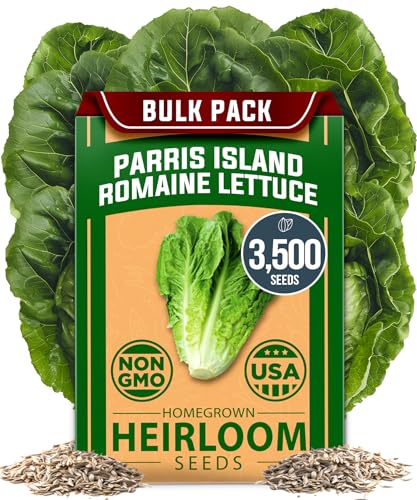
HIGH GERMINATION RATE FOR RELIABLE GROWTH - Our Parris Island Romaine Lettuce Seeds boast an impressive germination rate. High quality and rapid sprouting heirloom lettuce seeds ensuring a bountiful harvest for your vegetable garden.

Classic Romaine Variety Parris Island Romaine produces tall, upright heads with dark green outer leaves and a firm, pale center commonly used for fresh salads and wraps.

CLASSIC ROMAINE VARIETY – Parris Island Cos lettuce (Lactuca sativa var. longifolia) produces tall, crisp green heads with tender hearts and a fresh, mild flavor perfect for Caesar salads
Spring Planting Guide
For spring planting, target mid-March to early April. This period suits cool-season varieties like Butterhead and Leaf lettuce. Plant seeds 1/4 inch deep in well-drained soil. Space seeds 12 inches apart to provide ample room for growth. Monitor soil temperature; it should ideally be between 45°F and 75°F. Use row covers to protect young plants from unexpected frosts. Harvest typically occurs 50 to 70 days after planting.
Fall Planting Guide
For fall planting, aim for late July to early September. This schedule works well for a second crop before winter. Select heat-resistant varieties, like Romaine, as temperatures remain above 60°F. Sow seeds similarly to the spring guide. Ensure your seeds receive partial shade during hotter days to prevent bolting. Fall harvest can take place anywhere from 55 to 80 days post-planting, depending on the variety. Pay attention to the first frost date in your area to finish harvesting in time.
Soil Preparation and Planting Techniques
Soil preparation is crucial for planting lettuce successfully. Proper soil conditions foster strong growth and provide the necessary nutrients.
Recommended Products

Quick, at home results for Soil pH, Nitrogen, Phosphorous and Potash Innovative and inexpensive soil test kit features an easy-to-use capsule system and patented color comparators

KNOW BEFORE YOU GROW | Grow the healthiest, sustainable lawn and garden with the most accurate and easy to use professional soil test kit on the market

Accurate Soil pH Testing: Dewildetradingco Soil pH Test Strips offer measurements of soil pH levels (pH 3.5-9). As an essential tool for every gardener and grower, these test strips help determine the optimal pH for various plants, such as outdoor plants, indoor plants, gardens, grass lawns, fruit trees, flowers, vegetables, and forest shrubs.
Soil Quality and pH Levels
Ensure your soil is well-drained and rich in organic matter. Aim for a pH level between 6.0 and 7.0, which is ideal for lettuce. You can conduct a soil test to check both quality and pH levels. If your soil is too acidic, add lime; if too alkaline, incorporate sulfur. Mix compost into the soil to improve fertility. Organic material enhances water retention, while also preventing compaction.
Direct Sowing vs. Transplanting
Choose between direct sowing or transplanting for your lettuce.
- Direct Sowing: Plant seeds directly in well-prepared soil. Space seeds 12 inches apart and sow them 1/4 inch deep. This method suits cool-season varieties better.
- Transplanting: Start seeds indoors 4 to 6 weeks before the last frost. Once seedlings reach 3 inches high, harden them off by gradually exposing them to outdoor conditions over a week. Plant them outdoors at 12-inch intervals in optimal soil.
Both techniques work effectively, but transplanting often leads to earlier and more consistent yields. Experiment with both methods to find what works best for your garden conditions.
Common Varieties for North Carolina
Lettuce varieties thrive in the diverse climates of North Carolina. Understanding the main types helps you select the best for your garden.
Recommended Products
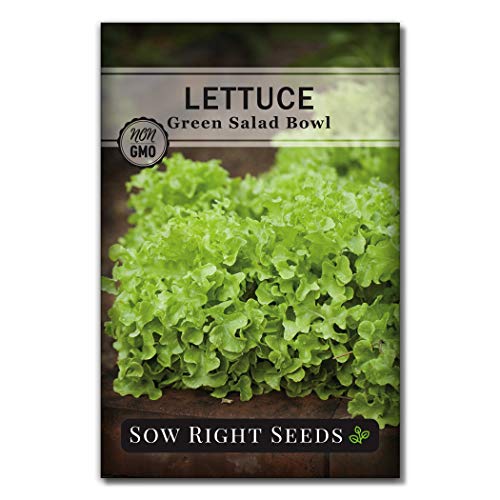
Beautiful - Large premium packet of Green Salad Bowl Lettuce (Lactuca sativa) seeds. Crisp and delicious, this frilly, green leaf lettuce can be grown outdoors or indoors in a hydroponics system. This cool-weather crop is also a more heat-tolerant variety that doesn’t get bitter and resists bolting. Minimum of 600mg per packet (about 430 seeds).

USDA Certified Organic by Oregon Tilth
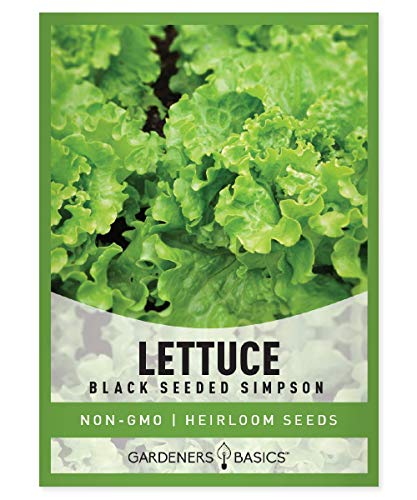
Black Seeded Simpson is a classic heirloom loose leaf lettuce with large, tender green leaves and a mild, sweet flavor. Harvest fresh leaves for salads, sandwiches, wraps, and other homegrown meals.
Leaf Lettuce Varieties
Leaf lettuce varieties grow rapidly and enjoy cool weather. Examples include:
- Buttercrunch: Crisp leaves with a sweet flavor, ideal for salads.
- Red Romaine: Adds color and texture; grows tall and provides a crunchy bite.
- Green Leaf: Tender and loose leaves; grows quickly and resists bolting in cooler temperatures.
Plant these varieties in early spring, as they perform best in temperatures between 45°F and 75°F. Harvest typically occurs 50 to 60 days after planting.
Head Lettuce Varieties
Head lettuce varieties form dense heads and prefer a bit more warmth. Popular options include:
- Romaine: Known for its crisp texture; great for Caesar salads.
- Iceberg: Classic crunchy lettuce; requires a longer growing season, thriving as temperatures climb above 60°F.
- Butterhead: Soft, tender leaves with a buttery flavor; best for spring and fall.
Plant these cultivars in late spring for summer yields. Expect to harvest 70 to 80 days after planting. Remember, soil temperature for these varieties should be higher than for leaf types.
By selecting the right lettuce for your planting schedule, you enhance your chances of a successful harvest.
Tips for Successful Lettuce Growth
Successful lettuce growth hinges on several key factors. Implementing proper watering, fertilization, and pest management techniques ensures a bountiful harvest.
Watering and Fertilization
Watering and fertilization play vital roles in lettuce health. Ensure lettuce receives consistent moisture, with goal amounts between 1 to 1.5 inches of water weekly. Early morning watering helps prevent diseases by allowing foliage to dry throughout the day. Consider using drip irrigation or soaker hoses to deliver water directly to the soil and minimize splashing on leaves.
Fertilization depends on soil quality. Start with a balanced fertilizer, typically with an N-P-K ratio of 10-10-10. Apply fertilizer at planting and again two weeks after with a diluted solution. If soil tests indicate low nitrogen levels, use a nitrogen-rich fertilizer such as blood meal to promote leafy growth.
Pest and Disease Management
Pest and disease management protects your crop from common threats. Monitor plants regularly for signs of aphids, slugs, and caterpillars. Use insecticidal soap or neem oil to treat infestations, applying every 7 to 10 days until pests are gone.
Prevent common diseases like downy mildew and powdery mildew by ensuring proper air circulation. Space plants appropriately, about 12 inches apart, to reduce humidity around leaves. Avoid overhead watering to keep leaves dry.
Consider implementing companion planting. Planting marigolds near your lettuce helps deter aphids and other pests. Use row covers to protect young plants from threats while allowing light and moisture to penetrate.
By focusing on these aspects of lettuce cultivation, you create an environment that encourages strong, healthy plants and maximizes your harvest potential.
Conclusion
Timing is everything when it comes to planting lettuce in North Carolina. By understanding your local climate and choosing the right varieties for each season, you can enjoy a bountiful harvest. Whether you opt for cool-season types in early spring or warm-season varieties in late spring, the key is to pay attention to soil temperature and local frost dates.
Don’t forget to prepare your soil well and maintain consistent moisture for your lettuce to thrive. With a little patience and care, you’ll be well on your way to enjoying fresh, homegrown lettuce right from your garden. Happy gardening!
Frequently Asked Questions
When is the best time to plant lettuce in North Carolina?
Planting times for lettuce in North Carolina depend on the region. For cool-season varieties, aim for mid-March to early April. In the Piedmont region, planting can start as early as mid-March, while coastal areas may allow for sowing in late February. Warm-season varieties should be planted in late spring for summer yields.
What are the ideal temperatures for growing lettuce?
Lettuce thrives in cool temperatures, ideally between 45°F and 75°F. Cool-season varieties, such as Butterhead and Leaf lettuce, prefer this temperature range, while warm-season varieties like Romaine prefer temperatures above 60°F for optimal growth.
How deep should I plant lettuce seeds?
When planting lettuce seeds, you should sow them about 1/4 inch deep in well-drained soil. Proper spacing, ideally 12 inches apart, allows for adequate growth and air circulation.
What soil conditions are best for growing lettuce?
Lettuce grows best in well-drained soil rich in organic matter, with a pH level between 6.0 and 7.0. Conducting soil tests can help assess soil quality, and you can improve fertility by adding compost, lime, or sulfur as needed.
What are the two main planting techniques for lettuce?
The two main planting techniques for lettuce are direct sowing and transplanting. Direct sowing involves planting seeds directly into the soil, while transplanting starts seeds indoors and hardens them off before planting outside. Both methods can yield successful results.
How often should I water lettuce?
Lettuce requires consistent moisture, ideally 1 to 1.5 inches of water per week. Early morning watering is recommended to prevent diseases and ensure the plants receive adequate hydration throughout the day.
What common pests should I watch for when growing lettuce?
When growing lettuce, monitor for common pests such as aphids, snails, and caterpillars. Implementing pest management strategies like promoting air circulation and using companion planting can help deter these pests and protect your crop.
How long does it take for lettuce to mature?
Lettuce typically matures 50 to 70 days after planting, depending on the variety. Cool-season types can take about 50 to 60 days, while warm-season varieties may take 70 to 80 days to reach full maturity for harvest.
