

Have you ever noticed tiny green bugs clinging to your lettuce plants? Those pesky aphids can turn your garden dreams into a frustrating reality. If you’re tired of watching your hard work get devoured by these little invaders, you’re not alone. Many gardeners face this challenge, and it can feel overwhelming.
Key Takeaways
- Understanding Aphids: Recognize that aphids are small, rapidly reproducing pests that can severely weaken lettuce plants by sucking out vital nutrients.
- Prevention is Key: Choose resistant lettuce varieties and maintain garden hygiene by removing debris and infested leaves to deter aphid infestations.
- Organic Control Methods: Use soapy water sprays and introduce beneficial insects like ladybugs and lacewings to naturally combat aphids without chemicals.
- Chemical Solutions Available: Consider insecticidal soaps, neem oil, and pyrethrin for effective chemical control, but always follow label instructions and safety precautions.
- Regular Monitoring: Inspect lettuce plants weekly for signs of aphids and monitor for reinfestation to ensure early intervention and protect plant health.
Understanding Aphids and Their Impact on Lettuce
Aphids pose a significant threat to lettuce plants. You might find tiny green bugs clustered on leaves, sucking out nutrients and weakening your crops.
What Are Aphids?
Aphids are small, soft-bodied insects, typically ranging from 1 to 10 millimeters in size. They come in various colors, including green, black, and brown. These pests reproduce rapidly through a process called parthenogenesis, allowing populations to explode in just a few weeks. For example, a single female aphid can produce up to 80 offspring in a week, making infestations a common challenge for gardeners.
How Aphids Affect Lettuce Growth
Aphids negatively impact lettuce growth in several ways. First, they sap vital nutrients from the leaves, leading to stunted growth and poor leaf quality. Infested plants often exhibit curled or yellowing leaves, reducing their overall health. Additionally, aphids excrete a sticky substance called honeydew, which encourages the growth of sooty mold and can further affect plant photosynthesis. You might also notice that aphid populations attract other pests, compounding the issue for your lettuce.
Preventive Measures
Preventing aphid infestations on your lettuce starts with smart choices and actions in your garden. Here are key strategies to keep these pests away.
Recommended Products

USDA Certified Organic by Oregon Tilth

"Mesclun" comes from the Provençal French word meaning "mixture" — this style of mixed salad greens originated in the Nice region of France and became a staple of fine restaurants worldwide before becoming a home garden favorite.

4 Popular Heirloom Lettuce Varieties: Includes Red Romaine, Bibb Butterhead, Black Seeded Simpson, and Green Ice lettuce seeds to grow crisp, tender, and colorful salad greens with balanced flavor, texture, and visual appeal.
Choosing Resistant Lettuce Varieties
Select lettuce varieties that show resistance to aphids. Some types, such as ‘Butterhead’ and ‘Romaine,’ tend to resist aphid attacks better than others. Look for specific labels and recommendations from local gardening sources. By choosing resilient plants, you reduce the likelihood of a significant aphid presence.
Implementing Proper Garden Hygiene
Maintain excellent garden hygiene to deter aphids. Regularly remove weeds, debris, and old plant matter where aphids might hide. Keep a close eye on your plants and promptly remove any infested leaves. Washing your lettuce plants with a strong spray of water can dislodge aphids and their eggs. Ensure you clean tools and containers before using them in your garden. Clean practices create an inhospitable environment for pests, promoting healthier crops.
Organic Methods to Get Aphids Off Lettuce
Combatting aphids on your lettuce can be effective with organic methods. Consider these techniques to keep your crops healthy.
Recommended Products

Ladybugs are general predators that feed on a variety of slow-moving insects including Aphids, Moth eggs, Mites, Scales, Thrips, Leaf Hoppers, Mealybugs, Chinch Bugs, Asparagus Beetle larvae, Whitefly and others
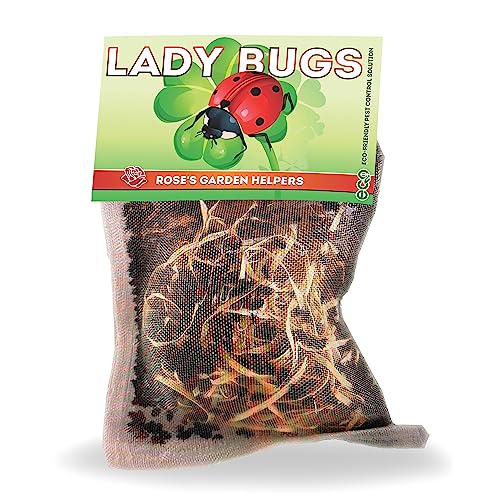
Natural Garden Balance – These beneficial insects help maintain the health of your plants by naturally managing garden challenges.

Includes a sheet with Release Tips, Release Rates, Ladybug Fun Facts and FAQ's
Spraying with Soapy Water
Spraying your lettuce with a mixture of water and dish soap offers a simple and effective solution. Mix 1-2 tablespoons of liquid soap into a gallon of water. Spray this solution directly onto the affected areas of the plants. The soap disrupts the aphids’ protective coating, leading to dehydration and death. Repeat every few days until you see a significant reduction in aphid populations. Always test a small area first to ensure no adverse reactions occur.
Introducing Beneficial Insects
Introducing beneficial insects can help control aphid populations naturally. Ladybugs and lacewings are excellent options, as they feed on aphids. To attract these helpful insects, plant companions such as dill, fennel, or yarrow nearby. You can also purchase ladybugs or lacewing eggs from garden centers. Release them in the evening when temperatures cool. Their natural predation will help reduce aphid numbers while preserving your lettuce’s health.
Chemical Solutions for Aphid Infestation
When tackling aphids on lettuce, chemical solutions can provide effective results. These pesticides target aphids while minimizing harm to your plants.
Recommended Products

READY-TO-USE CONTACT SPRAY: No mixing required. Thoroughly spray insecticide on all plant parts, including the underside of leaves. Pests must be sprayed directly to achieve control
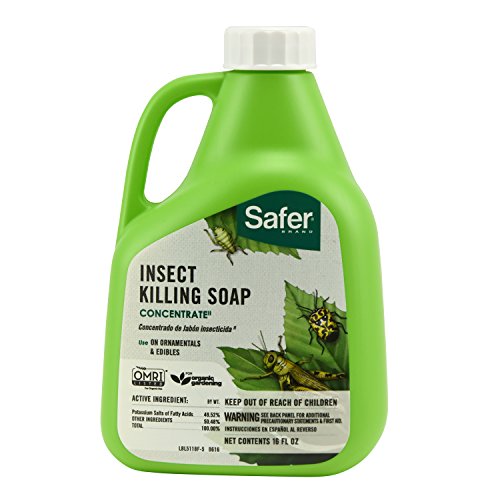
GENTLE ON MOST PLANTS - This aphid spray is ideal for use on flowers, herbs, vegetables, houseplants, lawn, tree, shrubs, and more

CROP, GARDEN & HOUSEPLANT INSECT CONTROL. Trifecta Crop Control all-natural, plant-based formula effectively combats destructive spider mites, aphids, whiteflies, fungus gnats, and other soft-bodied pests on indoor and outdoor plants. Our biodegradable, eco-friendly solution is safe for use on edible crops, without chemical residues. Our gentle yet potent plant spray suffocates and dehydrates pests without harming beneficial insects or the environment, making it ideal for organic gardening.
Common Pesticides for Aphids
- Insecticidal Soap: Insecticidal soap is a popular choice. It suffocates aphids on contact by disrupting their cell membranes. Apply this solution in the early morning or late evening to avoid harming beneficial insects.
- Neem Oil: Neem oil acts as a natural pesticide. It disrupts the aphids’ feeding and reproductive cycles. Mix 2 tablespoons of neem oil with water in a spray bottle and apply it directly to the affected areas.
- Pyrethrin: Pyrethrin is derived from chrysanthemum flowers. It paralyzes insects on contact. Use a ready-to-use pyrethrin spray for quick action on aphid infestations.
- Permethrin: Permethrin is a synthetic version of pyrethrin. It provides long-lasting protection against aphids. Follow label instructions carefully for safe application.
- Read Labels: Always read product labels before application. Ensure that the pesticide is suitable for food crops like lettuce.
- Timing: Apply pesticides during calm days to avoid wind drift. Early morning or late afternoon works best for reducing harm to surrounding plants.
- Spray Technique: Use a spray bottle or garden sprayer for even application. Ensure thorough coverage, targeting the undersides of leaves where aphids often hide.
- Follow Up: Monitor your lettuce after application. Repeat treatment every 7 to 10 days if necessary, especially after rain.
- Safety Precautions: Wear gloves, a mask, and eye protection when applying chemicals. Keep pets and children away from treated areas until dry.
By choosing and applying the right chemical solutions, you can effectively manage aphid infestations and protect your lettuce crops.
Monitoring and Maintenance
Monitoring your lettuce plants regularly helps catch aphid infestations early. Consistent checks not only protect your crops but also enhance your gardening experience.
Regular Inspection of Lettuce Plants
Inspect your lettuce plants at least once a week. Look closely at the undersides of leaves, where aphids often hide. Pay attention to leaf edges and the stem areas for any signs of pest activity. Use a magnifying glass if needed. Keep an eye out for clusters of tiny green or black insects and any sticky residue on leaves. This residue indicates the presence of aphids, which can lead to further issues if not addressed promptly.
Signs of Reinfestation
Watch for signs of reinfestation after treatment. Common indicators include new clusters of aphids or a return of the sticky honeydew on leaves. Discolored or wilting leaves often signal that aphids are back, as they can weaken the plant over time. If you notice any of these symptoms, start your control methods again. This proactive approach keeps your lettuce healthy and thriving.
Conclusion
Dealing with aphids on your lettuce can be frustrating but you’re not alone in this battle. By taking proactive steps and using the right methods you can protect your crops and enjoy a bountiful harvest. Whether you choose organic solutions or chemical treatments remember to stay vigilant and monitor your plants regularly.
Creating an inhospitable environment for aphids is key to keeping them at bay. With a little patience and care your lettuce can thrive free from these pesky pests. Happy gardening and may your lettuce be fresh and aphid-free!
Frequently Asked Questions
What are aphids, and why are they a problem for lettuce plants?
Aphids are tiny green insects that feed on the sap of lettuce plants, sucking out essential nutrients. Their presence can lead to stunted growth, poor leaf quality, and attract other pests, making them a significant threat to healthy crops.
How can I prevent aphid infestations on my lettuce?
To prevent aphids, consider choosing resistant lettuce varieties like ‘Butterhead’ or ‘Romaine.’ Maintain garden hygiene by removing weeds, regularly monitoring plants, and washing lettuce with a strong water spray to dislodge any aphids and eggs.
What organic methods can I use to combat aphids?
You can spray a mixture of water and dish soap directly onto affected plants to disrupt aphids’ protective coat. Additionally, introducing beneficial insects like ladybugs or planting companion plants such as dill can help control aphid populations naturally.
Are there chemical solutions for managing aphid infestations?
Yes, common pesticides include insecticidal soap, neem oil, pyrethrin, and permethrin. Always read product labels carefully, apply during calm weather for better coverage, and prioritize safety by wearing protective gear and keeping children and pets away from treated areas.
How often should I check my lettuce plants for aphids?
Inspect your lettuce plants at least once a week, focusing on the undersides of leaves and stems. Look for signs such as clusters of tiny insects or sticky residue, which indicate aphid activity, allowing you to take action quickly.
