

Have you ever wondered if you can grow lettuce in the colder months? You’re not alone. Many gardeners struggle with what to plant when temperatures drop, and lettuce often comes to mind as a fresh, crunchy option.
This article will explore whether lettuce can thrive in winter and how you can enjoy homegrown greens even when it’s chilly outside. You’ll discover tips on varieties that withstand the cold and simple strategies to protect your plants from frost. By the end, you’ll feel confident about adding lettuce to your winter gardening plans.
Key Takeaways
- Lettuce Varieties: Choose cold-tolerant varieties like Butterhead, Romaine, and Leaf Lettuce for successful winter gardening.
- Ideal Conditions: Lettuce prefers temperatures between 60°F and 65°F; it can survive as low as 20°F with proper protection.
- Frost Management: Implement frost protection strategies, such as row covers and selecting frost-resistant varieties, to safeguard your crops.
- Effective Planting: Plan to plant seedlings 4 to 6 weeks before the first frost, and consider raised beds for improved warmth and drainage.
- Nutritional Benefits: Winter lettuce is rich in vitamins A, C, and K, offering significant health benefits while also possessing a sweeter flavor profile in colder conditions.
Understanding Lettuce Varieties
Lettuce comes in several varieties, each with unique traits. Knowing these types helps in choosing the right one for winter gardening.
Recommended Products

ABUNDANT AUTUMN & WINTER HARVEST: Unlock a generous bounty of the finest autumn and winter vegetables from our carefully curated collection. Designed for fast results, effortless care, and high yields, this premium assortment allows you to plant new crops multiple times per season. Experience the joy of growing robust, cold-hardy varieties that thrive in shorter daylight hours and cooler temperatures.

🥬 Winter Density Lettuce: 65 days until Maturity. Latin Name: Lactuca sativa. Open Pollinated. The plant produces heavy yields of dark green romaine lettuce. Leaves are tightly folded and have a delicious sweet flavor. Lettuce retains its crisp sweetness best when harvested in the morning.
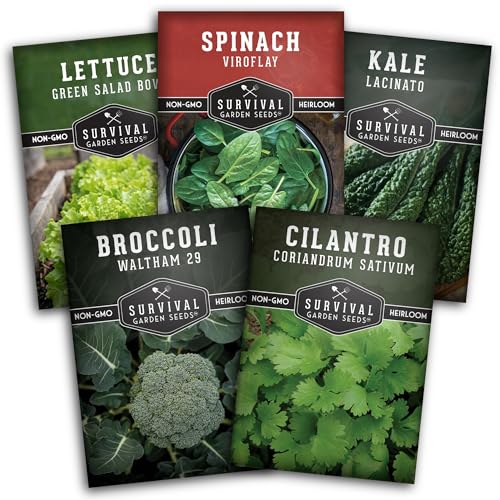
5 COOL SEASON VARIETIES – Includes Broccoli Waltham 29, Kale Lacinato, Lettuce Green Salad Bowl, Spinach Viroflay, and Cilantro for versatile garden harvests
Types of Lettuce
- Butterhead: Soft, tender leaves with a sweet taste. Varieties such as ‘Boston’ and ‘Bibb’ thrive in cooler weather and can tolerate light frost.
- Romaine: Known for its upright growth and crisp texture. Varieties like ‘Parris Island’ resist bolting and can grow well in winter conditions.
- Leaf Lettuce: Includes varieties such as ‘Red Romaine’ and ‘Buttercrunch’. These provide quick harvests and grow quickly, making them ideal for late fall and early winter.
- Crisphead: Also called iceberg, this type is less cold-tolerant. However, early varieties can still yield in milder climates if planted in late summer.
Ideal Growing Conditions
Lettuce prefers cool temperatures and well-drained soil.
- Temperature: Aim for 60°F to 65°F during the day. Lettuce can still grow in temperatures as low as 20°F if properly protected, such as with floating row covers.
- Soil: Use fertile, loamy soil with good moisture retention. Incorporate compost to boost nutrient levels before planting.
- Light: Most lettuce varieties thrive with 12 to 16 hours of light daily. In winter, consider using grow lights if sunlight is limited.
By understanding the different types of lettuce and their ideal growing conditions, you can successfully grow this nutritious crop even in winter months.
Climate Considerations
Growing lettuce in winter requires careful attention to climate factors. Lettuce thrives in cool conditions, making it suitable for winter gardening when temperatures drop. Understanding temperature requirements and frost resistance is crucial for success.
Recommended Products

Comprehensive Winter Protection for Your Garden: Our outdoor plant covers provide complete freeze protection for strawberries, vegetables, tomatoes, fruit trees, citrus plants, shrubs, and potted plants throughout the winter. This frost cloth plant freeze protection shields delicate plants from sudden temperature drops, frost, and strong winds, ensuring they survive harsh winter conditions. Ideal for those looking for frost blankets for outdoor plants and reliable plant freeze protection covers.
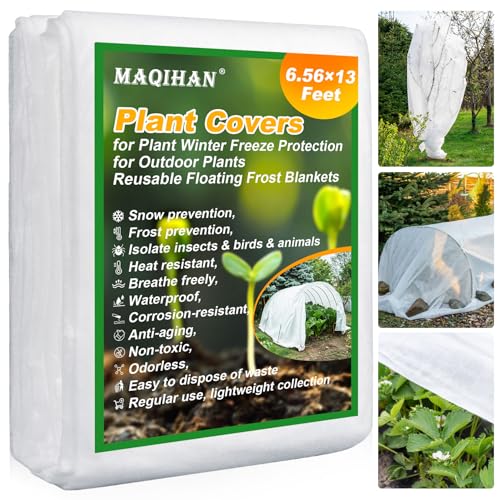
Product Features: Our plant covers are ideal for protecting all plant. Made from premium 1 oz/sq non-woven fabric, their durability and breathability ensuring both insulation against frost and facilitation of sunlight penetration for healthy plant growth
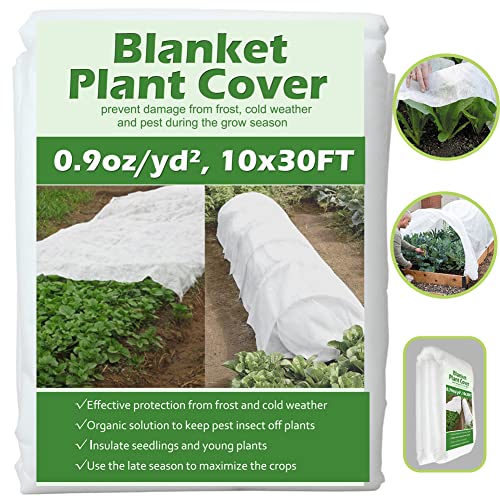
※Big Size to cover large area : The size of our plant cover is 10x30ft, the size can cover large areas. You can cut the plant covers freeze protection into different sizes for different use. You can cover it over the plant such as shrub tomato, pepper, pumpkin, and so on.
Temperature Requirements
Lettuce prefers temperatures between 45°F and 65°F. During this range, growth rates are optimal, resulting in tender, flavorful leaves. When temperatures drop below 40°F, growth slows significantly. Some varieties, like Butterhead and Leaf Lettuce, exhibit better performance in slightly warmer conditions, while varieties such as Romaine tolerate cooler temperatures well. Using row covers or cold frames can help maintain warmer conditions around your plants, supporting growth even in colder weather.
Frost Resistance
Frost can be harmful to lettuce, particularly for sensitive varieties. However, certain types are more resilient. Many leaf and Romaine lettuce types can withstand light frost up to 28°F. To protect your crops, cover them during frosty nights with blankets or frost cloths. Additionally, planting varieties known for their hardiness, like Winter Density or Arctic King, increases your chances of a successful winter harvest. Proper site selection—such as using sheltered spots or south-facing areas—also enhances frost resistance, ensuring your lettuce has a fighting chance against harsh conditions.
Growing Lettuce in Winter
Growing lettuce in winter is achievable with the right strategies and techniques. With cold-resistant varieties and thoughtful planning, you can enjoy fresh lettuce even in the chilly months.
Recommended Products

Wide Coverage, Easy to Cut: The 10 ft width gives broad coverage for garden beds and plant rows, while 12, 20, 30, and 50 ft length options fit different spaces. Cut this floating row cover to size for raised beds, shrubs, vegetables, and seedlings

Plant Covers Garden Hoops Kit for Winter: Winter Frost Cloth kit Including Plant Cover (10 FTx50 FT),36pcs Garden Hoops and 24pcs garden clips.This frost covers kit works well to protect your vegetables,plants,crops, raised bed,fruits trees from damage of freeze or frost Winter.Garden hoops with Frost Blankets can get a lasting protection for your outdoor plants in winter, makes gardening more easier and fun.WYRJXYB Garden Hoop & Blankets Plant Covers kit design to give your plants Protection

【Best Winter Plant Covers Freeze Protection Kit】This garden bed cover kit contains all gardening tools to build a greenhouse: 10 x 30ft frost cloth, 6pcs 7.5ft x 3.2ft support hoops, 18 clips, 10 ground pegs, 20m twist tie, and there is a user manual for you to make it easier and faster.
Planting Strategies
- Choose Hardy Varieties: Select cold-tolerant lettuce types. Popular options include Winter Density and Arctic King. These varieties thrive in cooler temperatures.
- Timing Matters: Aim to plant lettuce about 4 to 6 weeks before the first frost. This ensures your seedlings can establish roots before harsh conditions set in.
- Use Raised Beds: Consider using raised beds to improve drainage and soil warmth. Elevated soil temperatures help combat chill and promote growth.
- Spacing: Space your seedlings adequately, about 12 inches apart. This spacing allows for better air circulation and prevents overcrowding.
- Protect with Covers: Implement row covers or cold frames for extra protection. These structures trap heat and shield plants from frost, extending their growing season.
- Frost Damage: While many lettuce varieties resist frost, prolonged exposure can still cause damage. Use row covers on cooler nights to provide insulation.
- Limited Sunlight: Winter days are shorter, which may affect growth. Position your garden to maximize sunlight exposure, ideally facing south.
- Pest Control: Watch out for pests like aphids and slugs that can still be active in winter. Regular inspection and organic pest control methods can mitigate damage.
- Moisture Levels: Monitor soil moisture closely. Cold weather can lead to overly wet soil, which may cause rot. Ensure drainage is effective.
- Temperature Fluctuations: Sudden temperature changes can stress plants. Be vigilant and cover your crops during unexpected cold snaps.
Benefits of Winter Lettuce
Growing lettuce in winter offers several advantages. Winter lettuce is not only resilient but also provides nutritional benefits and unique flavors, which can enrich your meals.
Nutritional Value
Winter lettuce boasts high nutritional value. It contains essential vitamins A, C, and K, which support your immune system and bone health. Leafy greens are also rich in antioxidants, helping to fight inflammation. For example, one cup of Romaine lettuce provides about 15 calories and more than 100% of your daily vitamin K needs. Including winter lettuce in your diet can contribute to overall wellness.
Flavor Profile
Winter lettuce features a distinct flavor profile. Varieties like Butterhead offer a buttery, sweet taste, while Romaine adds a crisp, refreshing crunch. The colder temperatures can enhance the flavor, making the leaves taste sweeter. You might find winter-grown lettuce more flavorful compared to those grown in warmer months. Pairing winter lettuce with ingredients like citrus or nuts can further elevate its taste in salads or wraps.
Conclusion
Growing lettuce in winter can be a rewarding experience for your garden. With the right varieties and protective measures you can enjoy fresh greens even in the colder months. Remember to choose hardy types and implement strategies like row covers to shield your plants from frost.
Not only will you have delicious lettuce to enhance your meals but you’ll also benefit from its rich nutritional profile. So don’t shy away from winter gardening. Embrace it and watch your lettuce thrive while adding a burst of flavor to your winter dishes. Happy gardening!
Frequently Asked Questions
Can lettuce be grown in winter?
Yes, lettuce can be grown in winter, especially cold-resistant varieties. With proper techniques such as using row covers or cold frames, you can successfully cultivate lettuce in colder months.
What types of lettuce are best for winter gardening?
The best types for winter gardening include Butterhead, Romaine, Leaf Lettuce, and Crisphead. Each variety has unique traits that make them suitable for colder conditions.
What are ideal conditions for growing winter lettuce?
Lettuce thrives in cool temperatures between 45°F and 65°F, well-drained soil, and adequate light. Providing these conditions helps ensure successful winter growth.
How can I protect my lettuce from frost?
To protect lettuce from frost, consider using row covers or cold frames. Covering plants during frosty nights also helps maintain warmth and shield them from damage.
What are the benefits of growing winter lettuce?
Winter lettuce is nutritious, rich in vitamins A, C, and K, and has unique flavors enhanced by colder growing conditions. It adds variety and health benefits to winter meals.
How early should I plant winter lettuce?
Plant winter lettuce about 4 to 6 weeks before the first frost. This timing allows the plants to establish themselves and grow successfully through the colder months.
What challenges might I face when growing winter lettuce?
Challenges include frost damage, limited sunlight, pest control, moisture levels, and temperature fluctuations. Implementing protective measures can help mitigate these issues.
How can I improve drainage for winter lettuce?
Using raised beds helps improve soil drainage and warmth, making it an effective method for growing winter lettuce and ensuring healthier plants.
