

Have you ever wondered how long it takes for lettuce seeds to sprout? If you’re planning your garden or just curious about growing your own greens, knowing the germination time is key. Lettuce is a popular choice for many home gardeners, but patience is often tested while waiting for those tiny seeds to transform into vibrant plants.
Key Takeaways
- Lettuce seeds typically germinate within 7 to 14 days, depending on temperature and moisture conditions.
- Optimal soil temperatures for lettuce germination range from 60°F to 75°F, with moderate moisture levels crucial for success.
- Using well-drained, loamy soil with a pH of 6.0 to 7.0 improves germination rates and promotes healthy seedling growth.
- Pre-soaking seeds for 4 to 8 hours can accelerate germination by softening the seed coat.
- Common germination challenges include low seed quality, inconsistent moisture, extreme temperatures, and insufficient light after sprouting; addressing these issues can enhance success rates.
- Following best practices in seed selection and soil preparation ensures a thriving lettuce garden.
Factors Affecting Lettuce Germination
Several factors influence the germination of lettuce seeds. Understanding these can help you achieve better growth in your garden.
Temperature and Weather Conditions
Temperature plays a crucial role in lettuce germination. Optimal soil temperatures range from 60°F to 70°F (15°C to 21°C). When temperatures drop below 40°F (4°C) or exceed 75°F (24°C), germination may slow down or fail. Additionally, weather conditions such as excessive moisture or drought can impact seed sprouting. Planting lettuce in early spring or fall, when temperatures are moderate, often yields the best results.
Soil Quality and Texture
Soil quality directly affects seed germination. Well-drained, loamy soil rich in organic matter promotes healthy growth. Aim for a soil pH between 6.0 and 7.0 for optimal results. Compacted or poor-quality soil can hinder germination, leading to weak seedlings. To enhance soil quality, mix in compost or aged manure before planting. Testing your soil beforehand can help you assess its nutrient content and adjust accordingly.
Steps to Germinate Lettuce Seeds
Germinating lettuce seeds involves simple steps that increase your chances of success. Here’s how to get started.
Recommended Products

All-in-One Convenient Design: The sprouting jar lid's innovative two-in-one structure allows it to double as a sturdy stand—no extra parts needed. This integrated sprouting lid fits securely on 3.74-inch wide-mouth Mason jars, guaranteeing leak-free sprouting

Set includes 43 lightly assorted Vegetable and Herb seeds!

FIVE FLAVORFUL VARIETIES FOR A COMPLETE SALAD GARDEN SOLUTION. This lettuce seed pack includes black seeded simpson, red romaine, bibb, buttercrunch, and iceberg. Perfect for salads, wraps, smoothies, and toppings with fresh, homegrown flavors year-round.
Choosing the Right Seeds
Selecting suitable seeds makes a significant difference in germination success. Look for varieties like Romaine, Butterhead, or Looseleaf, which thrive in various conditions. Check the expiration date on the seed packet, ensuring freshness for optimal germination rates. Choose organic seeds for better health and flavor.
Pre-soaking and Planting Techniques
Pre-soaking seeds aids in quicker germination. Soak lettuce seeds in water for about 4 to 8 hours before planting. This softens the seed coat, promoting easier sprouting.
Plant seeds in well-prepared soil. Space them about 1 to 2 inches apart to allow for growth. Cover the seeds with a thin layer of soil, approximately 1/8 to 1/4 inch thick. Keep the soil consistently moist but not soggy. Use a fine spray or a watering can with a gentle spout to avoid displacing the seeds.
To maintain suitable conditions, provide filtered sunlight or fluorescent lighting if indoors. Mimic outdoor conditions to enhance germination success. Keep an eye on soil temperature, aiming for that sweet spot of 60°F to 70°F for optimal results.
Timing for Lettuce Germination
Lettuce seeds require specific conditions for successful germination, which typically occurs within a window of time based on several variables.
Recommended Products
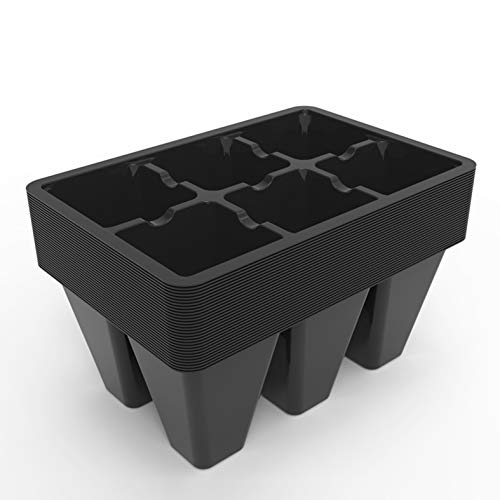
High Quality and Durable - Our Gardzen Seed Start Trays are made from premium plastic material, ensuring long-lasting use for all your seed starting needs. These trays are designed to withstand daily wear and tear, making them perfect for avid gardeners.

EASIER SEED STARTING: Our Burpee SuperSeed tray with 36 flexible pop-out cells is designed to simplify indoor seed starting for all your favorite vegetables, flowers and herbs. Just add seed starting mix, seeds, water and light to get growing! Rows are labeled alphanumerically for seedling identification with included Plant-o-Gram diagram. Tray dimensions: 11.5" x 10-3/8" x 2-1/4"

EASIER SEED STARTING: Our Burpee SuperSeed tray with 16 extra-large flexible pop-out cells is designed to simplify indoor seed starting. Just add seed starting mix, seeds, water and light to get growing! Rows are labeled alphanumerically for seedling identification with included Plant-o-Gram diagram.
Typical Germination Period
Lettuce seed germination generally takes 7 to 14 days. Factors like temperature and moisture can speed up or slow down this process. Seeds germinate best at soil temperatures between 60°F and 75°F. At these temperatures, you’ll likely see sprouting closer to the 7-day mark. Once temperatures dip below 50°F or exceed 80°F, germination may take longer, potentially reaching 14 days or more.
Conditions for Optimal Germination
Achieving optimal germination involves controlling several key conditions:
- Soil Temperature: Maintain soil temperatures between 60°F and 75°F for best results.
- Moisture Levels: Ensure the soil remains consistently moist but not waterlogged. A balance promotes healthy germination.
- Soil Quality: Use well-drained loamy soil with a pH between 6.0 and 7.0. Quality soil supports strong roots.
- Light Exposure: While light isn’t necessary for seed germination, providing light once seedlings emerge aids their growth.
By monitoring these conditions, you enhance your chances of quick and successful lettuce germination.
Troubleshooting Germination Issues
You may face some challenges while germinating lettuce seeds. Understanding common problems and finding solutions can improve your success rate.
Common Problems Encountered
- Low Germination Rate: Seeds may fail to sprout if they’re old or stored improperly. Check the expiration date on seed packets.
- Inconsistent Moisture: Lettuce seeds need even moisture. Too dry or too wet soil can hinder germination.
- Improper Temperature: Soil that’s too cold or too hot can result in poor germination. Ideal temperatures range from 60°F to 75°F.
- Insufficient Light: While seedlings don’t require light to germinate, they need it after sprouting. Lack of light can stunt growth.
- Check Seed Quality: Use fresh, high-quality seeds from a reliable source. Test germination rates by placing a few seeds in a damp paper towel for a few days.
- Maintain Moisture: Keep the soil consistently moist. Use a spray bottle for gentle watering to avoid disrupting the seeds.
- Monitor Temperature: Use a soil thermometer to ensure optimal soil temperature. Consider using a heating mat for colder environments.
- Provide Adequate Light: Once the seeds germinate, place seedlings under grow lights or in a sunny spot to support healthy growth.
By recognizing these common problems and implementing these solutions, you can enhance your chances of successful lettuce germination.
Conclusion
Growing your own lettuce can be a rewarding experience. With a little patience and attention to detail you can enjoy fresh greens right from your garden. Remember to keep an eye on the soil conditions and provide the right amount of moisture and light.
If you encounter any hiccups along the way don’t get discouraged. Troubleshooting is part of the gardening journey. Before you know it you’ll be harvesting crisp lettuce leaves for your favorite salads. Happy gardening!
Frequently Asked Questions
What conditions are necessary for lettuce seed germination?
Lettuce seeds require specific conditions for germination, including soil temperatures between 60°F and 75°F, consistent moisture levels, and high-quality soil. Ensuring these factors are optimal will promote successful germination.
How long does it take for lettuce seeds to germinate?
Lettuce seeds typically germinate within 7 to 14 days. This timeframe can vary based on environmental factors like temperature and moisture levels. Proper conditions can speed up the process.
Which lettuce varieties are best for home gardens?
Recommended lettuce varieties for home gardens include Romaine, Butterhead, and Looseleaf. Each type has its own characteristics, making them great choices for various gardening preferences.
What should I do if my lettuce seeds aren’t germinating?
If lettuce seeds aren’t germinating, check for issues like low seed quality, inconsistent moisture, or improper temperature. Adjusting these factors can improve your chances of successful germination.
How can I maintain moisture levels for lettuce seeds?
To maintain moisture levels, regularly check the soil and water as needed, ensuring it’s damp but not soggy. A mulch layer can also help retain moisture and create a stable environment for germination.
