

Have you ever wondered how much water your lettuce really needs? If you’re growing your own greens or just curious about gardening, you might be surprised by the answer. Too little water can lead to wilted leaves, while too much can drown your plants.
Key Takeaways
- Lettuce Water Requirements: Lettuce thrives on consistent moisture, requiring about 1 to 2 inches of water per week, with variations based on climate and soil type.
- Signs of Overwatering and Underwatering: Yellowing leaves and root rot indicate overwatering, while wilting and dry, cracked soil signal underwatering. Monitor these signs for healthy growth.
- Factors Influencing Water Needs: Water requirements are affected by soil type, weather conditions, growth stage, and plant spacing—each necessitating tailored watering routines.
- Best Irrigation Practices: Utilize drip irrigation or soaker hoses for effective watering, and consider morning watering to reduce evaporation and promote moisture absorption.
- Adjusting Watering Frequency: Frequent checks are essential; young seedlings need less water than mature plants. Adapt watering schedules according to growth stages and environmental conditions.
Understanding Lettuce Water Requirements
Lettuce requires a specific amount of water to thrive. Proper hydration supports its growth and health, making it essential to understand its water needs.
Importance of Water for Lettuce Growth
Water plays a crucial role in lettuce growth. It facilitates nutrient absorption through the roots, helping your plants develop strong leaves. Insufficient water leads to wilting and reduced yields, while excess water can cause root rot. Aim for consistent moisture to maintain vibrant, crunchy lettuce.
Factors Influencing Water Needs
Several factors influence how much water your lettuce plants need:
- Soil Type: Sandy soils drain quickly, requiring more frequent watering. Clay soils retain moisture longer, allowing for less frequent watering.
- Weather Conditions: Hot and sunny days increase water evaporation rates. Check your plants daily in such conditions.
- Growth Stage: Young seedlings require less water than mature plants. Adjust your watering routine based on their growth stage.
- Spacing: Tightly spaced plants compete for water, leading to quicker dehydration. Ensure adequate spacing for better moisture retention.
By monitoring these factors, you can optimize your lettuce watering routine for healthy, thriving plants.
How Much Water Does Lettuce Need?
Lettuce needs consistent moisture for optimal growth. Understanding its water requirements helps maintain healthy plants.
Recommended Products

Accurate Soil Moisture Detection: The XLUX Soil Moisture Meter can tell you if the soil deep inside your pot or garden is dry, moist or wet; whereas your eyes and fingers can only determine the moisture level of the soil surface. The probe is 5.5 inches (14 cm) longer than regular styles, allowing it to measure the soil moisture at the bottom of larger and deeper flower pots.
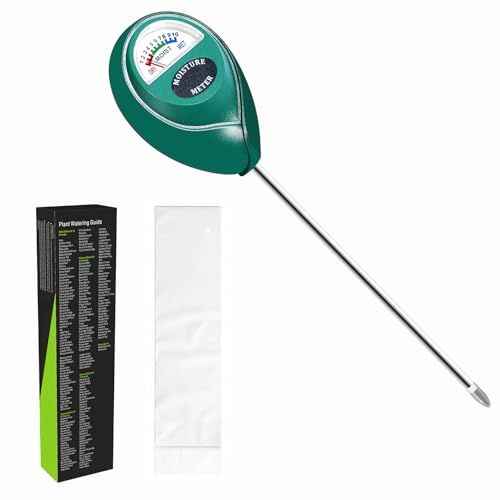
Trusted Since 2015: Become one of the many plant lovers who rely on the proven accuracy of XLUX. Established in 2015, our soil moisture meter has earned over 60,000+ verified ratings for its consistent performance. While many many newer brands come and go, we provide the long-term reliability and quality that American households have trusted for over a decade.

Kindly NOTE: This soil tester can not be applied to test pH value of any other liquid. If the soil is too dry the indicator will not move, and water it before testing.
Daily Water Intake
Lettuce typically requires about 1 to 2 inches of water each week. This amount can vary based on environmental factors. For instance, hot weather and direct sunlight increase water needs. If growing in containers, check daily, as they dry out faster. During dry spells, consider watering more frequently, perhaps every other day, depending on soil drainage.
Soil Moisture Levels
Soil moisture plays a crucial role in lettuce health. Aim for evenly moist soil, not soggy or dry. You can check moisture levels by sticking your finger about an inch into the soil. If it feels dry, it’s time to water. Using mulch can help retain moisture and prevent temperature fluctuations in the soil. Adjust watering patterns based on rainfall; lettuce doesn’t thrive in overly saturated soil.
Signs of Overwatering and Underwatering
Understanding the signs of overwatering and underwatering helps maintain healthy lettuce plants. You’re looking to keep those leaves vibrant and crunchy.
Recommended Products
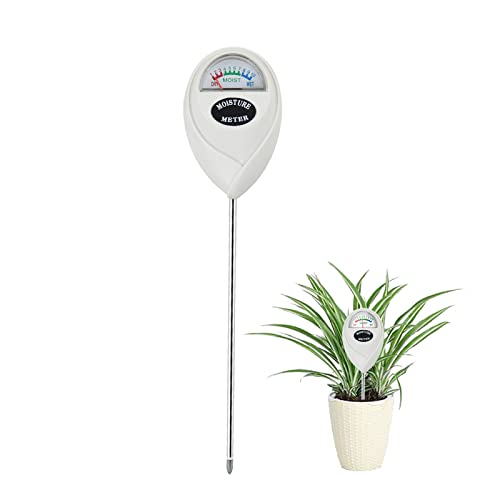
【SAVE YOUR PLANTS】: Over watering can cause problems with your plants or even kill them. This soil moisture meter helps you know the soil is dry, moist or wet.No more over watering!
Dimensions: 0.4 x 0.3 x 4.7 inches (small) - Intended for pot sizes of 2, 2.5, and 3 - Ideal for small succulents
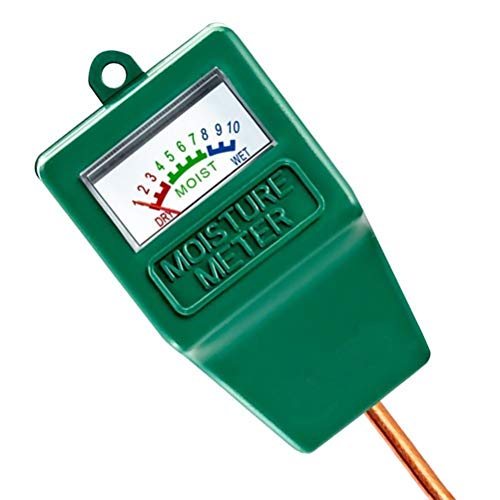
Soil Moisture Meter: This single probe soil moisture meter is specially designed for testing the moisture level in the soil, helps you decide whether the plants need water or not, helps to keep plants alive.
Overwatered Lettuce Symptoms
- Yellowing Leaves: Leaves may start to turn yellow, particularly those closest to the base. This signals a lack of oxygen in the roots.
- Wilting or Drooping: Ironically, overwatered plants can appear wilted or droopy. This happens due to root saturation.
- Root Rot: Dark, mushy roots indicate potential root rot. If you notice this, check your watering routine immediately.
- Soggy Soil: Soil that remains consistently wet can attract diseases, leading to further issues.
- Fungal Growth: Excess moisture often leads to fungal problems, visible as mold on the soil surface.
- Dry, Cracked Soil: Soil pulling away from the sides of the pot indicates it needs water. It may feel dry to the touch.
- Limply Leaves: Leaves may wilt, becoming soft and limp. This is a clear sign your lettuce needs watering.
- Browning Edges: Brown or crispy leaf edges show stress from lack of moisture.
- Slow Growth: Plants may stop growing or grow slowly, indicating they’re not getting enough water.
- Fossilization: In severe cases, leaves can become stiff and texture may change, resembling a dried-up plant.
Monitoring these signs allows for quick adjustments to your watering routine, ensuring your lettuce remains in optimal health.
Best Practices for Watering Lettuce
Effective watering is a key component of growing healthy lettuce. By following best practices, you can ensure your lettuce thrives and produces crisp, delicious leaves.
Recommended Products

Be a Gardening Master with the help of our superior and complete Drip Irrigation Kit: 10 Drip Irrigation Emitters Vortex + 20 Drip Emitters Spray + 50ft flexible & durable 5/16 irrigation tubing + 50ft 1/4 inch Drip Irrigation Tubing + 12 tubing coupler + 5 ¼ Tubing Tee Splitter + Tubing End Plugs + Water Connector + 1 x Complete Instructions Guide Hard Copy + 2 Grow your Own Vegetables & Fruits Guide full with pieces of advice and practical tips Digital Format.
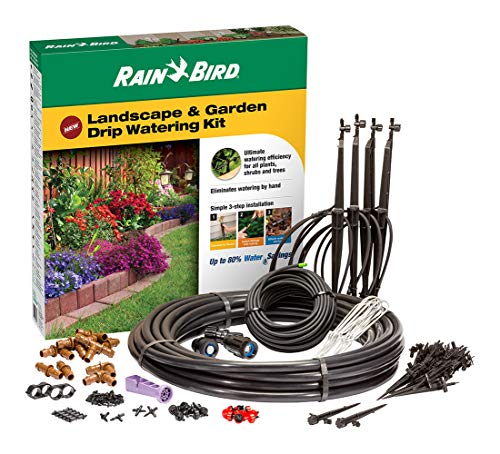
Comprehensive 108-piece kit for flower beds, gardens and landscaped areas; eliminates hand watering, saves time and money

【Upgraded Tube Design & Water Saving】 Our adjustable garden watering system is upgraded to 1/2” diameter to support high water pressure. The 1/2” tee connector in the package so you can easily set up 2 drip irrigation systems as needed. Garden watering systems minimize stage water loss by recharging water directly to plant roots. While traditional irrigation often results in wasted water, this drip irrigation system saves up to 70% of water, no need for manual watering, saves water.
Irrigation Techniques
- Drip Irrigation: Install a drip irrigation system for consistent moisture. This method delivers water directly to the root zone, minimizing evaporation and ensuring even watering.
- Soaker Hoses: Use soaker hoses to provide slow, steady moisture. Lay them on top of the soil and cover them with mulch to trap moisture and reduce weeds.
- Hand Watering: Select a watering can or hose with a fine spray nozzle to avoid flooding the plant base. Water at the soil level, not from above, to prevent leaf diseases.
- Mulching: Apply a layer of organic mulch around the plants. Mulch retains moisture, regulates soil temperature, and suppresses weeds, reducing the need for frequent watering.
- Morning Watering: Water your lettuce in the early morning. This allows plants to absorb moisture before the heat of the day, minimizing evaporation.
- Aeration Checks: Check soil moisture level by sticking your finger an inch into the soil. If it feels dry, it’s time to water. Adjust frequency based on weather conditions and growth stage.
- Frequency: Water lettuce every 3-5 days, depending on rainfall and temperature. Hot weather may require daily checks to ensure proper moisture.
- Adjustment During Growth Stages: Increase watering frequency as lettuce matures. Young plants require less water, while mature plants need more to support leaf development.
By employing these techniques and paying attention to timing and frequency, you can create an optimal watering routine for your lettuce.
Conclusion
Taking care of your lettuce means paying attention to its water needs. By understanding the right balance and using effective watering techniques you can help your plants thrive. Remember to observe their growth and adjust your routine accordingly. With a little bit of care your lettuce will reward you with fresh and crunchy leaves that are perfect for salads and sandwiches. Enjoy the process and happy gardening!
Frequently Asked Questions
What are the water requirements for lettuce plants?
Lettuce plants generally require consistent moisture to thrive. They need about 1 to 1.5 inches of water per week, depending on factors like soil type, weather, and growth stage. It’s essential to keep the soil evenly moist but not soggy.
How can I tell if my lettuce is overwatered?
Signs of overwatering in lettuce include yellowing leaves, wilting, and root rot. If the soil feels waterlogged or has a foul smell, you may be overwatering your plants. Adjust your watering habits accordingly.
What are the signs of underwatering lettuce?
Underwatered lettuce often displays signs like wilting, dry and crispy leaves, and slow growth. Inspect the soil; if it feels dry an inch below the surface, it’s time to water your plants.
What is the best way to water lettuce?
Using methods like drip irrigation, soaker hoses, and mulching helps maintain consistent moisture levels for lettuce. Watering in the morning allows plants to absorb moisture before the heat of the day.
How does soil type affect lettuce watering needs?
Soil type significantly impacts lettuce water requirements. Sandy soils drain quickly and need more frequent watering, while clay soils retain moisture longer. Adjust your watering schedule based on the soil’s drainage capabilities.
Can weather conditions affect lettuce watering?
Yes, weather conditions play a crucial role in watering lettuce. Hot, dry weather increases evaporation, leading to a greater need for water, while cooler, humid conditions may require less. Regularly check soil moisture levels.
How should I adjust watering based on lettuce growth stages?
You should water seedlings lightly and regularly, as they require consistent moisture. As the plants mature, you can increase the amount of water, ensuring deeper penetration into the soil to promote strong root development.
