

Are you eager to enjoy fresh, crisp lettuce from your garden? Timing is everything when it comes to planting lettuce from seed. If you plant too early or too late, you might miss out on that delicious harvest.
Key Takeaways
- Choose the Right Varieties: Understanding different lettuce types (Butterhead, Crisphead, Looseleaf, Romaine, and Oakleaf) allows for a flavorful and diverse harvest tailored to your preferences and growing conditions.
- Optimal Planting Times: Plant lettuce seeds 2-4 weeks before the last frost in spring and 6-8 weeks before the first frost in fall for the best growth and flavor.
- Soil Preparation Matters: Use well-draining, loamy soil with a pH between 6.0 and 6.8, and incorporate organic matter to ensure optimal conditions for strong growth.
- Regular Care is Crucial: Keep soil consistently moist and fertilize every 3-4 weeks with balanced nutrients to promote healthy lettuce plants and increase yield.
- Pest and Disease Monitoring: Regularly check for common pests and fungal diseases, employing natural deterrents and preventative measures to protect your crop.
- Stagger Planting for Continuity: For a continuous supply of lettuce, consider staggering planting every two weeks throughout the growing season.
Understanding Lettuce Varieties
Understanding lettuce varieties helps you choose the right type to plant for your garden. Various kinds of lettuce thrive in different conditions, making it essential to recognize which one suits your growing environment.
Different Types of Lettuce Seeds
Lettuce seeds come in several types, each offering unique flavors and textures:
- Butterhead Lettuce: It features soft, tender leaves and a sweet flavor. Varieties like Buttercrunch and Boston are popular choices.
- Crisphead Lettuce: This type has tightly packed, crunchy leaves. Iceberg lettuce is a well-known example, often found in salads.
- Looseleaf Lettuce: With a loose arrangement of leaves, this variety can be harvested continuously. Red Romaine and Red Leaf lettuces are common options.
- Romaine Lettuce: Known for its upright growth and fleshy leaves, Romaine offers a bold flavor. It’s often used in Caesar salads.
- Oakleaf Lettuce: This variety has unique, lobed leaves and a mild taste. It’s an excellent choice for versatile salads.
Choosing the right seeds based on your preferences ensures a diverse and flavorful harvest.
Growth Habits and Climate Considerations
Lettuce growth habits depend on specific climate conditions. Here are key factors to consider:
- Cool Weather: Lettuce generally prefers cooler temperatures, ideally ranging from 60°F to 70°F. Plant early in spring or later in summer for a fall harvest.
- Heat Sensitivity: High temperatures can lead to bolting, where lettuce flowers prematurely. If you live in a hotter climate, select heat-tolerant varieties, such as Butterhead or some Looseleaf types.
- Day Length: Some varieties like Romaine thrive in longer daylight hours, while others prefer shorter days. Align planting times with seasonal variations for optimal growth.
- Soil Type: Lettuce grows best in well-drained soil, rich in organic matter. Aim for a pH between 6.0 and 7.0 for healthy plants.
By understanding these growth habits and climate factors, you can plan your planting schedule effectively. Adjusting your choices based on environmental needs leads to a successful lettuce garden.
Timing Planting for Optimal Growth
Planting lettuce at the right time maximizes growth and enhances flavor. Understanding seasonal guidelines ensures a successful harvest.
Spring Planting Guidelines
Spring typically offers the ideal conditions for lettuce. Aim to plant seeds 2-4 weeks before the last expected frost date in your area. Use soil temperatures around 45-65°F (7-18°C) for optimal germination.
Consider the following tips for spring planting:
- Seed Depth: Plant seeds about 1/4 to 1/2 inch deep.
- Spacing: Space seeds 4-6 inches apart for better airflow.
- Watering: Keep the soil consistently moist during germination.
You can also stagger planting every two weeks for a continuous supply of fresh lettuce.
Fall Planting Considerations
Fall planting offers another great opportunity for growing lettuce. Start seeds 6-8 weeks before the first expected frost. Cooler temperatures promote sweeter flavors in the leaves.
Follow these guidelines for successful fall planting:
- Choose Quick-Maturing Varieties: Look for types like Looseleaf or Romaine that mature quickly.
- Use Row Covers: Protect young plants from cold and frost with row covers when necessary.
- Thinning: Thin seedlings to 6-8 inches apart once they have several true leaves, allowing for better growth.
Fall lettuce often thrives, providing a second crop before winter sets in.
Preparing for Planting
Preparing for planting lettuce requires attention to soil quality and seed readiness. Ensuring the right conditions leads to strong growth and flavorful harvests.
Recommended Products

NUTRIENT-RICH, NATURAL, AND ORGANIC SOIL: Grow a bountiful garden in your home with the Back to the Roots All-Purpose Natural and Organic Peat-Free 3-in-1 Seed Starting Mix, packed with the nutrients needed for your plants, flowers, and vegetables to thrive

Includes Back to the Roots Compressed Seed Starting Potting Mix that expands to 12qt of soil. A balanced pH, which means it’s truly all-purpose. Use alone or as an amendment for anything in a pot or in the ground — vegetables, flowers, herbs, and even starting seeds.

Accurate Soil pH Testing: Dewildetradingco Soil pH Test Strips offer measurements of soil pH levels (pH 3.5-9). As an essential tool for every gardener and grower, these test strips help determine the optimal pH for various plants, such as outdoor plants, indoor plants, gardens, grass lawns, fruit trees, flowers, vegetables, and forest shrubs.
Soil Requirements
Ensure the soil meets lettuce’s preferences. Follow these guidelines for optimal soil preparation:
- Soil Type: Use well-draining, loamy soil. Avoid heavy clay which retains too much water.
- pH Level: Aim for a pH of 6.0 to 6.8. Test the soil using a pH meter or test kit for accurate readings.
- Nutrients: Incorporate organic matter. Mix in compost or aged manure to enhance fertility.
- Drainage: Ensure good drainage. Raised beds improve drainage, preventing root rot in wetter conditions.
- Moisture: Maintain consistent moisture. Keep the soil slightly moist but not soggy to encourage seed germination.
- Seed Selection: Choose fresh, high-quality seeds. Purchase from reputable sources to ensure better germination rates.
- Soaking Seeds: Soak seeds in water for 2-4 hours before planting. This hydration speeds up germination.
- Pre-Germination: Consider sprouting seeds before planting. Place them in a damp paper towel in a warm location for a few days, then plant once they show tiny sprouts.
- Spacing: Plan for appropriate spacing. Plant seeds about ¼ to ½ inch deep, with spacing of 6-12 inches between rows to allow for proper airflow.
- Labeling: Label your seed trays or garden plots. Use markers to keep track of different lettuce varieties and planting dates for future reference.
Care After Planting
After planting your lettuce seeds, proper care is crucial for healthy growth. Focus on watering, fertilization, and pest management to ensure a successful harvest.
Recommended Products
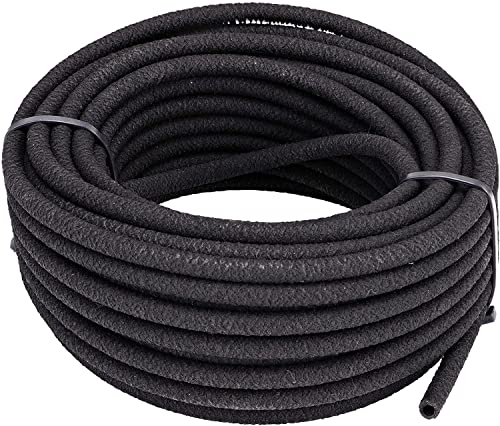
Slowly waters the soil around your plants for complete root zone hydration; Ideal for short runs on flat surfaces, such as vegetable gardens, borders, and around small plants

Works like soaker hose only better because it doesn’t clog and requires no maintenance

Higher Cost Performance Provide: enough length soaker hoses to get higher cost performance,and our 1/4 " diameter soaker hose set not only include 100 Ft length soaker hose but also include a rich range of accessories for a variety of uses,help you make custom length soaker hoses cheap & easy.
Watering and Fertilization Tips
Water consistently to keep the soil moist but not soggy. Aim for at least 1 inch (2.5 cm) of water per week, adjusting this based on rainfall and temperature. Use a soaker hose or drip irrigation to minimize water on the leaves, which can lead to rot.
Fertilize your lettuce every 3-4 weeks after seedlings establish. Use a balanced fertilizer, such as a 10-10-10 NPK mixture, to provide essential nutrients. Mix 1 tablespoon (15 g) of fertilizer into the top 2 inches (5 cm) of soil around the plants. For organic options, consider compost or well-rotted manure for nutrient-rich additions.
Pest and Disease Management
Monitor your lettuce regularly for pests and diseases. Common pests include aphids, slugs, and caterpillars. Use methods like handpicking, traps, or row covers to protect seedlings. For a natural deterrent, sprinkle diatomaceous earth around the base of the plants.
Fungal diseases, such as downy mildew, can be problematic. Ensure good air circulation by spacing plants adequately. Avoid watering in the evening to reduce moisture on foliage. If disease appears, remove affected plants immediately to prevent spread.
By following these care tips, you’ll promote strong, vibrant growth in your lettuce plants, setting the stage for a bountiful harvest.
Conclusion
Planting lettuce from seed can be a rewarding experience when you get the timing just right. By understanding the unique needs of different lettuce varieties and considering your local climate you can enjoy a steady supply of fresh greens. Remember to prepare your soil well and provide consistent care to help your seeds thrive.
With a little planning and attention you’ll be on your way to harvesting delicious lettuce that adds flavor and nutrition to your meals. Happy gardening and enjoy the fruits of your labor!
Frequently Asked Questions
When is the best time to plant lettuce seeds?
Lettuce seeds should be planted 2-4 weeks before the last expected frost for spring gardening and 6-8 weeks before the first expected frost for fall gardening. This timing ensures optimal growth and a successful harvest.
What are the different varieties of lettuce?
Common varieties of lettuce include Butterhead, Crisphead, Looseleaf, Romaine, and Oakleaf. Each type has unique flavors and textures, making it important to choose the right variety for your garden.
What soil conditions are best for growing lettuce?
Lettuce thrives in well-draining, loamy soil with a pH level of 6.0 to 6.8. Enriching the soil with organic matter is essential for fertility and good drainage to prevent root rot.
How often should I water my lettuce plants?
Lettuce plants should receive at least 1 inch (2.5 cm) of water per week. Consistent watering is key, and using a soaker hose or drip irrigation can help maintain moisture without over-saturating the soil.
What are some tips for pest management in lettuce gardening?
Regularly monitor for pests and diseases, employ handpicking, and consider using diatomaceous earth for natural pest control. Ensuring good air circulation and avoiding evening watering can help prevent fungal diseases.
