

Growing potatoes successfully requires careful planning and execution. Start by selecting the right seed potatoes and preparing your soil properly to ensure a bountiful harvest. This guide provides essential steps and tips to maximize your potato yield.
Essential Tools and Materials Checklist
To successfully grow potatoes, having the right tools and materials is crucial. This checklist will help you gather everything you need, from planting equipment to soil amendments, ensuring you are well-prepared for a productive gardening experience. With the right setup, you can maximize your potato yield and enjoy a bountiful harvest.
Before planting, ensure you have the right tools and materials. The following checklist will help you prepare effectively.
| Item | Purpose |
|---|---|
| Seed Potatoes | Source of new plants |
| Garden Fork | Loosens soil for planting |
| Trowel | Digging holes for seed potatoes |
| Mulch | Retains moisture and suppresses weeds |
| Fertilizer | Provides necessary nutrients |
Having these supplies on hand will streamline your planting process.
Soil Preparation Techniques for Potatoes
Preparing the right soil is crucial for successful potato cultivation. This section delves into essential techniques to create an optimal growing environment, ensuring your potatoes receive the nutrients and drainage they need. By following these guidelines, you can set the foundation for a bountiful harvest.
Soil preparation is crucial for potato cultivation. Start by choosing a location with full sunlight and well-drained soil.
Test Soil pH: Aim for a pH between 5.8 and 6.5.
Amend Soil: Incorporate organic matter like compost or well-rotted manure to improve soil structure.
Loosen Soil: Use a garden fork to aerate the soil to a depth of 12 inches.
Properly prepared soil sets the foundation for healthy potato plants.
Effective Potato Planting Strategies
Successful potato cultivation begins with understanding effective planting strategies that maximize yield and promote healthy growth. By selecting the right planting techniques and timing, gardeners can ensure robust development and a bountiful harvest. This section delves into the essential methods to plant potatoes effectively, drawing on expert advice and practical tips for optimal results.
Planting techniques significantly influence your potato yield. Follow these steps for best results.
Cut Seed Potatoes: If large, cut them into pieces with at least one eye each.
Allow to Heal: Let the cut pieces dry for 24 hours to prevent rot.
Plant at Correct Depth: Dig holes 4-6 inches deep and space them 12 inches apart.
Cover with Soil: Gently cover the seed potatoes with soil and water lightly.
Following these steps ensures your potatoes have the best chance to thrive.
Potato Watering and Fertilizing Best Practices
Proper watering and fertilizing are crucial for achieving a bountiful potato harvest. Understanding the specific needs of your potato plants can significantly enhance their growth and yield. This section will outline the best practices to ensure your potatoes receive the right amount of moisture and nutrients throughout their growing season.
Maintaining a consistent watering and fertilizing schedule is vital. Potatoes require adequate moisture but are susceptible to rot if overwatered.
Watering Frequency: Water deeply once a week, increasing during dry spells.
Fertilizer Application: Apply a balanced fertilizer every 4-6 weeks after planting.
Monitoring moisture levels will help prevent diseases and promote healthy growth.
Recommended Products

Accurate Soil Moisture Detection: The XLUX Soil Moisture Meter can tell you if the soil deep inside your pot or garden is dry, moist or wet; whereas your eyes and fingers can only determine the moisture level of the soil surface. The probe is 5.5 inches (14 cm) longer than regular styles, allowing it to measure the soil moisture at the bottom of larger and deeper flower pots.

【4 in 1 function】This is a 4-in-1 multifunctional soil tester.Our soil tester fastly to measure soil moisture, pH, temperature and sunlight to help you take better care of flowers and plants.You can know when you need to water your soil by measuring moisture and pH & Temperature value of the soil and sunlight level of plants with it.

WATER LEAK DETECTOR detects relative moisture content from leaks and flooding
Pest and Disease Control for Potatoes
Managing pests and diseases is crucial for a successful potato harvest. This section will explore effective strategies to protect your plants from common threats, ensuring healthy growth and maximizing yield. By understanding the potential challenges and implementing the right control measures, you can cultivate robust potato crops with confidence.
Pest and disease management is essential for a successful potato crop. Regular inspections can help you catch issues early.
Common Pests: Aphids, Colorado potato beetles, and cutworms.
Preventive Measures: Use row covers and introduce beneficial insects like ladybugs.
Disease Awareness: Watch for signs of blight or scab, and rotate crops annually.
Implementing these strategies will protect your plants and ensure a healthy harvest.
Recommended Products

3-in-1 FORMULA: Aphid spray for outdoor plants for use on roses, flowers, shrubs and trees to control listed insects, disease and mites
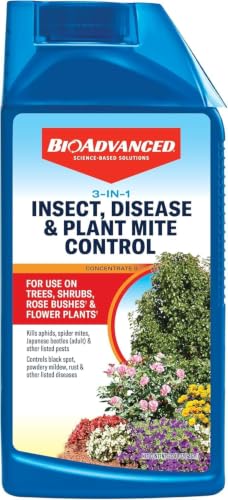
3-IN-1 PLANT CARE: 3-in-1 formula provides insect control, disease control, and mite control in one solution; Delivers protection for up to 14 days

Optimal Harvest Timing for Potatoes
Timing your potato harvest is crucial for achieving the best flavor and texture. Understanding the signs that indicate when your potatoes are ready can make a significant difference in your yield and overall satisfaction. This section will guide you through the optimal harvesting period to ensure your potatoes are at their peak.
Timing your harvest is critical. Potatoes can be harvested when the plants begin to yellow and die back.
Determine Readiness: Check the size of the potatoes by gently digging around the base.
Use Proper Tools: A garden fork is ideal for lifting potatoes without damaging them.
Cure Potatoes: Store harvested potatoes in a cool, dark place for a few weeks to improve flavor.
Following these harvesting techniques maximizes your yield and quality.
Common Potato Growth Challenges
Growing potatoes can be rewarding, but it also comes with its share of challenges. From pests to diseases and environmental factors, understanding these common issues is crucial for a successful harvest. This section delves into the typical problems gardeners face when cultivating potatoes and offers practical solutions to overcome them.
Understanding common potato issues can save your crop. Here are some frequent problems and solutions.
| Issue | Symptoms | Solution |
|---|---|---|
| Blossom End Rot | Dark spots on fruit | Ensure consistent watering |
| Yellow Leaves | Nutrient deficiency | Apply balanced fertilizer |
| Wilting Plants | Overwatering | Improve drainage |
Addressing these issues promptly will help maintain a healthy potato crop.
Essential Tips for Thriving Potato Crops
Growing potatoes can be a rewarding endeavor, but success hinges on understanding key techniques and best practices. This section offers essential tips to ensure your potato crops thrive, from selecting the right variety to mastering soil conditions and watering schedules. Equip yourself with the knowledge needed to cultivate a bountiful harvest.
To ensure a successful potato growing season, consider these additional tips.
Rotate Crops: Avoid planting potatoes in the same spot each year to reduce disease risk.
Mulch Regularly: Apply mulch to retain moisture and suppress weeds.
Monitor Weather: Be aware of frost dates and protect young plants accordingly.
Implementing these strategies will enhance your potato-growing experience.
