

Benefits of Leaf Mulch for Carrots
Leaf mulch offers many benefits for carrots, making it an excellent choice for your garden:
- Moisture Retention: Helps retain moisture, ensuring your carrots stay hydrated even during dry spells.
- Weed Suppression: Reduces weed growth, keeping your carrot plants free from unwanted competition.
- Temperature Regulation: Acts as a natural insulator, protecting carrots from temperature fluctuations.
- Nutrient Enrichment: Breaks down over time, enriching the soil and providing essential nutrients to your carrot plants.
- Soil Structure Improvement: Enhances soil structure, promoting healthy root development for your carrots.
- Pest Control: Acts as a barrier, protecting carrots from certain pests and diseases.
Leaf mulch is a versatile and cost-effective option to enhance the growth of your carrots, ensuring a bountiful harvest.
Types of Leaf Mulch Suitable for Carrots
When selecting leaf mulch for your carrots, opt for varieties that decompose slowly to provide a longer-lasting supply of nutrients. Some suitable options include:
- Oak leaves: Rich in minerals and slow to break down, they are an excellent choice for carrots.
- Maple leaves: These leaves decompose at a moderate pace, offering a balanced release of nutrients.
- Beech leaves: With a high carbon content, they help improve soil structure while decomposing gradually.
When distributing leaf mulch, ensure it is finely shredded to prevent matting, allowing for proper air circulation and water penetration. This enhances nutrient absorption and promotes optimal root growth.
For best results, apply a layer of leaf mulch around 2-3 inches deep around your carrot plants, keeping it a few inches away from the plant stems. This thickness helps retain moisture, regulate soil temperature, and inhibit weed growth effectively.
Remember, the choice of leaf mulch can significantly impact the health and yield of your carrot crop. By selecting the right type and applying it correctly, you can maximize the benefits for your garden.
Recommended Products

100% Natural Cocoa Mulch – Made from the outer shells of cocoa beans, this premium mulch is free from added dyes or fragrances and delivers a rich, natural chocolate aroma straight from the garden.
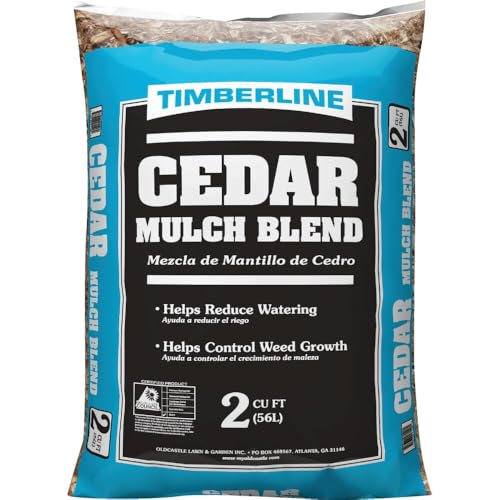
Gives any landscape a finished look and feel
How to Apply Leaf Mulch to Carrot Beds
So, you’re ready to apply leaf mulch to your carrot beds! Here’s how you can do it effortlessly:
- Prepare the Area: Before applying the mulch, ensure the carrot bed is free of weeds and the soil is adequately moist.
- Layering Technique: Start by placing a 2-3 inch layer of finely shredded leaf mulch around your carrot plants, keeping it a few inches away from the stems.
- Avoid Matted Mulch: Prevent matting by finely shredding the leaves, allowing for proper air circulation and water penetration.
- Monitor Moisture Levels: Check soil moisture periodically and adjust mulch thickness as needed to maintain optimal moisture levels.
- Replenish as Needed: Throughout the growing season, add more mulch to maintain a consistent layer and continue benefiting your carrot crop.
Considerations When Using Leaf Mulch for Carrots
When considering leaf mulch for your carrots, there are a few essential factors to keep in mind for optimal growth and yield.
- Moisture Levels: Proper moisture is crucial for carrot development. Leaf mulch helps retain moisture, reducing the need for frequent watering.
- Soil Temperature: Leaf mulch acts as a natural insulator, regulating soil temperature to create a stable environment for carrot roots.
- Weed Control: By forming a barrier, leaf mulch inhibits weed growth, reducing competition for nutrients and space.
To ensure successful application of leaf mulch for carrots:
- Mulch Depth: Aim for a 2-3 inch layer around carrot plants, leaving a few inches from stems to prevent rotting.
- Mulch Preparation: Properly shred the mulch to prevent matting, allowing for adequate air circulation and water penetration.
- Monitoring: Regularly check moisture levels under the mulch to adjust watering and prevent dry or waterlogged conditions.
- Replenishment: Throughout the growing season, replenish mulch as needed to maintain its benefits for the carrot crop.
Choosing the right type of leaf mulch for your carrots is crucial for their health and productivity. Selecting slow-decomposing options like oak, maple, or beech leaves can provide long-lasting benefits to your garden.
Best Practices for Using Leaf Mulch with Carrots
When it comes to using leaf mulch with carrots, there are some best practices to keep in mind to ensure optimal growth and yield for your plants.
- Layer Thickness: Aim to apply a 2-3 inch layer of finely shredded leaf mulch around your carrot plants. Be sure to keep it a few inches away from the stems to prevent rotting and allow air circulation.
- Mulch Type: Opt for slow-decomposing leaf mulch such as oak, maple, or beech leaves. These types provide long-lasting benefits by gradually breaking down and enriching the soil over time.
- Moisture Monitoring: Keep a close eye on moisture levels in the soil. Mulch helps with moisture retention, but it’s essential to check regularly and replenish mulch as needed throughout the growing season.
- Weed Control: One of the key benefits of leaf mulch is weed suppression. By applying a sufficient layer of mulch, you can help reduce weed growth around your carrot plants, allowing them to thrive without competing for resources.
- Seasonal Considerations: Remember to adjust your mulching practices based on the seasonal changes. In colder months, mulch can help regulate soil temperature, while in warmer months, it aids in keeping the soil cool and moist.
- Maintenance: As your carrots grow, ensure that the mulch remains intact and in place. Regularly check for any areas that may need additional mulch to maintain consistent coverage and benefits for your plants.
By following these best practices, you can harness the full potential of using leaf mulch with carrots in your garden.
Conclusion
You’ve learned about the benefits of using leaf mulch for carrots, including moisture retention, weed suppression, and soil enrichment. By following the recommended practices, such as applying a 2-3 inch layer, choosing slow-decomposing types, and monitoring moisture levels, you can support the growth and yield of your carrot plants. Remember to adjust mulching based on the season and maintain coverage as your carrots develop. With these tips in mind, you’re well-equipped to make the most of leaf mulch in your garden and enjoy healthy, thriving carrot crops.
Frequently Asked Questions
1. How can leaf mulch benefit carrots?
Leaf mulch benefits carrots by retaining moisture, suppressing weeds, and enriching the soil, leading to healthier plants and improved yield.
2. What are the best practices for using leaf mulch with carrots?
Best practices include applying a 2-3 inch layer around plants, choosing slow-decomposing types like oak or maple, monitoring moisture levels, controlling weeds, adjusting mulching based on seasons, and maintaining mulch coverage as carrots grow.
3. How can I optimize the growth and yield of my carrot plants with leaf mulch?
By following the recommended practices for using leaf mulch with carrots, you can optimize growth and yield by creating a conducive environment for healthy plant development in your garden.
