

Ever wondered if those vibrant orange carrots in your garden need as much sun as they soak up? Picture this: you diligently plant your carrots, eagerly awaiting a bountiful harvest, only to find them struggling to thrive. Could it be the sun’s fault?
Importance of Sunlight for Carrots
When it comes to carrots, sunlight plays a vital role in their growth and overall health.
Sunlight and Photosynthesis
Sunlight is essential for photosynthesis, the process where carrots convert light energy into food.
Adequate Sun Exposure
Ensure your carrots get 6-8 hours of sunlight daily for optimal growth.
Root Development
Sunlight helps carrots develop strong roots vital for nutrient absorption.
Harvest Quality
Well-exposed carrots tend to be sweeter and have a more vibrant color when harvested.
- Leggy growth indicates insufficient sunlight.
- Small, pale carrots may point to shading problems.
- Adjust by trimming nearby vegetation.
| Sunlight Needs for Carrots | Hours per Day |
|---|---|
| Minimum for Survival | 4-6 |
| Optimal Growth | 6-8 |
| Sun-Loving Varieties | 8+ |
Remember, adequate sunlight is key for healthy, flavorful carrots.
Ideal Sunlight Requirements for Carrots
- Carrots thrive in full sunlight, requiring 6-8 hours of direct sun each day for optimal growth.
- Insufficient sunlight can result in leggy growth and pale carrots, impacting the quality of your harvest.
- Different varieties of carrots may have varying sunlight requirements, so it’s essential to research the needs of the specific type you’re growing.
- If you notice signs of inadequate sunlight, such as leggy growth, consider trimming nearby vegetation to allow more sun to reach your carrots.
| Sunlight Requirements for Carrots |
|---|
| Carrots thrive in full sunlight, requiring 6-8 hours of direct sun daily. |
Signs of Carrots Lacking Sunlight
If carrots are not receiving enough sunlight, they may exhibit certain signs that indicate their need for more light. Here are some common signs that your carrots may be lacking in sunlight:
- Leggy Growth: Carrots that are reaching for more light can appear tall and spindly, with elongated stems and sparse foliage.
- Pale Color: Insufficient sunlight can result in pale, unhealthy-looking carrots that lack the vibrant orange hue typically associated with this veggie.
- Stunted Growth: Carrots deprived of adequate sunlight may experience slow growth and remain smaller in size than expected.
- Irregular Shape: Carrots grown in low light conditions may develop odd shapes or malformed roots due to the lack of uniform sunlight exposure.
- Fewer Leaves: A reduced number of leaves on a carrot plant can indicate that it’s not getting enough sunlight to support robust foliage growth.
- Delay in Maturity: Carrots struggling with sunlight deficiencies may take longer to mature, affecting the harvest timeline.
To ensure your carrots receive the optimal amount of sunlight, it’s vital to monitor them regularly for these signs and take steps to address any issues promptly.
Recommended Products

FULL SPECTRUM & NATURAL LIGHT: A19 full spectrum grow light appears 4000K white to eyes but has a red/blue light spectrum. Same as natural sun shine, perfect for tomatoes, cucumbers, peppers, leafy greens and herbs at all growth stages.
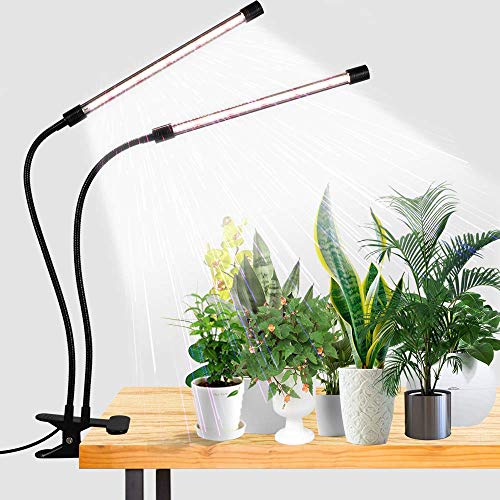
6000K White Light - equipped with 10 Red + 74 White LEDs, this growing Lamp is similar to the full-spectrum sunlight at noon,that is professionally designed for indoor garden plants.Moreover, its color rendering index is as high as 95, the light is soft and flicker-free, which is very suitable for reading lamp

LED Full Spectrum Grow Light: Ceiling Grow Light features 48 LED chips, including 33 white, 12 warm white, and 3 red LEDs, delivering a 380–800 nm full spectrum. Choose from Seedling Mode, Flowering Mode, and Full-Cycle Mode to provide supplemental light for different plants and growth stages.
How to Ensure Sufficient Sunlight for Carrots
To guarantee healthy growth for your carrots, you need to ensure they receive adequate sunlight. Here’s how you can make sure your carrots get the sun they need:
- Choose a Sunny Spot: Plant your carrots in a spot that receives full sunlight for at least 6 hours a day.
- Monitor Shade Patterns: Keep an eye on the area throughout the day to check for any shady spots that might develop.
- Rotate Plantings: If you notice parts of your garden are shadier than others, rotate your carrot plantings to ensure they all have a chance to bask in the sun.
- Trim Surrounding Plants: If nearby plants are blocking sunlight, consider trimming them back to allow more light to reach your carrots.
- Use Reflective Mulch: Reflective mulch can help direct sunlight onto your carrots, especially if they are planted in a partially shaded area.
- Consider Container Gardening: If your garden lacks sufficient sunlight, plant carrots in containers that can be moved to sunnier locations as needed.
| Important Fact | Data |
|---|---|
| Minimum sunlight needed | 6 hours a day |
| Benefits of reflective mulch | Directs sunlight onto plants |
Remember, proper sunlight exposure is crucial for vibrant, healthy carrots. Stay mindful of their sun needs for a bountiful harvest.
Conclusion
Ensuring your carrots receive adequate sunlight is key to their growth and development. By recognizing the signs of sunlight deficiency and implementing strategies like planting in sunny areas, monitoring shade patterns, and using reflective mulch, you can optimize sunlight exposure for your carrots. Remember, vibrant, healthy carrots and a successful harvest depend on providing them with the right amount of sunlight. Keep an eye on your carrot plants, make adjustments as needed, and enjoy the rewards of your efforts in the form of delicious, homegrown carrots. Happy gardening!
Frequently Asked Questions
What are the signs of carrots lacking sunlight?
Carrots lacking sunlight may exhibit leggy growth, pale color, stunted growth, irregular shape, fewer leaves, and delayed maturity.
How can I ensure my carrots get enough sunlight?
Plant carrots in sunny spots for at least 6 hours a day, monitor shade patterns, rotate plantings, trim surrounding plants, use reflective mulch, and consider container gardening.
What is the minimum sunlight needed for carrots?
Carrots require a minimum of 6 hours of sunlight daily to thrive and develop properly.
What are the benefits of using reflective mulch for carrots?
Reflective mulch helps direct sunlight onto plants, maximizing their exposure to sunlight for optimal growth and development.
