

Ever wondered how to grow juicy, homegrown carrots right in your own backyard? Picture this: you’re at the grocery store, eyeing those bland, mass-produced carrots, and you think, “There must be a better way.” Well, you’re in luck because we’ve got the secrets to planting the tastiest carrots that will have you saying goodbye to store-bought ones for good!
Selecting the Right Variety of Carrots
When choosing carrot varieties for your garden, consider factors like soil type, climate, and growing conditions.
Here are some popular carrot types to get you started:
- Nantes: Sweet and coreless, ideal for heavy or rocky soil.
- Chantenay: A shorter variety great for clay soil, known for its sweet flavor.
- Imperator: Long and straight, suitable for deep, loose soil.
- Danvers: Excellent for heavy soil, known for its good yields.
To ensure a successful harvest, choose a variety that matches your local growing conditions.
Choosing the Perfect Planting Location
When selecting a spot for planting your carrots, consider the following factors:
- Sunlight: Plant in a location that receives full sunlight for at least 6 hours a day.
- Soil Type: Choose a well-draining soil to prevent rot and ensure good root development. Sandy loam soils are ideal for carrots.
- pH Level: Carrots prefer a slightly acidic to neutral soil pH level between 6.0 and 7.0.
- Space: Make sure there is enough space for the carrots to grow deep, at least 12 inches in loose soil to allow room for root growth.
For best results, prepare the soil by mixing in compost or aged manure before planting to provide essential nutrients.
Preparing the Soil for Planting Carrots
When it comes to planting carrots, getting the soil just right is crucial for a successful harvest. Here’s how you can prepare the perfect planting environment for your home garden:
- Clear the Area: Begin by clearing the planting area of any debris, rocks, or weeds. Carrots prefer loose, well-draining soil to develop properly.
- Test the Soil: It’s a good idea to test the soil’s pH level before planting. Carrots thrive in slightly acidic soil, ideally with a pH level between 6.0 and 7.0.
- Improve Soil Structure: If your soil is compacted, consider adding compost or aged manure to improve its structure. This will help with drainage and provide nutrients for healthy carrot growth.
- Loosen the Soil: Carrots need soft soil to grow straight and unobstructed. Use a hoe or tiller to loosen the soil to a depth of at least 12 inches to allow for proper root development.
- Avoid Fresh Manure: When amending the soil, avoid using fresh manure as it can cause carrots to develop forked or twisted roots. Opt for well-aged manure for better results.
By taking the time to prepare the soil properly before planting, you’ll give your carrots the best possible start and set the stage for a bountiful harvest.
Planting Carrot Seeds or Seedlings
When it comes to Planting Carrot Seeds or Seedlings, there are a few key steps to keep in mind:
- Seed Depth: Plant carrot seeds about 1/4 to 1/2 inch deep in loose soil to allow for proper root growth.
- Spacing: Ensure seeds are spaced at least 1-2 inches apart to prevent crowding and promote healthy development.
- Germination: Carrot seeds can take 1-3 weeks to germinate, so be patient during this process.
- Thinning: Once seedlings are a few inches tall, thin them out to about 3-4 inches apart to give each carrot room to grow.
Here are some practical tips for successful planting:
- Watering: Keep the soil consistently moist but not waterlogged to support seed germination and growth.
- Weeding: Regularly weed the area around carrot plants to prevent competition for nutrients and space.
- Fertilizing: Avoid using nitrogen-rich fertilizer, as it can cause carrots to fork.
- Mulching: Consider mulching around plants to retain moisture and suppress weed growth.
Caring for Your Carrot Plants
Now that you’ve successfully planted your carrot seeds, it’s time to focus on Caring for Your Carrot Plants to ensure a bountiful harvest. Here are some essential tips to help you nurture your carrot crop:
- Watering: Keep the soil consistently moist but not waterlogged. Carrots need about an inch of water per week. Overwatering can cause the roots to split, affecting the quality of your harvest.
- Thinning: Once the carrot seedlings have grown a few inches tall, thin them out to ensure proper spacing. Crowded plants can lead to small, stunted carrots. Aim for 1-4 inches of space between each plant.
- Weeding: Regularly remove weeds around your carrot plants. Weeds compete for nutrients and water, impacting the growth of your carrots. Mulching can help suppress weeds and retain soil moisture.
- Fertilizing: Avoid using nitrogen-rich fertilizers on your carrot plants. Too much nitrogen can cause the roots to fork or become hairy. Opt for a balanced fertilizer to support healthy growth.
- Pest Management: Keep an eye out for common carrot pests like carrot flies. Consider using row covers to protect your plants. Rotate your crops yearly to reduce pest infestations.
- Harvesting: When your carrot tops reach about ¾ of an inch in diameter, it’s time to harvest. Gently pull the carrots out of the ground, being careful not to damage the roots.
Recommended Products
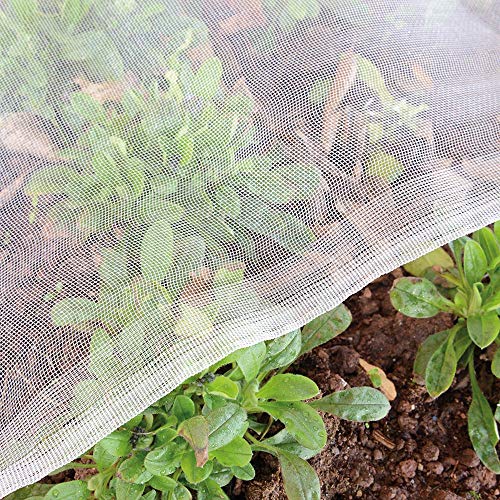
🥬Effective Bug Barrier: Protecting plants and vegetables from a wide range of pest insects and animals, such as cicadas, carrot fly and many species of aphids, you will get a healthier and happier garden
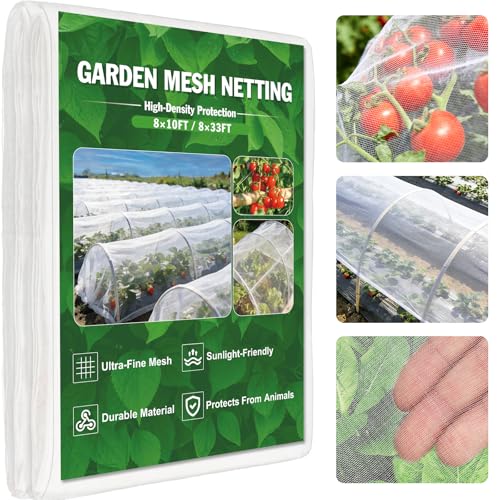
【Upgraded Fine Mesh Netting】This fine mesh garden netting uses 0.7*0.8mm high-density garden insect netting to block, birds, and small animals, offering reliable plant protection netting for vegetables and flowers

Harvesting Your Homegrown Carrots
Harvesting your homegrown carrots is an exciting and rewarding experience after all the hard work you’ve put into growing them. So, how do you know when they’re ready to be picked? Carrots are typically ready for harvest 60-80 days after planting, depending on the variety. Here’s how you can ensure a successful carrot harvest:
- Inspect the Size: Check the diameter of the carrot tops; they should be about 1/2-3/4 inches in diameter when it’s time to harvest.
- Loosen the Soil: Before pulling them out, gently loosen the soil around the carrots to make harvesting easier and avoid breaking them.
- Grab and Pull: Grasp the carrot as close to the root as possible and pull it out with a firm, steady motion.
- Trim the Tops: Once harvested, trim off the leafy green tops but leave about an inch to help the carrots stay fresh longer.
- Storage: Store your harvested carrots in a cool, dark place with good ventilation to maintain their freshness. You can store them in the refrigerator or in a root cellar.
Conclusion
You’ve learned the key steps to successfully grow your own delicious carrots. By focusing on soil preparation, proper planting techniques, and attentive care throughout the growing process, you’re on your way to a bountiful harvest. Remember to water diligently, thin seedlings when necessary, keep weeds at bay, fertilize appropriately, and address any pests that may come your way. When it’s time to harvest, pay attention to the size, gently pull them from the soil, trim the tops, and store them correctly for lasting freshness. With these practices in mind, you’re set to enjoy the satisfaction of homegrown carrots straight from your garden. Happy gardening!
Frequently Asked Questions
1. What are the key factors highlighted in the article for a successful carrot harvest?
Proper soil preparation, planting methods, and attentive care for carrot plants are crucial for a successful harvest.
2. How can I ensure healthy growth for my carrot plants?
Consistent watering, thinning seedlings to avoid overcrowding, timely weeding, and appropriate fertilization support healthy growth.
3. What tips does the article offer for managing pests in carrot plants?
Implementing pest management strategies like companion planting or using organic pest control methods can effectively protect carrot plants.
4. How do I know when my carrots are ready to harvest?
Check the size of the carrots to determine readiness for harvest and then carefully loosen the soil before pulling them out.
5. What steps should I follow after harvesting carrots from my garden?
Trim the tops of the carrots and store them correctly to maintain their freshness and quality for an extended period.
