Close Menu
    Veggie Knowledge
    • Home
    • Growing Vegetables
      • Beets
      • Broccoli
      • Carrots
      • Cucumber
      • Green Beans
    • Tips and Advice
    • Free eBook
    • About
      • Contact
      • Privacy Policy
    Veggie Knowledge
    Home»Carrots»How to Grow Carrots in Ontario: Harvesting and Storing Tips
    Carrots

    How to Grow Carrots in Ontario: Harvesting and Storing Tips

    Lucy StoneBy Lucy StoneJune 9, 20245 Mins Read
    Facebook Twitter Pinterest LinkedIn Tumblr WhatsApp VKontakte Email
    Share
    Facebook Twitter LinkedIn Pinterest Email

    Ever wondered how to grow vibrant, crunchy carrots right in your Ontario backyard? Imagine stepping outside and plucking fresh, homegrown carrots for your next meal. Picture the satisfaction of cultivating your own produce, knowing exactly where it comes from. In this article, you’ll uncover the secrets to successfully growing carrots in Ontario’s unique climate.

    Contents show
    1 Soil Preparation for Carrots
    2 Choosing the Right Carrot Varieties for Ontario
    3 Planting Carrots in Ontario’s Climate
    4 Watering and Maintaining Carrot Plants
    5 Harvesting and Storing Your Homegrown Carrots
    6 Conclusion
    7 Frequently Asked Questions
    7.1 Q: How should I harvest homegrown carrots?
    7.2 Q: How should I store homegrown carrots?
    7.3 Q: What are the options for storing homegrown carrots?
    7.4 Q: Why is proper harvesting and storing of homegrown carrots important?

    Have you ever bought carrots from the store only to find them lacking in flavor and freshness? You’re not alone. Many face this common dilemma, but fret not – with a little guidance, you can transform your garden into a carrot haven. Discover the joys of harvesting your own organic carrots, bursting with flavor and nutrients. Get ready to elevate your culinary creations with homegrown goodness.

    Soil Preparation for Carrots

    Preparing the soil is crucial for successful carrot growth. Here are some key steps to ensure your carrots thrive in your Ontario backyard:

    • Choose Well-Draining Soil: Carrots prefer sandy or loamy soil to prevent rotting and ensure proper root development.
    • Loosen the Soil: Before planting, ensure the soil is loose and free of rocks or compacted areas to encourage straight, uniform carrots.
    • Amend with Compost: Enhance soil fertility by mixing in compost for added nutrients and improved soil structure.
    • Avoid Fresh Manure: Refrain from using fresh manure, as it can cause forked or stunted carrots; opt for well-aged manure instead.
    • Test Soil pH: Carrots thrive in slightly acidic to neutral soil (pH 6.0-7.0); consider testing and adjusting pH levels if needed.

    With these soil preparation tips, you’ll set the foundation for a bountiful carrot harvest in your Ontario garden.

    Choosing the Right Carrot Varieties for Ontario

    When deciding on carrot varieties to grow in your Ontario garden, consider factors such as climate suitability and overall growth requirements. Here are some key points to keep in mind:

    • Nantes: Ideal for Ontario’s climate with its crisp texture and sweet flavor.
    • Chantenay: Excellent for heavy or shallow soils, known for their tapered shape.
    • Danvers: Well-suited for clay soils, producing robust, uniform roots.
    • Imperator: Best for deep, loose soils where they can develop their long, straight shape.

    Choosing the right carrot variety based on your local conditions can significantly impact the success of your harvest.

    MUST READ:  Growing Carrots in Your Tower Garden: Soil Tips, Harvesting Process Explained

    Recommended Products

    Sow Right Seeds - Scarlet Nantes Carrot Seed for Planting - Non-GMO Heirloom Packet with Instructions to Plant a Home Vegetable Garden - Indoors or Outdoor - Sweet and Vibrant Variety (1)
    Sow Right Seeds - Scarlet Nantes Carrot Seed for Planting - Non-GMO Heirloom Packet with Instructions to Plant a Home Vegetable Garden - Indoors or Outdoor - Sweet and Vibrant Variety (1)

    Beautiful - Full color packet of Scarlet Nantes Carrot (Daucus var. 'Scarlet Nantes') Seed. Bright red-orange, fine-grained brittle flesh that is nearly coreless with a fine very sweet flavor. Colors up early for little mini baby carrots. Minimum of 800 mg per packet (about 450 seeds).

    VIEW LATEST PRICE

    As an affiliate, we earn on qualifying purchases.

    Organic Carrot Seeds (Scarlet Nantes) - Approx 1500 Seeds - USDA Organic, Non-GMO, Open Pollinated, Heirloom, USA Origin
    Organic Carrot Seeds (Scarlet Nantes) - Approx 1500 Seeds - USDA Organic, Non-GMO, Open Pollinated, Heirloom, USA Origin

    Daucus Carota Sub. Sativus: These finest quality, non-GMO, organic Scarlet Nantes Carrot seeds produce sweet, red-orange carrots with a big crunch. Coreless with fine-grained flesh, they’re ideal for juicing, snacking and cooking.

    VIEW LATEST PRICE

    As an affiliate, we earn on qualifying purchases.

    PLANTMEW 3000 Scarlet Nantes Carrot Seeds for Planting - Heirloom Variety, Fast Growing Vegetable Seeds for for Home Garden & Container Planting
    PLANTMEW 3000 Scarlet Nantes Carrot Seeds for Planting - Heirloom Variety, Fast Growing Vegetable Seeds for for Home Garden & Container Planting

    Trusted Quality - We provide premium Scarlet Nantes carrot seeds - an open-pollinated heirloom variety with high germination rates. Each seed is rigorously tested to ensure reliable sprouting, allowing you to cultivate a healthy, rewarding carrot harvest season after season.

    VIEW LATEST PRICE

    As an affiliate, we earn on qualifying purchases.

    Planting Carrots in Ontario’s Climate

    When planting carrots in Ontario, consider the climate to ensure optimal growth. Here are some factors to keep in mind:

    • Temperature: Carrots thrive in cool temperatures between 60-70°F.
    • Frost Tolerance: Opt for varieties like Imperator that can endure frosts.
    • Season: Plant seeds in early spring or late summer for best results.

    To succeed in growing carrots in Ontario, make sure to align your planting with the region’s climate requirements.

    Watering and Maintaining Carrot Plants

    To ensure successful carrot growth in Ontario, proper watering and maintenance are essential. Here are some tips to help you cultivate healthy carrot plants:

    • Consistent watering: Carrots need even moisture to thrive. Water them regularly, especially during dry spells, but avoid overwatering to prevent rot.
    • Mulching: Apply a layer of mulch around your carrot plants to retain moisture in the soil, inhibit weed growth, and provide some protection from temperature fluctuations.
    • Weeding: Keep your carrot patch weed-free. Weeds compete with carrots for nutrients and water, affecting their growth. Regular weeding is key to maintaining plant health.
    • Thinning: Thinning out carrot seedlings is crucial to allow enough space for the roots to develop properly. Aim for a spacing of about 2-3 inches between plants.
    • Fertilizing: Avoid excessive use of nitrogen-rich fertilizers as this can result in forked or hairy carrots. Opt for a balanced fertilizer or compost for healthier growth.
    • Pest management: Keep an eye out for common pests like carrot flies and aphids. Use organic pest control methods to protect your carrot plants without harmful chemicals.
    MUST READ:  Optimal Carrot Thinning: A Guide for Successful Harvests

    Watering:Regular and even moisture is essential. Avoid overwatering.
    Mulching:Helps retain moisture, suppress weeds, and regulate soil temperature.
    Weeding:Keep your carrot patch free from weeds to prevent competition.
    Thinning:Aim for a spacing of 2-3 inches between carrot plants for optimal growth.
    Fertilizing:Use balanced fertilizers or compost to avoid deformities in carrots.
    Pest Management:Monitor for pests and use organic methods to protect your plants.

    Recommended Products

    Garden Guru Patio Crack Weeder Tool with Ergonomic Handle – Stainless Steel Weed Puller for Patio Sidewalk Driveway Cracks | Rust Resistant
    Garden Guru Patio Crack Weeder Tool with Ergonomic Handle – Stainless Steel Weed Puller for Patio Sidewalk Driveway Cracks | Rust Resistant

    Get the entire root without needing to dig wide holes! This handheld weeder is great for removing pesky weeds and thistles from your patio, sidewalk, and driveway. Stainless Steel with L-shaped head and ergonomic handle.

    VIEW LATEST PRICE

    As an affiliate, we earn on qualifying purchases.

    WORKPRO Hand Weeder Puller, 5-in-1 Stainless Steel Garden Trowel with Soft Handle, Gardening Weeding Tool for Easy Weeder Removal, Planting, Weeding, Flower & Vegetable Care in Garden Lawn Yard
    WORKPRO Hand Weeder Puller, 5-in-1 Stainless Steel Garden Trowel with Soft Handle, Gardening Weeding Tool for Easy Weeder Removal, Planting, Weeding, Flower & Vegetable Care in Garden Lawn Yard

    5-IN-1 Garden Weeding Trowel: This garden hand weeding tool is specially designed with a fork head. At the front end, can be used for pulling out weeds and deep digging. Serrated & Scraping Blade edges on both sides make weeding out grass and weeds easy. The depth mark ruler is easy to plant and transplant. The cutting notch may also be used to open bottles and cut lines, twine, and plant ties

    VIEW LATEST PRICE

    As an affiliate, we earn on qualifying purchases.

    Stainless Steel Deep Root Tree Watering Tool,Root Feeder with Fertilizer Bottle Watering Wand Irrigation System Watering Stake,for Trees Bushes Shrubs Fruit Trees with Brass Valve T-Handle
    Stainless Steel Deep Root Tree Watering Tool,Root Feeder with Fertilizer Bottle Watering Wand Irrigation System Watering Stake,for Trees Bushes Shrubs Fruit Trees with Brass Valve T-Handle

    【Unique Design Deep Root Tree Watering Tool】 Our root watering tool have four exit hole for the water,won't got clogged easily,It made of stainless steel,not rusting from the inside out.It can leave in the soil and is strong enough to drive through gravel,help your plants build a strong root system .

    VIEW LATEST PRICE

    As an affiliate, we earn on qualifying purchases.

    Harvesting and Storing Your Homegrown Carrots

    Once your carrots have reached their peak maturity, it’s time to harvest and store them for future enjoyment! Here are some essential steps to follow:

    • Harvesting Carrots: Gently loosen the soil around the carrots with a garden fork, and pull them out by grasping the foliage near the top. Avoid damaging the delicate roots during this process.
    • Storing Carrots: Before storing, carefully remove any excess soil on the roots without washing them. Trim the foliage to about an inch above the carrot crown. Then, store your carrots in a cool, humid place to prevent wilting.
    • Options for Storage: You can store carrots in the refrigerator in a perforated plastic bag to retain moisture. Alternatively, consider storing them in damp sand or sawdust in a root cellar for a longer shelf life.
    MUST READ:  How to Sprout Carrot Seeds Successfully: A Step-by-Step Guide

    Recommended Products

    Carrot Shaped Treat Bags,100Pcs 7.9x16In Easter Cone Cellophane Gift Bags Easter Plastic Triangle Cello Bags Orange Carrot Bags for Treat with Twist Ties for Cookies Candy Party Favor Supplies
    Carrot Shaped Treat Bags,100Pcs 7.9x16In Easter Cone Cellophane Gift Bags Easter Plastic Triangle Cello Bags Orange Carrot Bags for Treat with Twist Ties for Cookies Candy Party Favor Supplies

    Premium Material: These carrot-shaped treat bags with ties are made of high-quality plastic, ensuring they are safe, durable, and easy to use. The smooth surface makes these cone-shaped treat bags convenient for filling or removing treats, while their lightweight design is perfect for kids to handle with their small hands. These carrot cellophane treat bags are both practical and fun, making them ideal for Easter celebrations, birthdays, or any festive occasion.

    VIEW LATEST PRICE

    As an affiliate, we earn on qualifying purchases.

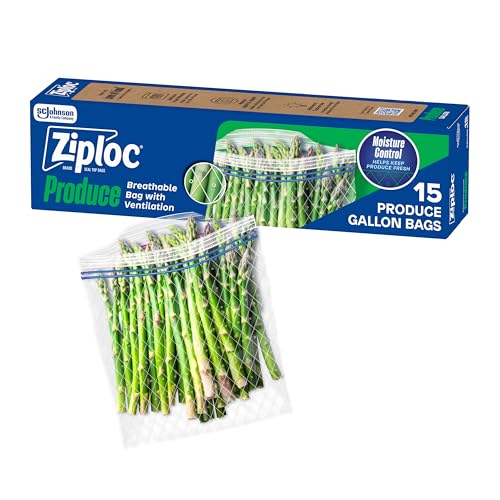
    14" X 20" Plastic Produce Bag on a Roll, Clear Food Storage Bags for Bread Fruits Vegetable, 350 Bags/Roll
    14" X 20" Plastic Produce Bag on a Roll, Clear Food Storage Bags for Bread Fruits Vegetable, 350 Bags/Roll

    Size: 14" X 20"

    VIEW LATEST PRICE

    As an affiliate, we earn on qualifying purchases.

    50PCS Carrot Snack bags with Ties Easter Cone Shaped Cellophane Bags for Treats Candy Popcorn Cookie Goodie Goody Gift Wrap Spring Easter Party Favors Supplies Decorations Holiday Baggies Pouch
    50PCS Carrot Snack bags with Ties Easter Cone Shaped Cellophane Bags for Treats Candy Popcorn Cookie Goodie Goody Gift Wrap Spring Easter Party Favors Supplies Decorations Holiday Baggies Pouch

    Packaging: You will receive 50PCS Easter cone-shaped treat bags with gold ties. The size of the gift bags is 7.8x13 inches

    VIEW LATEST PRICE

    As an affiliate, we earn on qualifying purchases.

    Conclusion

    That’s it! You now have all the knowledge you need to successfully grow and care for your own carrots in Ontario. Remember to harvest gently and store them properly to enjoy their freshness for longer. Happy gardening!

    Frequently Asked Questions

    Q: How should I harvest homegrown carrots?

    A: Gently loosen the soil around the carrots and pull them out without damaging the roots.

    Q: How should I store homegrown carrots?

    A: Remove excess soil, trim the foliage, and store in a cool, humid place to prevent wilting.

    Q: What are the options for storing homegrown carrots?

    A: Use a perforated plastic bag in the fridge or store in damp sand/sawdust in a root cellar for extended shelf life.

    Q: Why is proper harvesting and storing of homegrown carrots important?

    A: Essential for preserving the quality of freshly harvested carrots for future consumption.

    Share. Facebook Twitter Pinterest LinkedIn Tumblr WhatsApp Email
    Previous ArticleWhen to Harvest Sugar Beets for Maximum Yield: Key Strategies Revealed
    Next Article Maximize Carrot Yields: Top Tips for Garden Success
    lucy stone
    Lucy Stone

      Hi, I'm Lucy! As a passionate gardener and writer for Veggie Knowledge, I've dedicated my life to exploring the secrets of successful vegetable growing. My love for gardening blossomed in my grandmother's backyard, where I learned how much joy a single plant can bring. I aim to share that joy through practical tips and insightful advice, helping you cultivate your own thriving garden

      Related Posts

      5 Effective Organic Fertilizers for Growing Carrots: A Complete Guide

      July 9, 2024

      How to Cultivate Prize-Worthy Giant Carrots: Pest Control Tips Included

      July 9, 2024

      Why You See White Spots on Carrot Leaves and How to Prevent Them

      July 9, 2024

      How to Harvest and Enjoy Perfect Carrots from Your Vertical Garden

      July 9, 2024
      Leave A Reply Cancel Reply

      Affiliate Disclosure

      As an Amazon Associate, I earn from qualifying purchases.

      Recommended Reading

      How to Grow a Green Onion: Simple Homeowner Hack for Success

      Growing Vegetables

      How to Grow Japanese Garlic: Professional Finish at Home

      Growing Vegetables

      How to Grow Lettuce Hydroponically: The Most Efficient Method

      Growing Vegetables

      How Does My Garden Grow? Master the Basics for Success

      Growing Vegetables

      How to Grow Potatoes in Containers: Pro Secrets Revealed

      Growing Vegetables

      Planting Basil: How to Grow for a Bountiful Harvest

      Growing Vegetables

      How to Grow Potatoes From Store Bought Ones: Simple DIY Hack

      Growing Vegetables

      How to Grow Green Beans (Everything You Need to Know)

      Growing Vegetables
      How VeggieKnowledge.com Got Started

      We started this website to share our love of vegetables with the world, and to help people discover the many benefits of growing, cooking, and eating fresh and delicious vegetables.

      Got questions or comments? You can reach us at [email protected].

      Featured Articles

      10 Common Gardening Mistakes (and How to Avoid Them)

      How Much Sun Do Vegetables Really Need?

      Beginner’s Guide to Growing Vegetables: What to Know Before You Start

      Watering 101: How to Keep Your Plants Happy and Healthy

      The Best Vegetables for First-Time Gardeners

      Categories
      • Beets
      • Broccoli
      • Carrots
      • Cucumber
      • Green Beans
      • Tips and Advice
      Veggie Knowledge
      • Home
      • About
      • Contact
      • Privacy Policy
      • Affiliate Disclosure
      • Free eBook
      © 2026 Veggie Knowledge

      Type above and press Enter to search. Press Esc to cancel.