

Ever wondered if your carrots are getting enough water? Picture this: you diligently plant your carrot seeds, eagerly awaiting a bountiful harvest, only to find your carrots looking a bit wilted. Are you watering them enough? In this article, we’ll delve into the world of carrot care and answer the age-old question: do carrots really need watering?
You’re not alone in your quest for thriving carrots. By understanding the watering needs of your carrots, you’ll be equipped to nurture them to their full potential. Stay tuned as we uncover the secrets to keeping your carrots happy and hydrated, ensuring a vibrant and delicious harvest in your own backyard.
Understanding Carrot Watering Needs
Whether you’re a seasoned gardener or new to growing carrots, grasping their watering requirements is crucial for a thriving harvest. Underwatering can lead to stunted growth and bitter-tasting carrots, while overwatering may cause rot and poor development.
Factors influencing carrot watering needs:
- Soil type and drainage
- Weather conditions
- Stage of growth
Signs that your carrots need watering:
- Wilting leaves
- Shriveled appearance
- Dry soil around the roots
Best practices for watering carrots:
- Consistent watering: Aim for an inch of water per week.
- Deep watering: Ensure the water reaches at least 6-8 inches below the soil surface.
- Mulching: Helps retain soil moisture and reduces evaporation.
Helpful Watering Tips
- Frequent light watering can result in shallow root systems. Opt for less frequent, deep watering sessions to encourage root growth.
- Use a moisture meter: Handy tool to gauge soil moisture levels and decide when to water.
Signs of Underwatered Carrots
When carrots don’t receive enough water, they show clear signs that can help you address the issue promptly:
- Stunted Growth: Carrots struggling from underwatering tend to grow slower than usual.
- Wilting Leaves: The leaves of underwatered carrots may appear droopy or withered.
- Dry Soil: Check the soil around your carrots – if it feels dry to the touch, they likely need more water.
- Bitter Taste: Underwatered carrots can develop a bitter taste due to the lack of moisture.
Overwatering Risks for Carrots
When caring for your carrots, it’s crucial to understand the risks associated with overwatering. Excessive watering can lead to detrimental effects on your carrot crop. Here’s what you need to know:
- Root Rot: Too much water can drown the roots, causing them to rot and impairing your carrot plants’ ability to absorb nutrients.
- Stunted Growth: Overwatering can stunt the growth of your carrots, leading to smaller and less flavorful produce.
- Fungal Diseases: Wet conditions create an environment where fungal diseases thrive, putting your carrots at risk of infections that can devastate your entire crop.
To effectively care for your carrots, it’s essential to strike the right balance and ensure they receive adequate, but not excessive, water to flourish.
Recommended Products

Trusted Since 2015: Become one of the many plant lovers who rely on the proven accuracy of XLUX. Established in 2015, our soil moisture meter has earned over 60,000+ verified ratings for its consistent performance. While many many newer brands come and go, we provide the long-term reliability and quality that American households have trusted for over a decade.
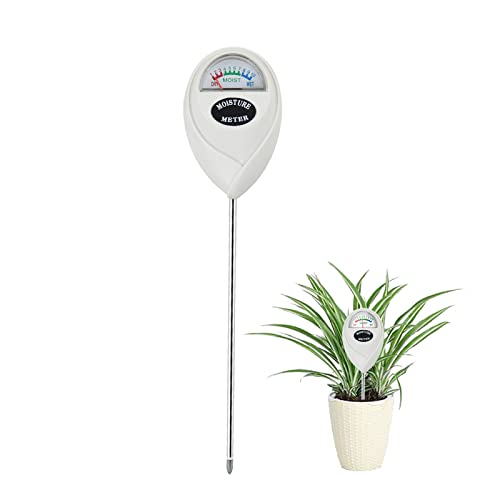
【SAVE YOUR PLANTS】: Over watering can cause problems with your plants or even kill them. This soil moisture meter helps you know the soil is dry, moist or wet.No more over watering!

Accurate Soil Moisture Detection: The XLUX Soil Moisture Meter can tell you if the soil deep inside your pot or garden is dry, moist or wet; whereas your eyes and fingers can only determine the moisture level of the soil surface. The probe is 5.5 inches (14 cm) longer than regular styles, allowing it to measure the soil moisture at the bottom of larger and deeper flower pots.
Best Practices for Watering Carrots
When it comes to watering carrots, there are a few best practices to keep in mind to ensure the healthy growth of your crop:
- Consistent Moisture: Carrots prefer even moisture levels in the soil. Aim to keep the soil consistently moist but not waterlogged to avoid problems like root rot.
- Deep Watering: When you do water your carrots, make sure to water deeply. This encourages the carrots’ roots to grow downward, leading to better absorption of nutrients.
- Mulching: Consider mulching around your carrot plants. Mulch helps retain soil moisture, preventing rapid evaporation, and also acts as a barrier against weeds.
- Morning Watering: Watering in the morning allows the foliage to dry throughout the day, reducing the risk of fungal diseases that thrive in damp conditions.
- Check the Soil: Before watering, check the soil moisture level by sticking your finger into the soil. If it feels dry an inch or two below the surface, it’s time to water.
Remember, finding the right balance in watering is key to growing healthy, flavorful carrots.
Conclusion
Ensuring your carrots receive adequate watering is key to their successful growth. Remember to maintain consistent moisture levels in the soil, opt for deep watering to promote strong root development, and consider mulching to retain moisture and keep weeds at bay. Water your carrots in the morning to minimize fungal disease risks, and always check the soil moisture before watering. By finding the right balance in watering, you’ll be on your way to cultivating delicious and healthy carrots in your garden. Happy gardening!
Frequently Asked Questions
How often should I water my carrots?
Carrots prefer consistent moisture, so aim to water them deeply once or twice a week, depending on weather conditions.
Why is deep watering important for carrot plants?
Deep watering encourages carrot roots to grow deeper into the soil, promoting strong and healthy plant development.
Is mulching necessary for carrot plants?
Mulching is beneficial as it helps retain moisture in the soil, regulates temperature, and prevents weed growth around carrot plants.
When is the best time to water carrots?
It’s best to water carrots in the morning to allow foliage to dry quickly and reduce the risk of fungal diseases.
Why is checking soil moisture before watering important?
Checking soil moisture helps you avoid overwatering or underwatering, ensuring that carrot plants receive the right amount of water for optimal growth.
