

Wondering when to get those carrot seeds in the ground? Picture this: you eagerly plant your carrot seeds, only to find them struggling to grow. Frustrating, right? In this article, you’ll discover the best time to plant carrots, ensuring a bountiful harvest in your garden.
Have you ever wished for plump, vibrant carrots straight from your own backyard? By knowing the ideal planting time, you’ll set yourself up for success. Let’s dive in and uncover the secrets to growing delicious carrots that will have your neighbors green with envy.
Understanding Carrot Growth
When it comes to carrot growth, timing is crucial. Carrots prefer cooler temperatures for germination, typically between 60-70°F (15-21°C). Planting carrots in late summer or early fall allows them to thrive as the weather cools down.
Carrots are biennial, meaning they usually produce flowers and seeds in the second year. However, most gardeners harvest them in the first year when the roots are at their peak flavor and quality.
Ideal Conditions for Carrot Growth
Carrots thrive in loose, well-draining soil. Ensure the soil is free of stones or debris that could cause the roots to fork or become misshapen.
Carrots need consistently moist soil for optimal growth. Water deeply, especially during dry periods, to encourage long, straight roots.
Germination and Early Care
Carrot seeds can take 1-3 weeks to germinate. To speed up germination, keep the soil consistently moist by watering lightly every day.
Thin out seedlings to ensure they have enough space to grow. Leave 2-4 inches between each plant to allow room for the roots to develop properly.
Additional Tips for Success
- Consider using row covers to protect young seedlings from pests and harsh weather.
- Mulch around the plants to help retain moisture in the soil and suppress weed growth.
- Rotate carrot planting locations yearly to prevent soil-borne diseases and pests.
Recommended Products
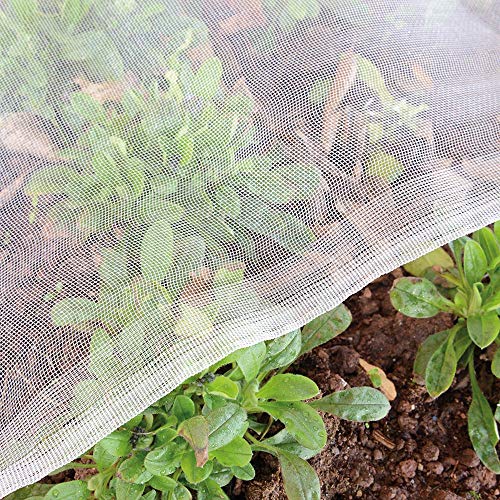
🥬Effective Bug Barrier: Protecting plants and vegetables from a wide range of pest insects and animals, such as cicadas, carrot fly and many species of aphids, you will get a healthier and happier garden
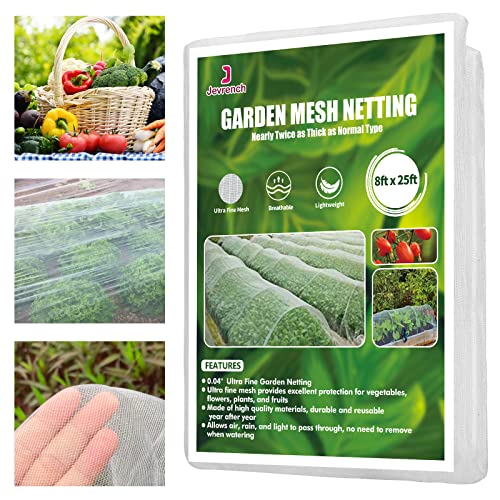
Defend Against Unwanted Visitors: Gardening is a rewarding and fulfilling endeavor, and you'll watch your plants grow from nothing to maturity before you finally harvest them. Once the plants begin to flower and bear fruit, these unwelcome visitors visit your garden and often leave a trail of destruction. Garden netting is the best choice for protecting your plants

Our Advantages: Each piece of our elevated planter cover set measures 35.4'‘ x 35.4’' x 19.8''. With zippered openings on both the sides and top, it effectively addresses poor ventilation. The double-layer design provides insulation in winter and allows for ventilation in spring. The bottom of the planter cover set features additional ground-anchoring holes to enhance stability.
Factors to Consider for Planting Carrots
When deciding on the best time to plant carrots, there are several factors to consider to ensure successful cultivation.
Soil Temperature: Carrots thrive in cooler temperatures, so it’s essential to plant them when the soil has warmed to at least 50°F to promote germination.
Time of Year: The optimal time to plant carrots is in late summer or early fall, allowing them to mature before the first frost in regions with colder winters.
Sunlight: Carrots require full sun exposure for at least 6 hours a day. Choose a planting location that receives adequate sunlight for optimal growth.
Soil Quality: Ensure the soil is loose and well-draining to prevent stunted or misshapen carrots. Consider amending the soil with compost for added nutrients.
Moisture: Carrots need consistent moisture during germination and growth. Keep the soil evenly moist but not waterlogged to avoid rotting the seeds.
Spacing: Properly space out carrot seeds or seedlings to prevent overcrowding, allowing each plant room to develop a healthy root system.
Pest and Disease Prevention: Consider using row covers to protect young seedlings, mulching to retain moisture and deter weeds, and rotating planting locations yearly to prevent buildup of pests and diseases.
By considering these factors, you can optimize the planting conditions and set your carrots up for a successful growth cycle.
Best Seasons for Planting Carrots
When it comes to planting carrots, timing is everything. Choosing the right season can greatly impact your carrot yield. Here are some key points to consider for the best seasons to plant carrots:
- Spring: It’s a popular time to plant carrots, with milder temperatures favoring seed germination. Make sure to plant early to avoid the summer heat that can cause carrots to become woody.
- Late Summer: Planting in late summer allows carrots to mature before winter frosts hit. The cool weather helps carrots develop a sweet flavor and a crisp texture.
- Early Fall: Another optimal time to plant carrots, early fall provides enough time for carrots to grow before winter sets in. Ensure the soil is well-prepped and free of weeds for successful growth.
Each season has its advantages for planting carrots. Consider factors such as temperature, weather conditions, and growing time when deciding the best season to start your carrot crop.
Sowing Carrot Seeds the Right Way
When it comes to sowing carrot seeds, there are a few key things to keep in mind to ensure a successful harvest. Here are some tips to help you sow your carrot seeds the right way:
- Prepare the soil: Make sure the soil is loose and free of rocks for optimal root development.
- Sow shallowly: Plant the seeds about a quarter to a half-inch deep for best results.
- Spacing matters: Carrot seeds need to be spaced properly to allow room for the roots to grow. Aim for about 2-3 inches between seeds.
- Keep the soil moist: Carrot seeds need consistent moisture to germinate, so be sure to water regularly.
- Thin out seedlings: Once the seedlings emerge, thin them out to prevent overcrowding and promote healthy growth.
Recommended Products

High-quality, durable and convenient design: This seed planter set is made of high-quality plastic material, which is lightweight and durable. And with a unique reusable design, saving you costs and making it a reliable partner in your gardening journey.
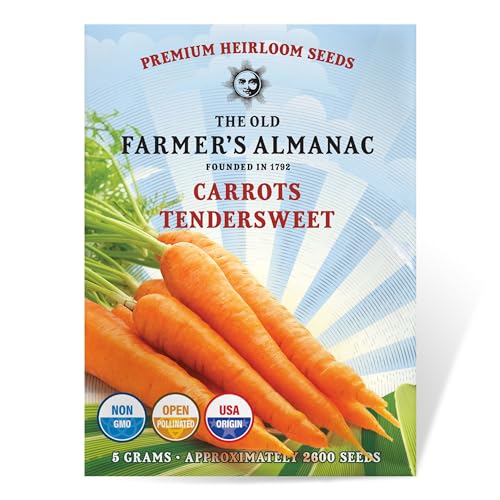
Premium Seeds: Tendersweet heirloom carrot variety offering approximately 2600 seeds for extensive garden planting and multiple growing seasons

True Gourmet Baby Carrots: Unlike shaved-down grocery store versions, Little Finger is a true miniature carrot bred for size and taste. Each root grows to about 4 inches long, with a blunt tip and sweet, crisp flavor—ideal for roasting whole or serving with elegant greens intact.
Tips for a Successful Carrot Harvest
- Prepare the Soil: Ensure the soil is loose, well-draining, and free of rocks to allow carrots to grow long and straight.
- Shallow Planting: Plant the seeds 1/4 inch deep in the soil to promote germination and early growth.
- Proper Spacing: Space carrot seeds 2-3 inches apart to prevent overcrowding and competition for nutrients.
- Keep Soil Moist: Water the soil regularly, especially during germination, to keep it consistently moist but not waterlogged.
- Thinning Out Seedlings: Once carrot seedlings reach 2 inches in height, thin them out to 1-2 inches apart for healthier root development.
- Weeding: Regularly remove weeds to prevent them from competing with carrots for water and nutrients.
- Protect from Pests: Use physical barriers or organic pest control methods to protect carrots from pests like carrot rust flies.
- Harvest at the Right Time: Carrots are ready for harvest when they reach a mature size based on the variety you planted.
Conclusion
Planting carrots at the right time is crucial for a successful harvest. By following the tips provided in this article, you can increase your chances of growing healthy and vibrant carrots. Remember to prepare the soil properly, plant the seeds correctly, maintain consistent moisture levels, and take necessary steps to protect your crop from pests. With a little care and attention, you’ll soon be enjoying a bountiful harvest of delicious homegrown carrots. Happy planting!
Frequently Asked Questions
What are some tips for a successful carrot harvest?
To ensure a successful carrot harvest, prepare loose, rock-free soil, plant seeds shallowly, space seeds properly, keep soil consistently moist, thin out seedlings, weed regularly, use pest control methods, and harvest carrots at the right time based on variety.
