

Have you ever wondered if you can get more than one harvest from your lettuce? If you’ve tried growing it in your garden or on your balcony, you know how rewarding it can be to enjoy fresh greens. But what if you could keep that bounty coming without starting from scratch every time?
Key Takeaways
- Lettuce Growth Cycle: Lettuce typically matures in 30 to 60 days, with stages including germination, seedling development, and maturity—timing is essential for optimal harvesting.
- Varieties for Multiple Harvests: Loose-leaf, butterhead, and romaine lettuces are ideal for multiple harvesting, allowing you to pick leaves without compromising the plant’s health.
- Cut-and-Come-Again Method: This effective harvesting technique involves trimming outer leaves while keeping the inner growth intact, promoting continuous yield from each plant.
- Timing Your Harvests: Harvest leaves at young, tender stages and space out cuts every 7 to 10 days to encourage regrowth and maximize your harvest frequency.
- Benefits of Repeated Harvesting: Multiple harvests increase yield, reduce costs on seeds and produce, and provide fresh greens over an extended period.
- Challenges to Consider: Be mindful of pest management and nutrient depletion; regular monitoring and soil management are crucial for sustaining healthy lettuce plants.
Understanding Lettuce Growth
Lettuce has a quick growth cycle, making it an excellent choice for multiple harvests. You can optimize your yields through specific techniques and by choosing the right varieties.
Recommended Products

COMPLETE VARIETY PACK: Eight popular lettuce seeds including Buttercrunch, Romaine, Iceberg, Bibb, Red Oakleaf, Prizehead, plus Kale and Spinach; Perfect lettuce seeds for planting outdoors or in hydroponic systems

USDA Certified Organic by Oregon Tilth

Exceptional Germination Rates - Achieve a lush garden effortlessly with our Butter Crunch Lettuce seeds, boasting high germination rate. Ideal for both beginners and experienced gardeners, ensuring a successful harvest every time.
Growth Cycle of Lettuce
Lettuce typically grows within 30 to 60 days, depending on the variety. The growth cycle consists of several stages:
- Germination: Seeds sprout within 7 to 14 days under optimal conditions.
- Seedling Stage: Young plants develop their first true leaves and gain strength over 2 to 3 weeks.
- Maturity: The lettuce reaches full size, which is when you can begin harvesting.
Timing is crucial. Ensure you harvest early leaves as the plant matures, which encourages regrowth. You can cut outer leaves while leaving the inner parts intact to sustain further growth.
Types of Lettuce Suitable for Multiple Harvests
Certain lettuce varieties excel at providing multiple harvests. Consider these options:
- Loose-Leaf Lettuce: This type includes varieties like ‘Salad Bowl’ and ‘Red Romaine’. You can harvest individual leaves without damaging the plant, allowing it to continue growing.
- Butterhead Lettuce: Varieties such as ‘Boston’ and ‘Buttercrunch’ are great for cut-and-come-again harvesting. Just trim the outer leaves, and the core will keep producing.
- Romaine Lettuce: Varieties like ‘Little Gem’ allow for selective harvesting, enabling continued leaf production.
Choosing the right type enhances your chances of multiple, successful harvests while adding variety to your plate.
Techniques for Multiple Harvesting
You can enhance your lettuce harvest through effective techniques that promote ongoing yields. Two popular methods include the cut-and-come-again approach and proper timing of harvests.
Recommended Products
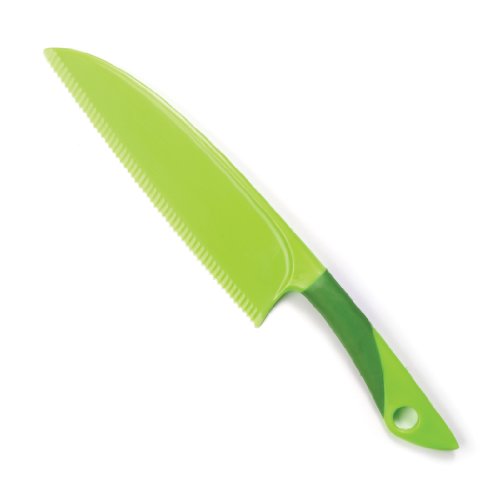
Non-slip, soft grip handle

Multi-Purpose Salad Chopper Scissors: Multi blade scissors effortlessly create fresh salads and meals, serving as an essential salad maker for consistent, quick meal prep and nice Valentines gifts for her.
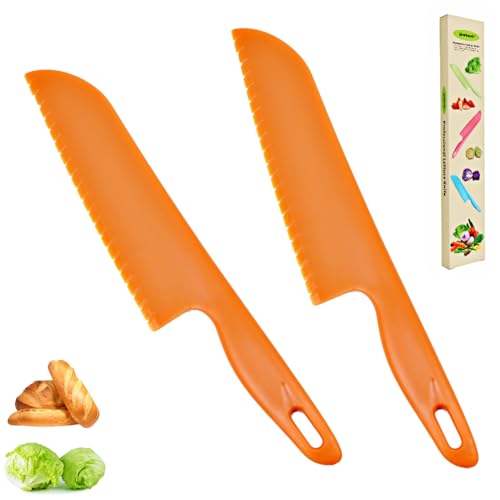
Lettuce Knife to Prevent From Turning Brown - This plastic knife is with wavy serrated edges, which can effectively cut various fruits and veggies, such as lettuce, cabbage, watermelon, cantaloupe, radish and etc.
Cut-and-Come-Again Method
The cut-and-come-again method encourages repeated growth after harvesting. This technique involves:
- Selecting the Right Varieties: Choose loose-leaf or butterhead lettuce, as these types thrive with this method.
- Harvesting Leaves: Trim only the outer leaves when they reach a desirable size. Aim for about one-third of the plant to maintain health.
- Allowing Center Growth: Keep the inner leaves intact to ensure continued growth. This area will produce fresh leaves after each cut.
Following this method not only provides fresh greens but also promotes healthy plants that can yield multiple harvests.
Timing Your Harvests
Timing plays a crucial role in securing numerous harvests from your lettuce. Focus on:
- Early Harvesting: Pick leaves when they’re young and tender, typically around 4 to 6 weeks after planting. Early harvesting encourages new growth.
- Regular Intervals: Space out your harvests every 7 to 10 days to allow for regrowth without stressing the plant.
- Monitoring Growth: Observe your plants for signs of maturity or slowing growth, and adjust your harvesting schedule accordingly.
By timing your harvests effectively, you maximize the number of times you can enjoy fresh lettuce from each planting.
Benefits of Repeated Harvesting
Repeated harvesting of lettuce offers several advantages that enhance your gardening experience and food supply.
Increased Yield
Increased yield occurs from harvesting multiple times from the same plant. Each lettuce plant can produce several batches of leaves, enabling you to gather fresh greens over an extended period. For instance, a loose-leaf variety may allow for up to five harvests if you trim just the outer leaves while leaving the inner leaves unharmed. This method maximizes production from limited space, allowing you to enjoy a continuous supply of fresh lettuce without the need for constant replanting.
Cost Efficiency
Cost efficiency arises from reduced expenses on seeds and plants. By repeatedly harvesting from existing plants, you minimize your need to purchase new seeds for each planting cycle. This efficiency enhances your overall gardening budget. You’ll also save on resources like soil amendments and fertilizer since well-maintained plants require less input over time. Plus, the ability to grow your own fresh lettuce leads to savings on grocery bills, especially if you enjoy organic varieties.
Challenges of Multiple Harvesting
Harvesting lettuce multiple times presents certain challenges. Understanding these obstacles can help you navigate the process more effectively.
Recommended Products

Defend Against Unwanted Visitors: Gardening is a rewarding and fulfilling endeavor, and you'll watch your plants grow from nothing to maturity before you finally harvest them. Once the plants begin to flower and bear fruit, these unwelcome visitors visit your garden and often leave a trail of destruction. Garden netting is the best choice for protecting your plants


Ultra-Fine Mesh Netting: Large Size 2 pack 8x24 Feet provide more security, Ultra Fine Garden Netting has a 0.04in ultra-fine mesh, It also allows sunlight | artificial light as well as air and rain to pass through. Light material, no burden for plant buds. Provide healthy growth environment for plants. Tip:(Not two packages, it's one package with two 8*24FT garden nets inside)
Pest Management
Managing pests becomes essential when you pursue multiple harvests of lettuce. You might encounter aphids, slugs, and caterpillars that thrive in moist environments. Regular inspections help identify infestations early. If you spot pests, consider these strategies:
- Introduce Beneficial Insects: Ladybugs and lacewings can naturally curb pest populations.
- Use Insecticidal Soap: This non-toxic option targets soft-bodied insects without harming your plants.
- Employ Row Covers: Installing lightweight fabric barriers protects young plants from pests while allowing light and moisture in.
Stay vigilant to minimize pest-related setbacks and maintain healthy plants for ongoing harvests.
Nutrient Depletion
Nutrient depletion poses a significant risk in repeated lettuce harvesting. As plants grow, they draw essential nutrients from the soil. To sustain multiple harvests, monitor soil health and replenish nutrients effectively. Consider these practices:
- Test Soil Regularly: Use a soil test kit to measure nutrient levels and pH balance.
- Apply Organic Fertilizers: Compost or well-rotted manure can enhance soil fertility without chemical additives.
- Practice Crop Rotation: Alternating crops each season can help restore soil nutrients and prevent depletion.
By staying proactive with soil management, you can support healthy, vigorous lettuce growth for multiple harvests.
Conclusion
You can definitely enjoy multiple lettuce harvests from a single planting with the right techniques and care. By choosing suitable varieties and employing methods like cut-and-come-again, you’ll maximize your yields and keep your salads fresh and exciting.
Don’t forget to monitor your plants for pests and maintain soil health to support ongoing growth. With a little effort, your garden can provide a continuous supply of delicious lettuce, making your gardening experience even more rewarding. So grab your gardening tools and get ready to enjoy those fresh greens!
Frequently Asked Questions
What is the cut-and-come-again method for harvesting lettuce?
The cut-and-come-again method involves selectively harvesting only the outer leaves of the lettuce plant while leaving the inner growth intact. This encourages the plant to continue producing new leaves, allowing multiple harvests from a single planting.
Which lettuce varieties are best for multiple harvests?
Loose-leaf lettuce, butterhead lettuce, and romaine lettuce are ideal for multiple harvests. These varieties can be selectively harvested, promoting continual leaf production and giving you more fresh greens from each planting.
How often can I harvest lettuce for maximum yield?
You can harvest lettuce every 7 to 10 days to maximize yield. Early harvesting of young leaves encourages further growth, allowing for multiple harvests—sometimes up to five times per planting, depending on the variety.
What are the benefits of multiple lettuce harvests?
The main benefits include increased yield, cost efficiency, and a continuous supply of fresh greens. By harvesting repeatedly from the same plant, you minimize seed costs and enjoy fresh lettuce without frequent replanting.
How can I manage pests when harvesting lettuce multiple times?
To manage pests like aphids and slugs, consider introducing beneficial insects, using insecticidal soap, and employing row covers. These strategies protect your lettuce while allowing for repeated harvesting, promoting better yields.
What should I do about nutrient depletion when growing lettuce?
To combat nutrient depletion, regularly test your soil and apply organic fertilizers as needed. Practicing crop rotation can also help maintain soil health, ensuring your lettuce plants receive the nutrients they need for successful growth.
