

Ever wondered how long it takes to grow that crisp, refreshing iceberg lettuce you love? If you’ve tried growing your own veggies, you know the excitement of watching them sprout. But timing can be tricky, especially when you’re eager to enjoy a fresh salad.
Key Takeaways
- Iceberg lettuce typically takes 70 to 85 days from seed to harvest, divided into four growth stages: germination, seedling, vegetative, and maturity.
- Ideal growing conditions include cool temperatures (60°F to 70°F), well-draining soil with a pH of 6.0 to 6.8, at least 6 hours of sunlight, and consistent soil moisture of about 1 inch per week.
- The germination period lasts approximately 7 to 14 days, requiring seeds to be planted ¼ to ½ inch deep in moist soil to encourage healthy sprouting.
- Soil quality and nutrients play a vital role in growth; incorporating organic matter and using balanced fertilizers can significantly enhance lettuce health and yield.
- Timing plantings for early spring or fall, practicing crop rotation, and maintaining clean garden areas are essential strategies for a successful iceberg lettuce crop.
Understanding Iceberg Lettuce Growth
Iceberg lettuce growth involves several stages. Knowing these stages helps you plan your gardening effectively.
Life Cycle of Iceberg Lettuce
The life cycle of iceberg lettuce consists of four main phases:
- Germination: Seeds sprout within 7 to 10 days in optimal conditions.
- Seedling Stage: Young plants develop for about 3 to 4 weeks, focusing on leaf growth.
- Vegetative Stage: Lettuce grows rapidly for 5 to 6 weeks, producing ample leaves.
- Maturity: The plant reaches full size and is ready for harvest, typically 70 to 85 days after planting.
Understanding these phases enables better timing for planting and harvesting.
Ideal Growing Conditions
Iceberg lettuce thrives under specific conditions:
- Temperature: It prefers cool weather, ideally between 60°F and 70°F. Extreme heat may cause bolting.
- Soil: Well-draining, nutrient-rich soil with a pH of 6.0 to 6.8 promotes healthy growth.
- Sunlight: It needs at least 6 hours of sunlight daily for optimal development.
- Watering: Consistent moisture is crucial. Aim for about 1 inch of water per week, adjusting for rainfall.
By meeting these conditions, you’ll boost your chances of a successful harvest.
Timeframe for Growing Iceberg Lettuce
Growing iceberg lettuce takes approximately 70 to 85 days from seed to harvest, making it a relatively quick vegetable to cultivate. Understanding each phase can help you plan your gardening efforts more effectively.
Recommended Products

Beautiful - Full color packet of Iceberg Lettuce Seed (Lactuca sativa). Popular crisphead lettuce with mild, sweet taste, crisp texture, and pale green leaves. Produces a cabbage-like head of lettuce you’ll want to harvest all at once. Makes a delicious base for salad. Enjoy successive crops and fresh produce through multiple seasons, ensuring your kitchen is always stocked with delectable leafy greens without any off-season gaps. Minimum of 600mg per packet (about 340 seeds).

The Best Value - Organo Republic Lettuce Iceberg Seeds Pack contains 3g or 3,100 Non-GMO heirloom lettuce seeds. Iceberg Lettuce (Lactuca sativa var. capitata) is known for its crisp texture and mild flavor, making it the perfect addition to fresh vegetable salads or culinary creations.
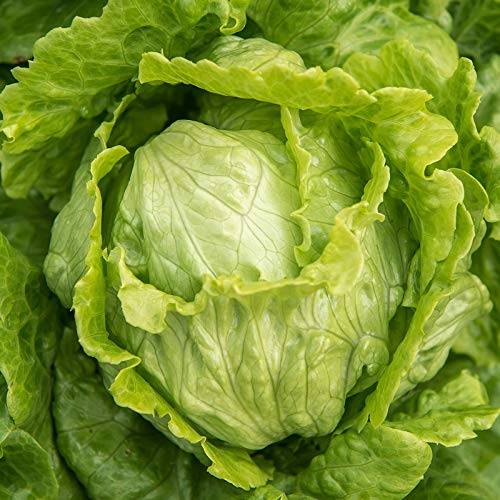
Crisphead lettuce offer greens with a nice toothy, snap and sweet flavor that complements any dressing.
Seed Germination Period
The seed germination period lasts about 7 to 14 days. You’ll need to plant seeds about ¼ to ½ inch deep in moist soil. Provide consistent moisture and keep the soil temperature around 65°F to 75°F for optimal germination. If conditions are too cold or dry, germination may be delayed.
- Seedling Stage: After germination, seedlings emerge and grow for about 3 to 4 weeks. Ensure they receive adequate sunlight and water, usually around 1 to 2 inches per week. Thin seedlings to 6 to 12 inches apart.
- Vegetative Stage: This stage lasts for 4 to 6 weeks. During this time, you’ll notice rapid leaf development. Fertilize with a balanced fertilizer every few weeks to promote growth. Consistent watering keeps plants healthy.
- Maturity: The final stage takes around 3 to 4 weeks. Cabbage heads begin to form during this time. Monitor closely for signs of firmness, indicating readiness for harvest. Harvest before heads crack or split for best quality.
Understanding these phases of growth helps ensure you cultivate crisp, fresh iceberg lettuce.
Factors Influencing Growth Time
Several factors influence how long it takes to grow iceberg lettuce from seed to harvest. Understanding these variables can help you manage expectations and grow the best possible crop.
Climate and Weather Conditions
Climate plays a crucial role in the growth of iceberg lettuce. Ideal temperatures range from 60°F to 70°F. Extreme heat causes bolting, making the plant go to seed prematurely, while cold temperatures below 50°F can slow growth.
For example, in regions with mild summers, you can plant in the early spring and enjoy a second crop in the fall. In hotter climates, consider planting in the cooler months or providing shade during heatwaves to support healthy growth.
Soil Quality and Nutrients
Soil quality directly affects lettuce growth. Well-drained, nutrient-rich soil promotes faster growth. Aim for soil with a pH between 6.0 and 7.0. Incorporating organic matter, like compost, enhances soil structure and increases nutrient availability.
Use a balanced fertilizer containing nitrogen, phosphorus, and potassium during the vegetative stage to support leaf development. Regular soil tests can determine nutrient levels, helping you adjust accordingly. For healthy growth, ensure your soil retains moisture without becoming waterlogged.
Tips for Successful Iceberg Lettuce Cultivation
Growing iceberg lettuce requires attention to detail. Following specific tips can enhance your chances of a successful harvest.
Recommended Products

【Upgraded Tube Design & Water Saving】 Our adjustable garden watering system is upgraded to 1/2” diameter to support high water pressure. The 1/2” tee connector in the package so you can easily set up 2 drip irrigation systems as needed. Garden watering systems minimize stage water loss by recharging water directly to plant roots. While traditional irrigation often results in wasted water, this drip irrigation system saves up to 70% of water, no need for manual watering, saves water.

Be a Gardening Master with the help of our superior and complete Drip Irrigation Kit: 10 Drip Irrigation Emitters Vortex + 20 Drip Emitters Spray + 50ft flexible & durable 5/16 irrigation tubing + 50ft 1/4 inch Drip Irrigation Tubing + 12 tubing coupler + 5 ¼ Tubing Tee Splitter + Tubing End Plugs + Water Connector + 1 x Complete Instructions Guide Hard Copy + 2 Grow your Own Vegetables & Fruits Guide full with pieces of advice and practical tips Digital Format.
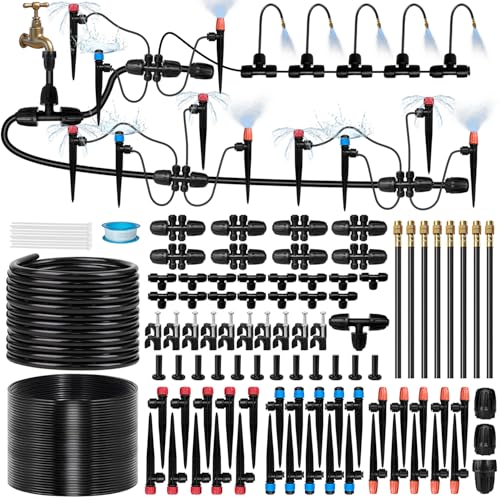
【Upgraded Tube Design & Water Saving】 Our garden watering system is upgraded to 1/2” diameter to support high water pressure. The 1/2” tee connector allows seamless splitting into 2 independent zones for customized watering schedules. By delivering moisture directly to root zones, this drip Irrigation system significantly reduces evaporation and runoff—saving more water compared to conventional sprinklers while eliminating the need for manual watering.
Planting Techniques
- Choose the Right Time: Plant iceberg lettuce in early spring or fall. These seasons provide mild temperatures, ideal for robust growth.
- Prepare the Soil: Test soil pH, aiming for 6.0 to 7.0. Mix in compost or well-rotted manure to improve soil structure and nutrients.
- Plant Seeds Properly: Sow seeds ¼ to ½ inch deep in moist soil. Space seeds or seedlings 12 to 18 inches apart to promote air circulation and light.
- Water Wisely: Keep soil consistently moist but not soggy. Drip irrigation works well, minimizing water on leaves to reduce disease risk.
- Monitor Regularly: Inspect your plants for signs of pests like aphids or slugs. Discover issues early for effective treatment.
- Use Natural Solutions: Introduce beneficial insects, such as ladybugs, to combat pests. Neem oil and insecticidal soap also deter common invaders.
- Practice Crop Rotation: Avoid planting lettuce in the same location year after year. Rotating crops helps prevent soil-borne diseases from accumulating.
- Maintain Cleanliness: Clear away debris around your garden. Sanitation reduces habitat for pests and minimizes disease risk.
Following these tips ensures healthier plants and a bountiful harvest of crisp iceberg lettuce.
Conclusion
Growing iceberg lettuce can be a rewarding experience that adds freshness to your meals. With a bit of patience and the right conditions you can enjoy a bountiful harvest in about 70 to 85 days.
By understanding each growth phase and the factors that influence development you’ll set yourself up for success. Remember to keep an eye on the weather and ensure your soil is nutrient-rich.
With these tips in mind you’re well on your way to cultivating crisp and delicious iceberg lettuce right in your own garden. Happy gardening!
Frequently Asked Questions
What is the growth cycle of iceberg lettuce?
The growth cycle of iceberg lettuce includes four main phases: germination (7-14 days), seedling stage (3-4 weeks), vegetative stage (4-6 weeks), and maturity (3-4 weeks), totaling 70-85 days from seed to harvest.
What are the ideal conditions for growing iceberg lettuce?
Iceberg lettuce thrives in temperatures between 60°F and 70°F, in well-drained, nutrient-rich soil with a pH of 6.0 to 7.0. It requires ample sunlight, consistent watering, and should be planted in early spring or fall for the best results.
How deep should you plant iceberg lettuce seeds?
Plant iceberg lettuce seeds about ¼ to ½ inch deep in moist soil to facilitate proper germination and growth.
How do I care for iceberg lettuce during the growing phases?
During the seedling stage, provide adequate sunlight and water. In the vegetative stage, ensure regular fertilization and consistent watering. Monitor for pests and diseases throughout all stages for healthy growth.
How can I improve the soil for growing iceberg lettuce?
To enhance soil quality, test the pH and mix in compost or organic matter to maintain nutrient levels. Regular soil tests can help manage nutrient needs for optimal growth.
What common factors can affect iceberg lettuce growth?
Factors affecting growth include climate, temperature extremes, soil quality, and nutrient availability. Too much heat may cause bolting, while cold can slow growth.
When should I harvest iceberg lettuce?
Harvest iceberg lettuce when the heads are firm and full but before they begin to crack or split, typically during the maturity phase, which lasts 3-4 weeks after the vegetative stage.
