

Have you ever wondered if you’re giving your lettuce the right amount of water? It’s a common challenge for gardeners, whether you’re growing it in your backyard or on your windowsill. Too much or too little can lead to wilted leaves or even a poor harvest.
Key Takeaways
- Lettuce Watering Needs: Understanding the watering requirements of lettuce is essential, influenced by factors such as climate, soil type, growth stage, sun exposure, and plant density.
- Variety-Specific Care: Different lettuce varieties have unique watering needs—Butterhead benefits from consistent moisture, while Romaine thrives with weekly deep watering.
- Soil Moisture Assessment: Regularly checking soil moisture levels can prevent both underwatering and overwatering; use your finger or a soil moisture meter to gauge dryness.
- Efficient Watering Techniques: Implementing methods like drip irrigation, soaker hoses, morning watering, and mulching can optimize moisture delivery and water retention.
- Signs of Water Stress: Recognizing symptoms of underwatering (wilting, dry soil) and overwatering (yellowing leaves, soggy soil) helps in adjusting watering practices for healthier crops.
- Responsive Care: Adjust your watering frequency based on observed conditions, plant health, and external weather factors to ensure optimal growth and harvest quality.
Understanding Lettuce Watering Needs
Lettuce requires careful attention to watering. You must consider various factors to ensure healthy growth and avoid issues like wilting or root rot.
Factors Influencing Watering Requirements
- Climate: Hotter weather increases evaporation, so lettuce needs more water. In cooler, humid conditions, water needs decrease.
- Soil Type: Sandy soil drains quickly, requiring more frequent watering. Clay soil retains moisture, allowing for less frequent watering.
- Growth Stage: Young seedlings need more consistent moisture, while mature plants can tolerate slight drying.
- Sun Exposure: Lettuce in full sun dries out faster and requires more frequent watering. Shade can reduce the need for water.
- Plant Density: Closely spaced plants compete for water. If planting tightly, ensure adequate watering to support all plants.
- Butterhead Lettuce: This variety benefits from consistent moisture, ideally watered every 2-3 days.
- Romaine Lettuce: Romains thrive with slightly less water but still need weekly deep watering for strong roots.
- Leaf Lettuce: These varieties prefer moist soil and should be watered every 1-2 days, especially in warmer conditions.
- Crisphead Lettuce: Watering 1-2 inches per week is ideal, but adjust based on rainfall and temperature.
- Asian Greens: Varieties like Mizuna or Tatsoi require regular watering but are more forgiving of slight drought.
By understanding these factors and variety-specific needs, you can effectively manage your lettuce watering schedule and encourage thriving plants.
Best Practices for Watering Lettuce
Watering lettuce effectively ensures healthy growth. By following best practices, you manage to provide the right amount of moisture without overwatering.
Assessing Soil Moisture Levels
Check soil moisture regularly. Insert your finger about an inch deep into the soil; if it feels dry, it’s time to water. Use a soil moisture meter for accuracy, which offers precise readings. For optimal growth, maintain soil moisture at a consistent level. Too much moisture can lead to root rot, while too little causes wilting.
Techniques for Efficient Watering
Employ the following techniques to water lettuce efficiently:
- Drip Irrigation: Install a drip irrigation system for slow and steady watering. This method minimizes water waste and delivers moisture directly to the roots.
- Soaker Hoses: Lay soaker hoses along the base of plants. Soaker hoses release water gradually, saturating the soil evenly.
- Morning Watering: Water in the early morning when temperatures are cooler. This approach reduces evaporation and allows leaves to dry, minimizing disease risk.
- Mulching: Apply a layer of mulch around plants. Mulch retains moisture, reduces weed growth, and keeps soil temperature stable.
By implementing these techniques, you optimize your watering routine, ensuring your lettuce plants thrive.
Signs of Underwatering and Overwatering
Recognizing the signs of underwatering and overwatering in lettuce ensures you provide the right care, leading to healthier plants and better harvests.
Recommended Products
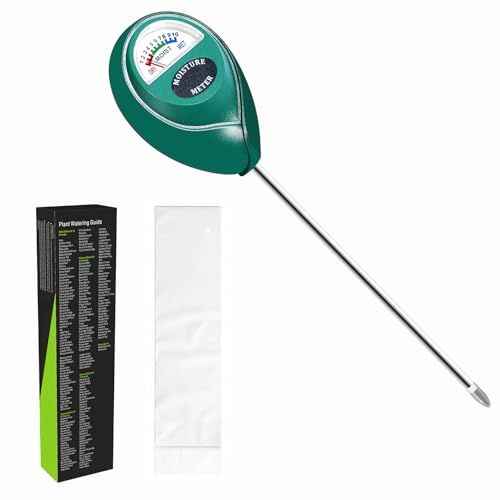
Trusted Since 2015: Become one of the many plant lovers who rely on the proven accuracy of XLUX. Established in 2015, our soil moisture meter has earned over 60,000+ verified ratings for its consistent performance. While many many newer brands come and go, we provide the long-term reliability and quality that American households have trusted for over a decade.

Accurate Soil Moisture Detection: The XLUX Soil Moisture Meter can tell you if the soil deep inside your pot or garden is dry, moist or wet; whereas your eyes and fingers can only determine the moisture level of the soil surface. The probe is 5.5 inches (14 cm) longer than regular styles, allowing it to measure the soil moisture at the bottom of larger and deeper flower pots.
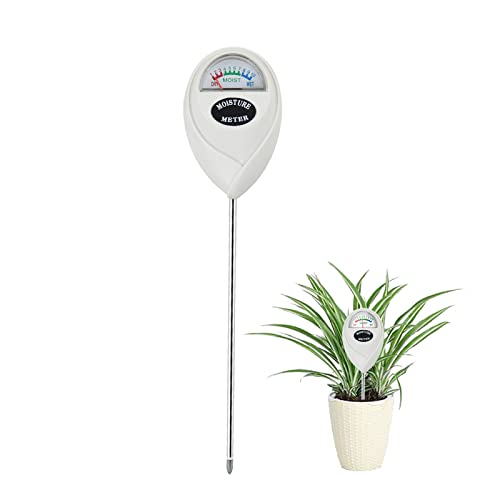
【SAVE YOUR PLANTS】: Over watering can cause problems with your plants or even kill them. This soil moisture meter helps you know the soil is dry, moist or wet.No more over watering!
Identifying Water Stress in Lettuce
- Underwatering Symptoms: You might notice wilting leaves, dry soil, and a generally stressed appearance in your lettuce. Leaves may also turn brown and crispy at the edges. If plants bolt or produce fewer leaves, insufficient water could be the cause.
- Overwatering Symptoms: You can identify overwatering through yellowing leaves, particularly at the base. Soil may appear soggy, and roots can start to rot, leading to stunted growth. Fungal issues, such as downy mildew, may also arise from excess moisture.
- For Underwatering: Increase watering frequency, ensuring the soil remains consistently moist. Apply a layer of mulch to help retain moisture. Consider using drip irrigation systems for a steady supply of water.
- For Overwatering: Allow the soil to dry out before watering again. Check drainage holes in containers or garden beds to ensure they’re not clogged. Avoid watering during periods of heavy rain, and consider adjusting your watering schedule based on weather conditions.
Conclusion
Getting your lettuce watering just right can make all the difference in your garden. By paying attention to the unique needs of your lettuce varieties and the conditions they’re growing in, you can help them thrive. Regularly checking soil moisture and using efficient watering techniques will keep your plants happy and healthy.
Remember to look for those signs of stress—whether it’s wilting leaves or yellowing foliage—to adjust your watering habits accordingly. With a little care and attention, you’ll enjoy a bountiful harvest of delicious lettuce that adds freshness to your meals. Happy gardening!
Frequently Asked Questions
What factors influence lettuce watering needs?
The watering needs of lettuce are influenced by several factors, including climate, soil type, growth stage, sun exposure, and plant density. Each of these aspects plays a crucial role in determining how much water is required for optimal growth and yield.
How often should I water Butterhead lettuce?
Butterhead lettuce requires consistent moisture to thrive. Aim to keep the soil evenly damp, checking regularly to ensure it doesn’t dry out, particularly during warm weather.
What about Romaine lettuce watering?
Romaine lettuce thrives with slightly less water compared to other types. Water it when the top inch of soil feels dry, typically needing around 1-1.5 inches of water per week.
How do I know if my lettuce is underwatered?
Signs of underwatering include wilting leaves, brown edges, and dry soil. If you notice these symptoms, increase your watering frequency to restore moisture.
What are the signs of overwatering lettuce?
Overwatering symptoms include yellowing leaves, soggy soil, and root rot. If your lettuce shows these signs, allow the soil to dry out and improve drainage.
What is the best time to water lettuce?
Watering in the early morning is ideal for lettuce as it reduces evaporation and allows moisture to reach the roots effectively throughout the day.
How can mulch help my lettuce plants?
Applying mulch helps to retain soil moisture, stabilize soil temperature, and reduce weed growth. This is particularly beneficial for lettuce, which needs consistent moisture levels.
What watering methods do you recommend for lettuce?
For effective watering, consider using drip irrigation systems for slow moisture delivery, soaker hoses for even saturation, and regularly assessing soil moisture with finger tests or moisture meters.
